
 English
 Español
 عربى
عربى


Double-Edged Threading Dies
Specialized Compatibility: Exclusively designed for intelligent threading machines, the dies feature a high precision-machined structure that perfectl...
See Details
Content
Metal cold cutting saw is specialized tools designed to cut metal without generating significant heat, preserving material integrity and ensuring precision. Unlike traditional cutting methods, these saws minimize heat-affected zones, reducing the risk of warping or metal discoloration. They are widely used in industries such as metal fabrication, automotive, and construction where precise cuts are essential.
These saws typically operate using a circular blade or bandsaw mechanism combined with a coolant system that keeps both the blade and the metal workpiece at a low temperature. The result is a clean, burr-free edge that often requires minimal post-processing.
Circular cold saws are commonly used for cutting round bars, pipes, and structural shapes. They feature a toothed circular blade that spins at low speed, using the cutting teeth to shear metal rather than melt it. The saws are known for producing accurate cuts and smooth finishes.
Bandsaw cold saws use a continuous loop blade to cut metal. They are especially effective for long or irregularly shaped pieces. Bandsaw blades typically have fine teeth that allow slow, controlled cutting, reducing vibration and maintaining cut accuracy.
Selecting the appropriate cold cutting saw depends on several factors including material type, thickness, and desired cut quality. Steel, aluminum, and brass may require different blade compositions and tooth geometries. High-speed steel (HSS) and tungsten carbide blades are popular choices for durability and precise cutting performance.
Below is a comparison table to help identify the suitable saw type for common metal cutting tasks:
| Metal Type | Recommended Saw | Blade Type |
| Carbon Steel | Circular Cold Saw | HSS or Carbide-tipped |
| Aluminum | Bandsaw Cold Saw | Carbide-tipped |
| Stainless Steel | Circular Cold Saw | Carbide-tipped |
Proper operation is critical for both safety and optimal results. Operators should wear protective equipment including gloves, safety glasses, and hearing protection. Securing the workpiece with a vise or clamp prevents movement during cutting.
A step-by-step approach to operating a circular cold saw includes:
Regular maintenance extends the lifespan of your saw and ensures consistent cutting performance. Key maintenance practices include:
Achieving efficient cuts requires attention to feed rate, blade selection, and cooling methods. Overfeeding can cause blade wear or breakage, while underfeeding slows production. Using the correct tooth geometry for the metal being cut ensures smooth operation and reduces the need for secondary finishing.
Additionally, maintaining a clean workspace and properly positioning the workpiece reduces the risk of errors and improves overall efficiency. For production environments, investing in automated or semi-automated cold saws can further enhance consistency and throughput.
Metal cold cutting saws are indispensable tools for precise, heat-free metal cutting. Understanding the types of saws, selecting the appropriate blade, adhering to safe operating procedures, and performing regular maintenance are essential for optimal performance. By applying these practical guidelines, operators can achieve accurate, clean cuts while extending the life of their equipment.
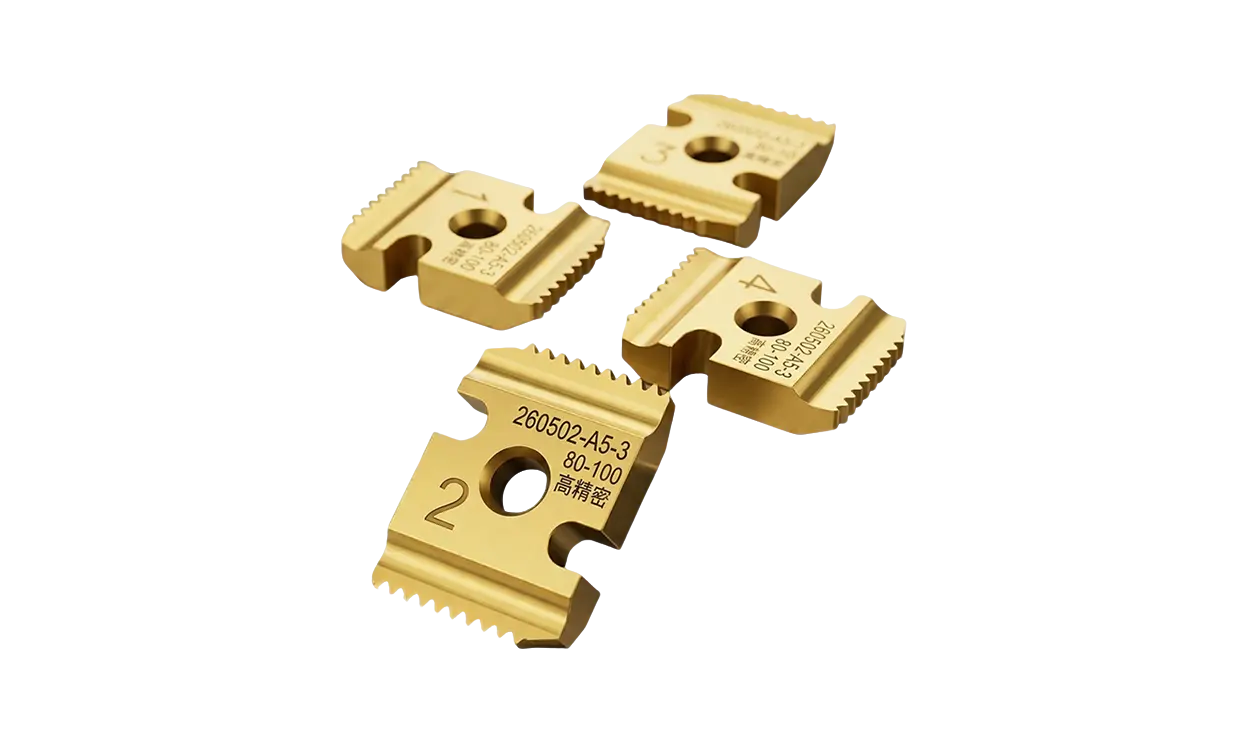
Specialized Compatibility: Exclusively designed for intelligent threading machines, the dies feature a high precision-machined structure that perfectl...
See Details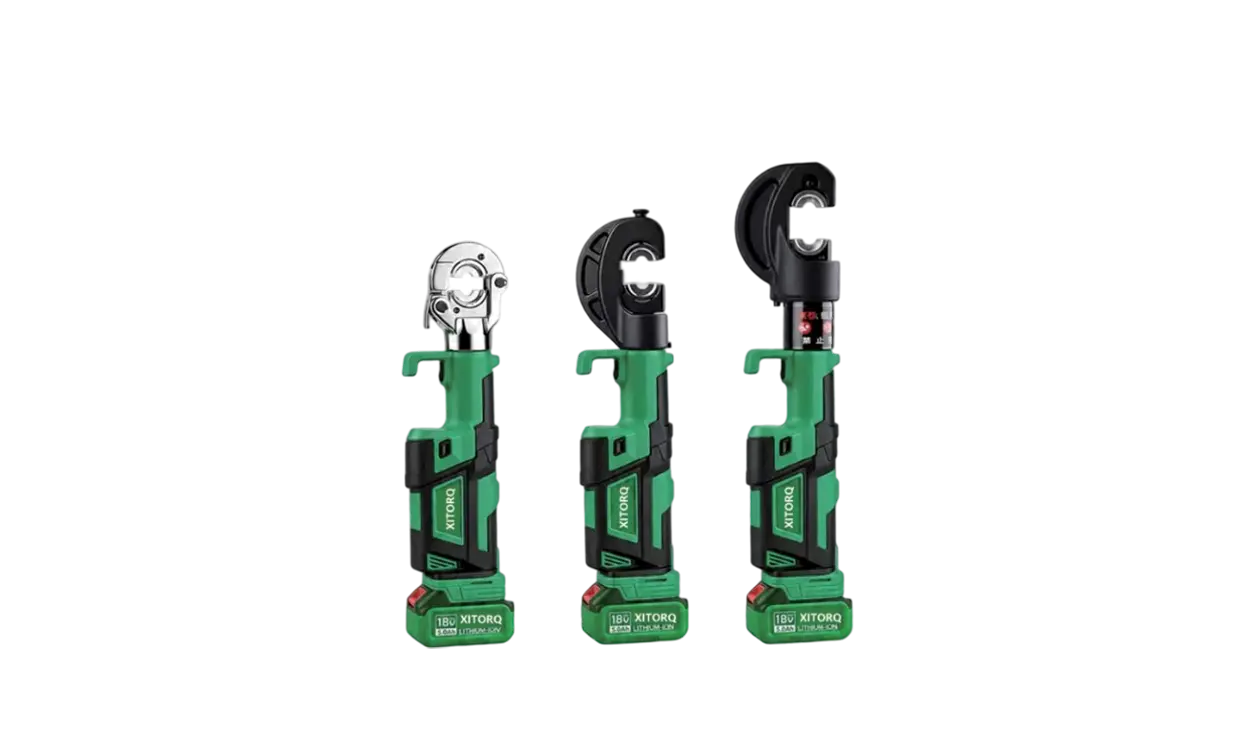
This 18V lithium-ion hydraulic crimping tool is a portable hydraulic tool designed for cable terminal crimping. It features a brushless lithium-ion po...
See Details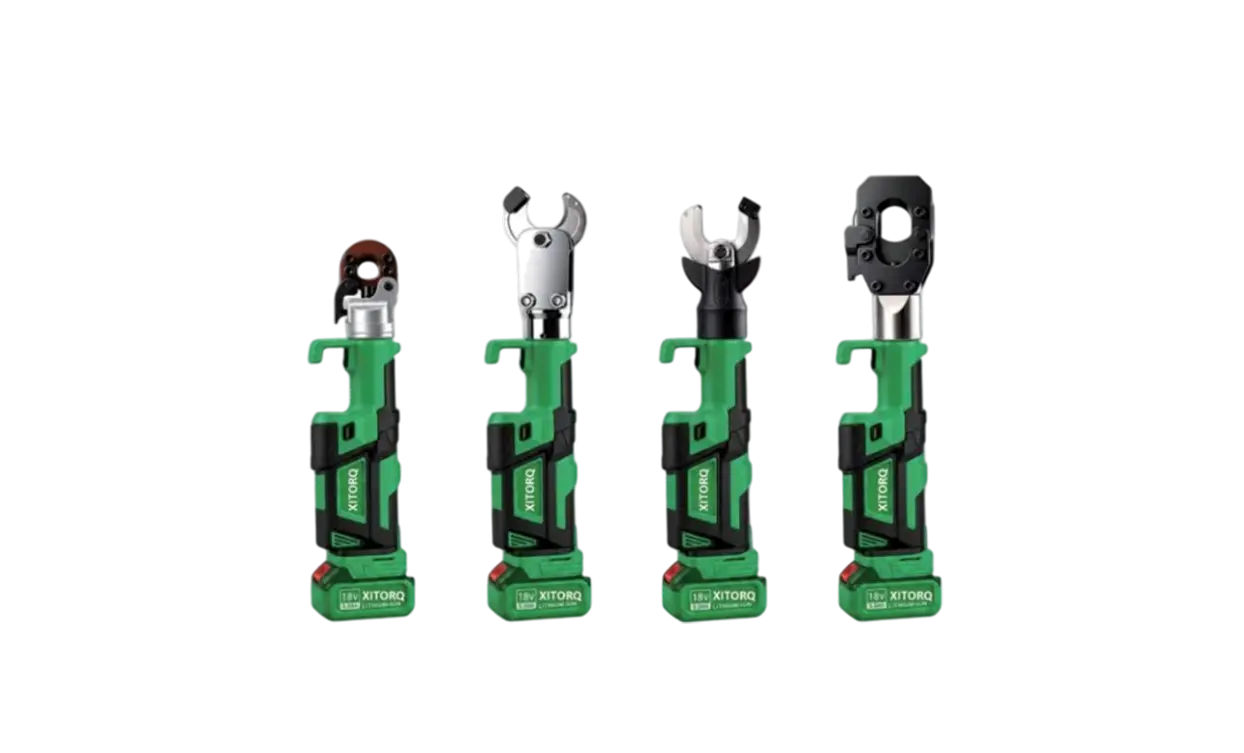
This 18V lithium-ion industrial cable cutter is a professional tool designed for large-diameter cable cutting. It features a brushless lithium-ion pow...
See Details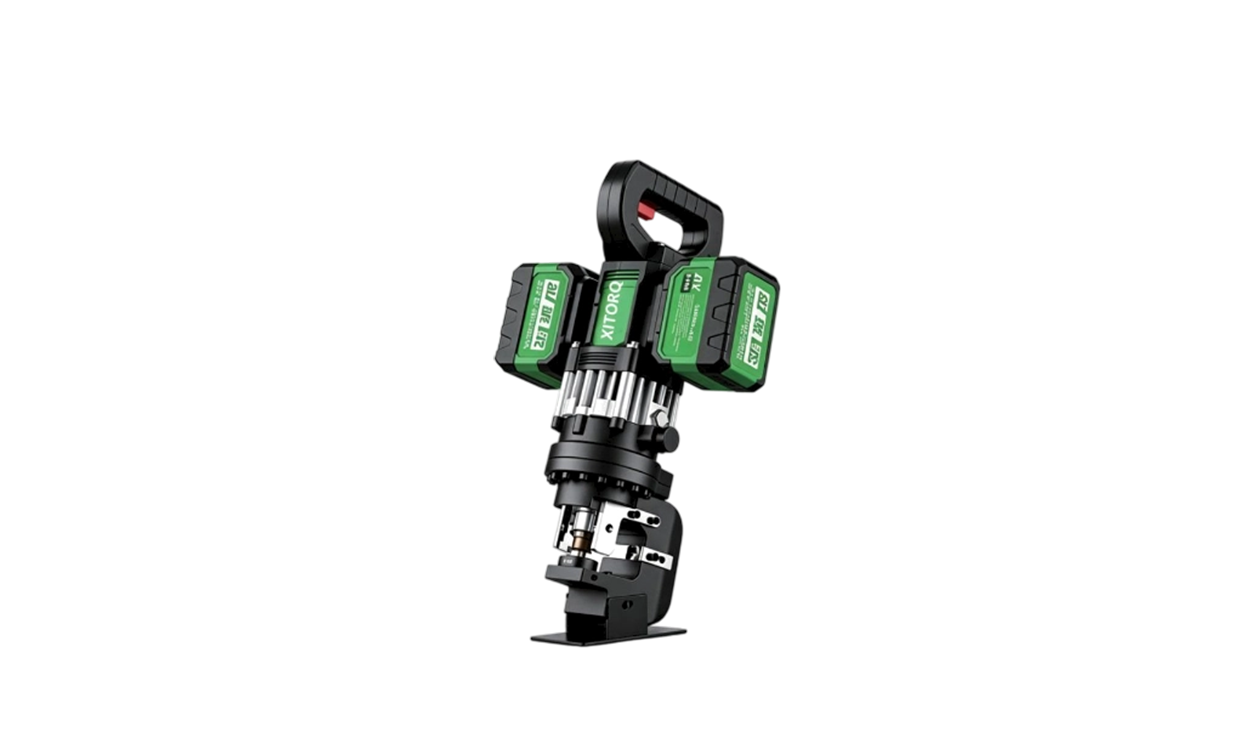
This 21V lithium-ion channel steel hole puncher is a portable hydraulic punching tool designed for punching holes in channel steel, angle steel, steel...
See Details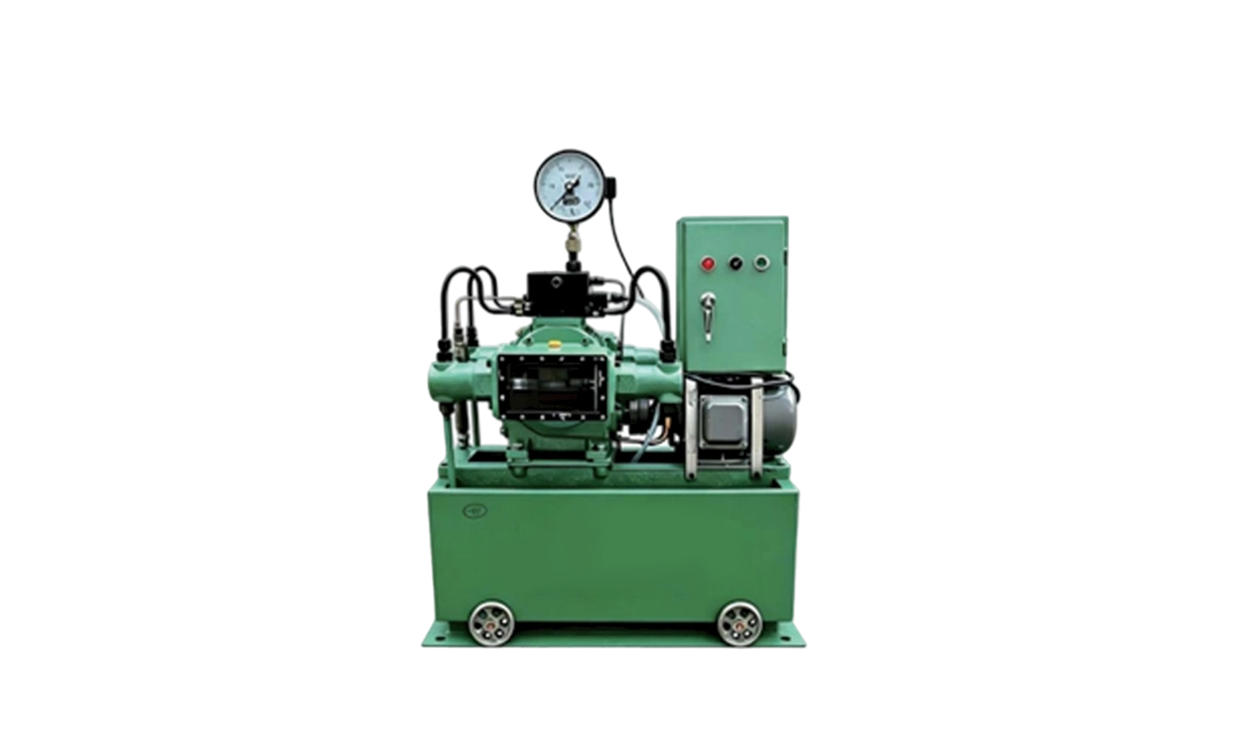
This 380V electric pressure test pump is a professional device designed for hydrostatic pressure testing and leak detection of pipes, valves, pressure...
See Details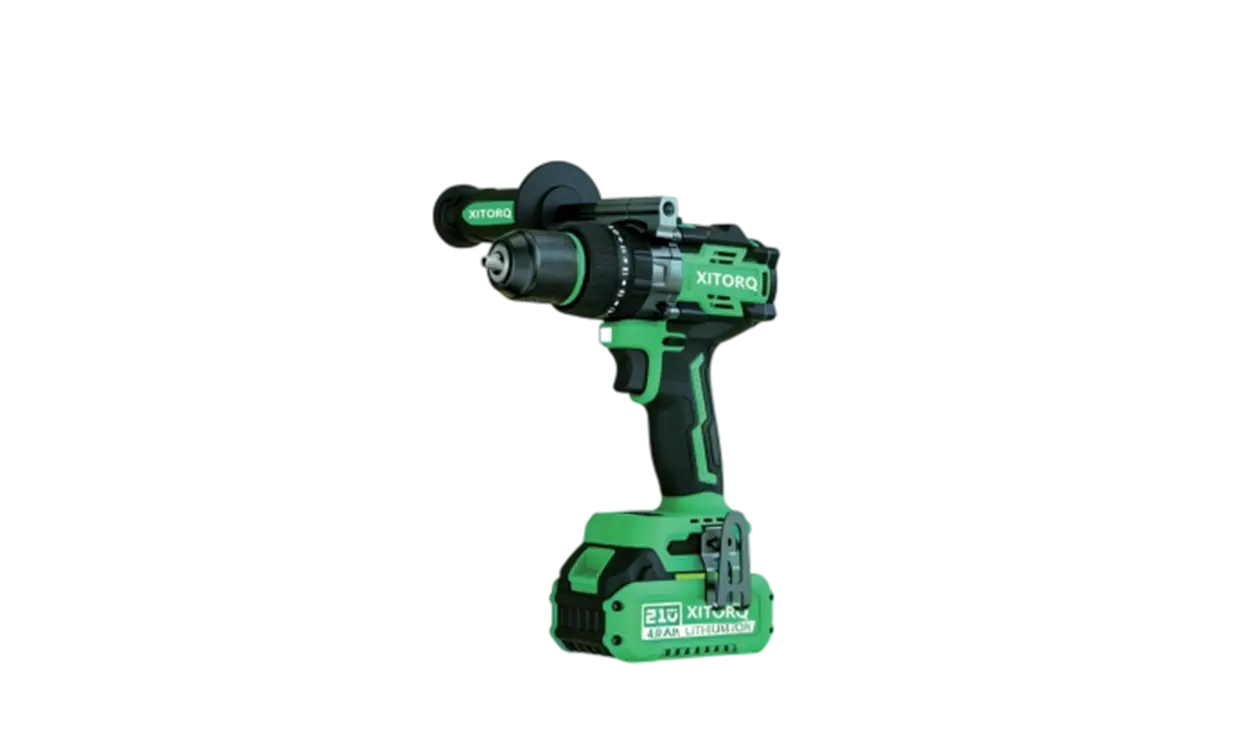
The XJ.615 21V lithium-ion brushless hammer drill/driver is a dual-purpose cordless drill from the Xiaojia brand. Powered by a 21V battery pack for co...
See Details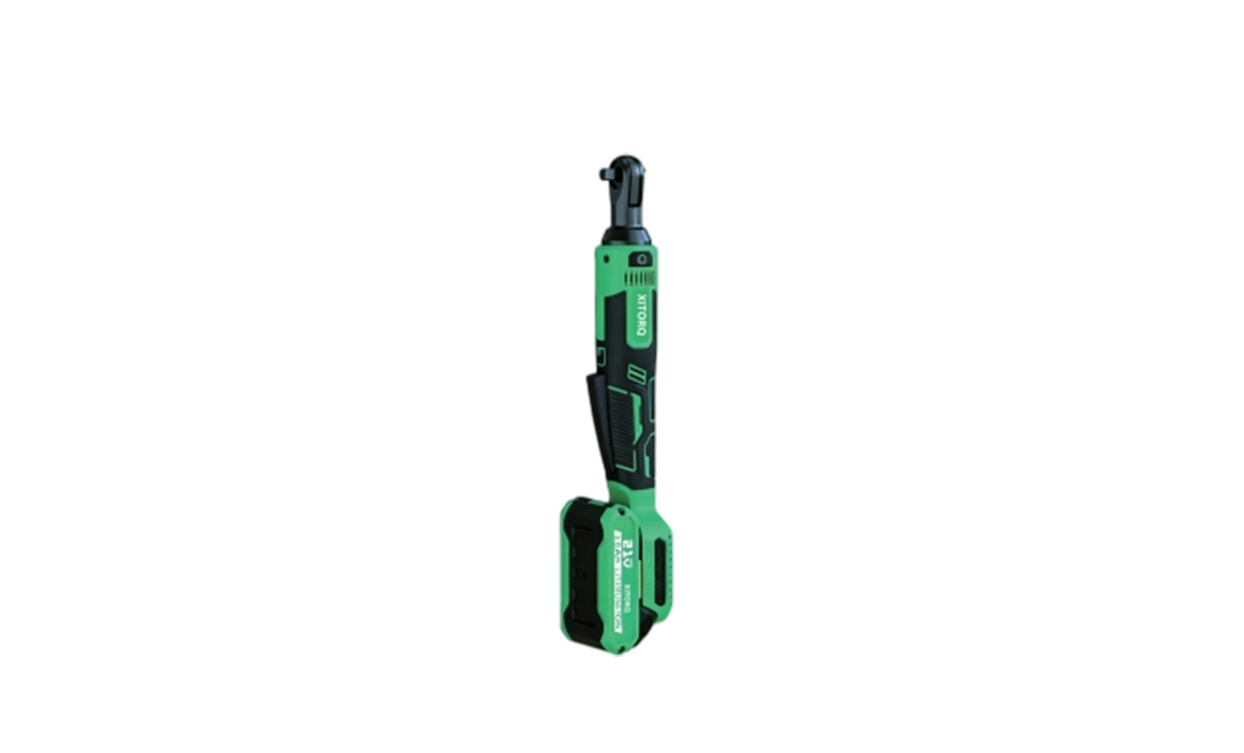
The XJ.592 16V brushless angle ratchet wrench is a compact industrial-grade ratchet from the Xiaojia brand. Equipped with a 16V brushless motor and an...
See Details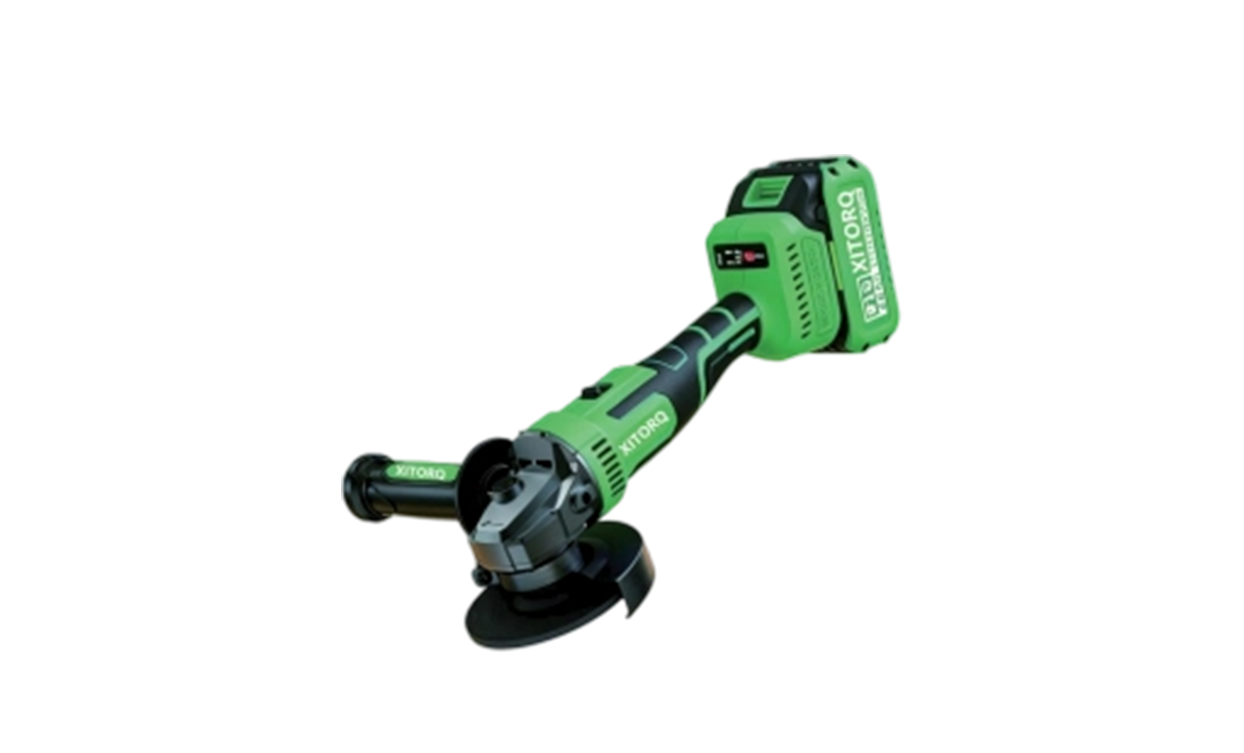
The XJ.908 21V lithium-ion high-magnetic brushless angle grinder is an industrial-grade grinder from the Xiaojia brand. Featuring a high-magnetic brus...
See Details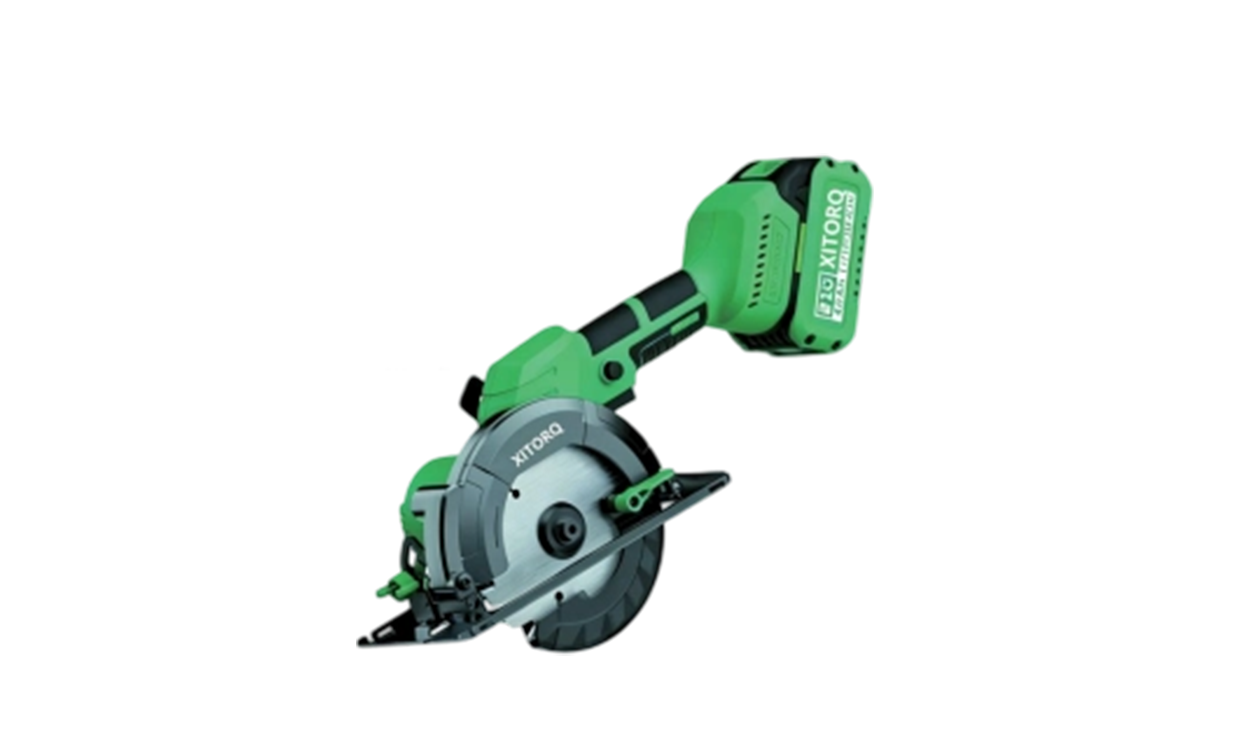
The XJ.853 21V lithium-ion high-magnetic brushless circular saw is an industrial-grade handheld circular saw from the Xiaojia brand. Featuring a high-...
See Details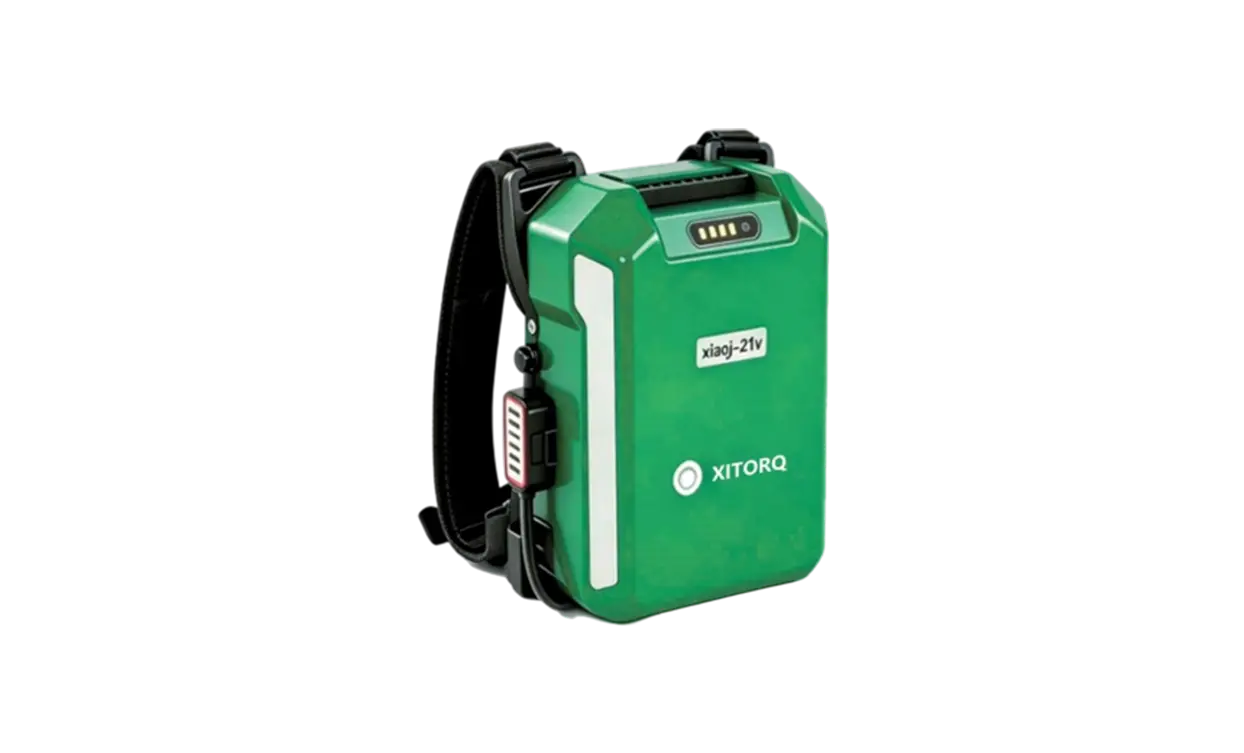
This backpack lithium battery pack is a large-capacity portable power supply designed for extended continuous operation of power tools. Using high-rat...
See Details
Copyright © by Hangzhou Xinabo Intelligent Electromechanical Technology Co., Ltd Rights Reserved. Pipe Threaders Manufacturers
