
 English
 Español
 عربى
عربى


Intelligent Threading Machine
1. Automatically identify the pipe diameter 2. Automatic tool adjustment and setting 3. Pipe Processing Range: DN15–DN100 4. Threading time as fast ...
See Details
Content
Intelligent Pipe Twisting Machine is advanced devices designed for precise twisting and shaping of pipes in industrial and construction applications. Unlike conventional manual or semi-automatic pipe benders, these machines integrate smart controls, automated feedback systems, and programmable operation sequences to enhance accuracy and efficiency. They are increasingly used in industries such as HVAC, automotive, shipbuilding, and metal fabrication.
Understanding the core components of an Intelligent Pipe Twisting Machine is essential for optimizing its use. These components work together to deliver consistent results while reducing operator effort.
The servo motor provides precise control of pipe rotation and twisting speed. Coupled with an advanced drive system, it ensures smooth torque application, minimizing deformation and maintaining consistent pipe geometry.
The control panel allows operators to program specific twist angles, speeds, and sequences. Modern models include touchscreen interfaces, automated error detection, and memory functions for recurring tasks.
Secure clamping is critical to prevent slippage during twisting. Intelligent machines often feature adjustable clamps and guide rollers to accommodate various pipe diameters and wall thicknesses, ensuring consistent bends without damaging the material.
Intelligent Pipe Twisting Machines have versatile applications across multiple industries. Their ability to deliver precise, repeatable twists makes them indispensable in environments where quality and efficiency are paramount.
In heating, ventilation, and air conditioning systems, pipe twists are often required for complex duct and piping layouts. Intelligent machines reduce manual labor and ensure that bends fit within confined spaces without compromising flow efficiency.
Automotive exhaust lines, hydraulic systems, and aerospace tubing demand high precision. The programmable nature of intelligent twisting machines ensures uniformity across large production volumes, reducing waste and improving assembly accuracy.
Proper operation of an Intelligent Pipe Twisting Machine enhances performance, extends machine life, and ensures safety. Several techniques can be employed to maximize results.
Ensure pipes are clean, free of burrs, and within recommended diameter ranges. Accurate measurement of pipe length and marking the twist points reduces errors during automated twisting.
Adjust the speed and torque according to pipe material and wall thickness. Metals like stainless steel require slower speeds and higher torque, while softer materials like aluminum can be twisted at faster rates without deformation.
Use the machine’s built-in sensors to monitor bending angles and torque in real-time. Immediate adjustments prevent errors and reduce scrap rates.
Regular maintenance ensures that the machine operates reliably and safely. Preventive measures and timely troubleshooting reduce downtime and repair costs.
Operators may encounter problems such as inconsistent twisting, pipe slippage, or sensor errors. Addressing these typically involves recalibrating the machine, replacing worn clamps, or resetting the control system.
The following table compares traditional manual twisting, semi-automatic bending, and intelligent pipe twisting machines in terms of efficiency, accuracy, and suitability for industrial use.
| Method | Accuracy | Production Speed | Material Compatibility |
| Manual Twisting | Moderate | Low | Soft Metals Only |
| Semi-Automatic Bending | High | Moderate | Most Metals |
| Intelligent Pipe Twisting | Very High | High | All Common Industrial Metals |
Intelligent Pipe Twisting Machines represent a significant advancement in industrial pipe fabrication. By combining precision, automation, and adaptive control, these machines enhance productivity while minimizing material waste. Proper operation, regular maintenance, and understanding the core components ensure that businesses can fully leverage their benefits in various applications.
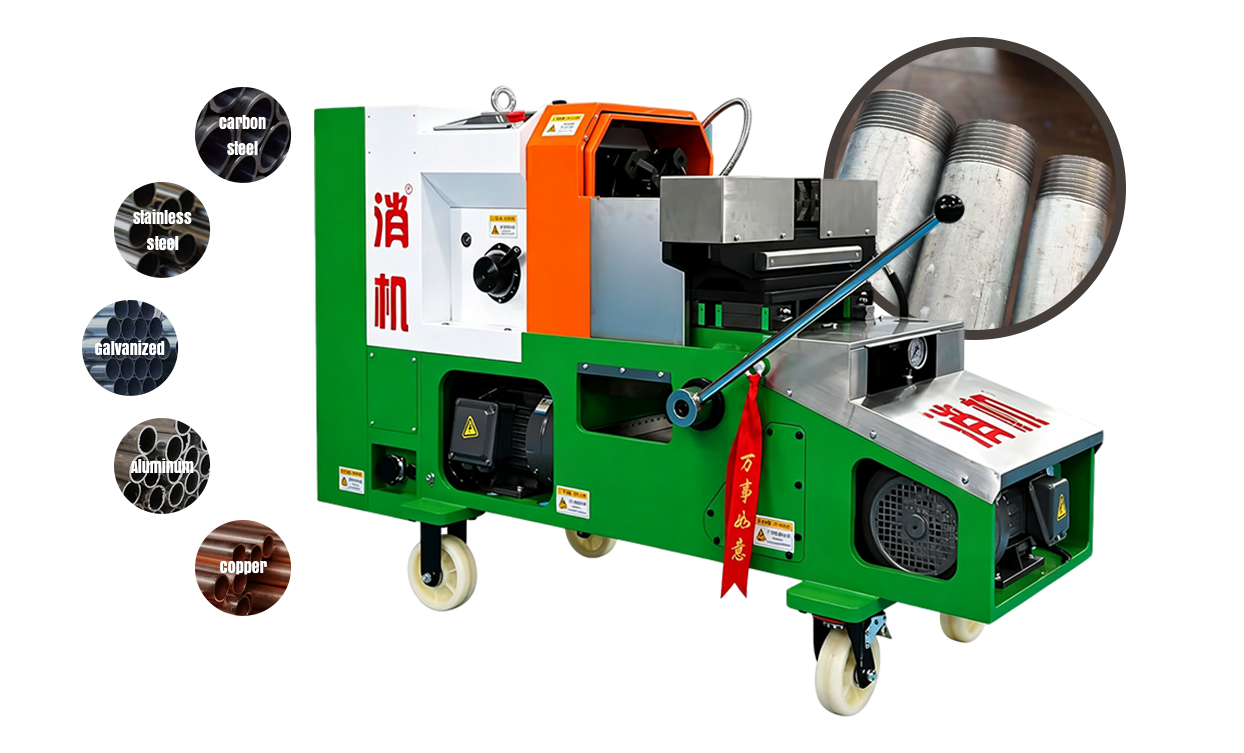
1. Automatically identify the pipe diameter 2. Automatic tool adjustment and setting 3. Pipe Processing Range: DN15–DN100 4. Threading time as fast ...
See Details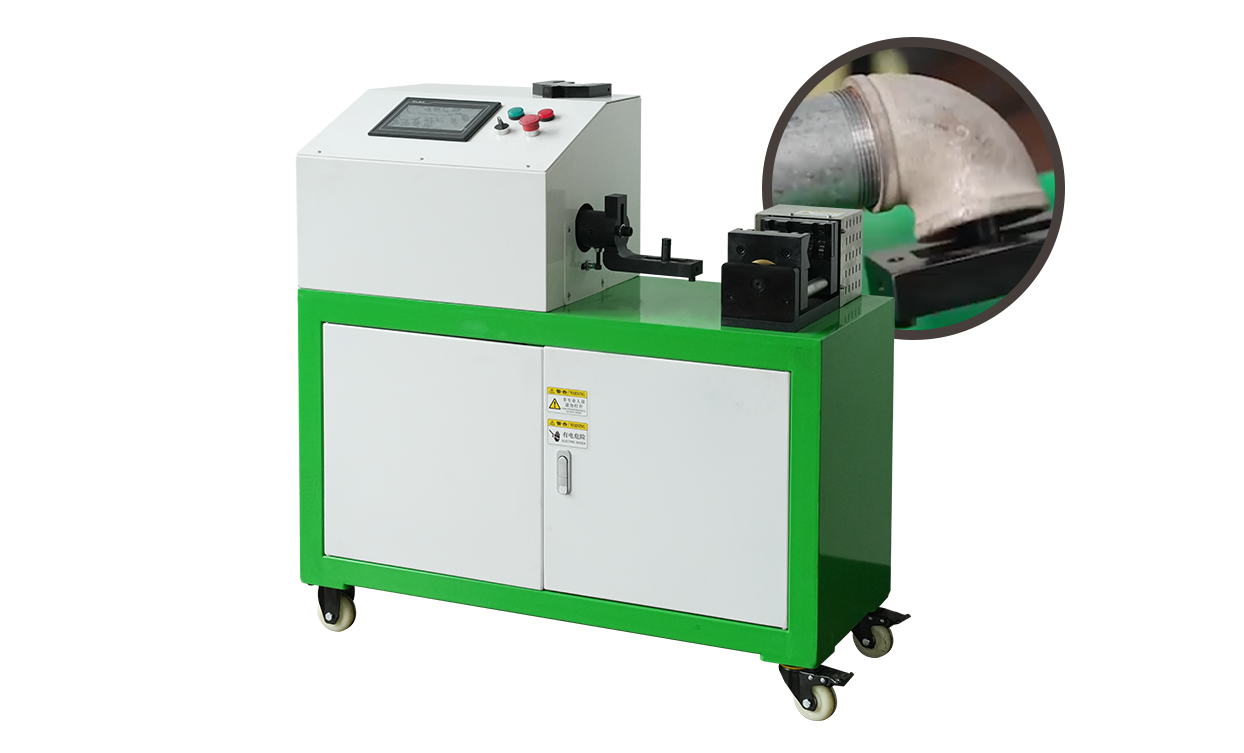
1. Intelligent adjustment, electric screwing 2. Save labor and improve efficiency 3. The layout is reasonable, safe and reliable 4. Torque adjustable,...
See Details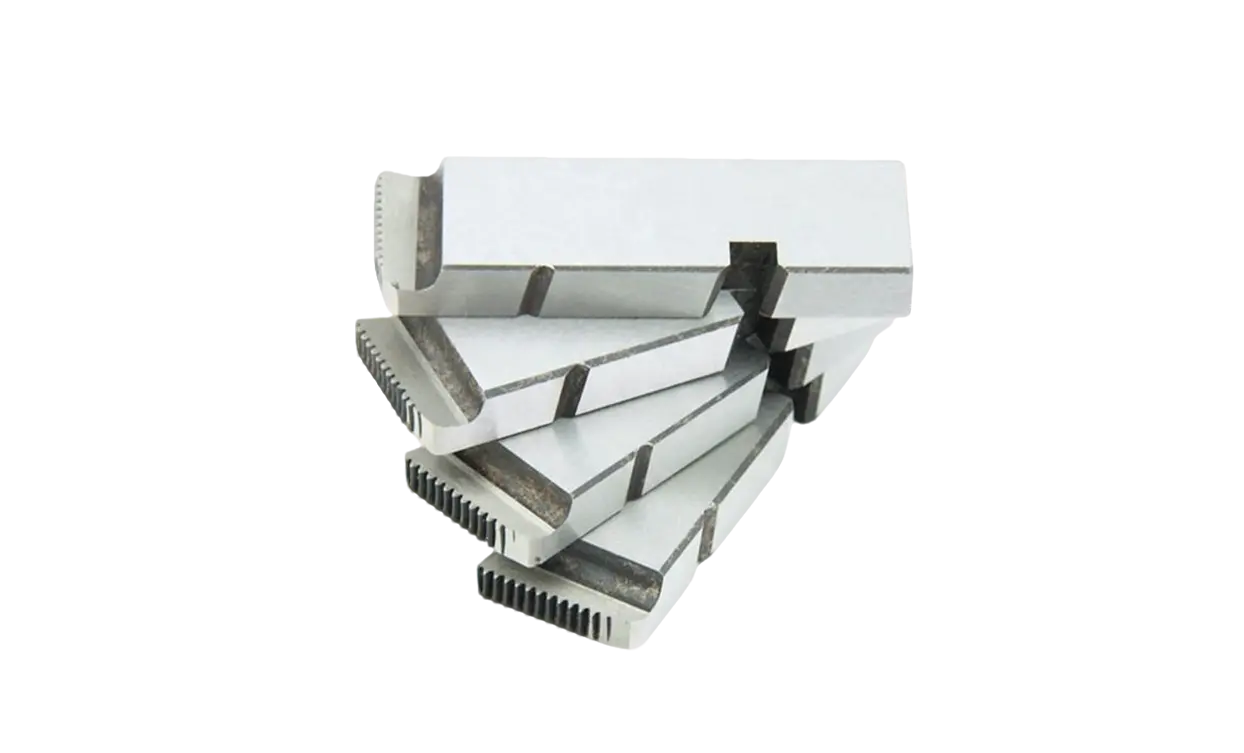
Core Material & Performance: Crafted from high-speed steel (HSS), the threading dies feature excellent hardness, wear resistance and heat resistan...
See Details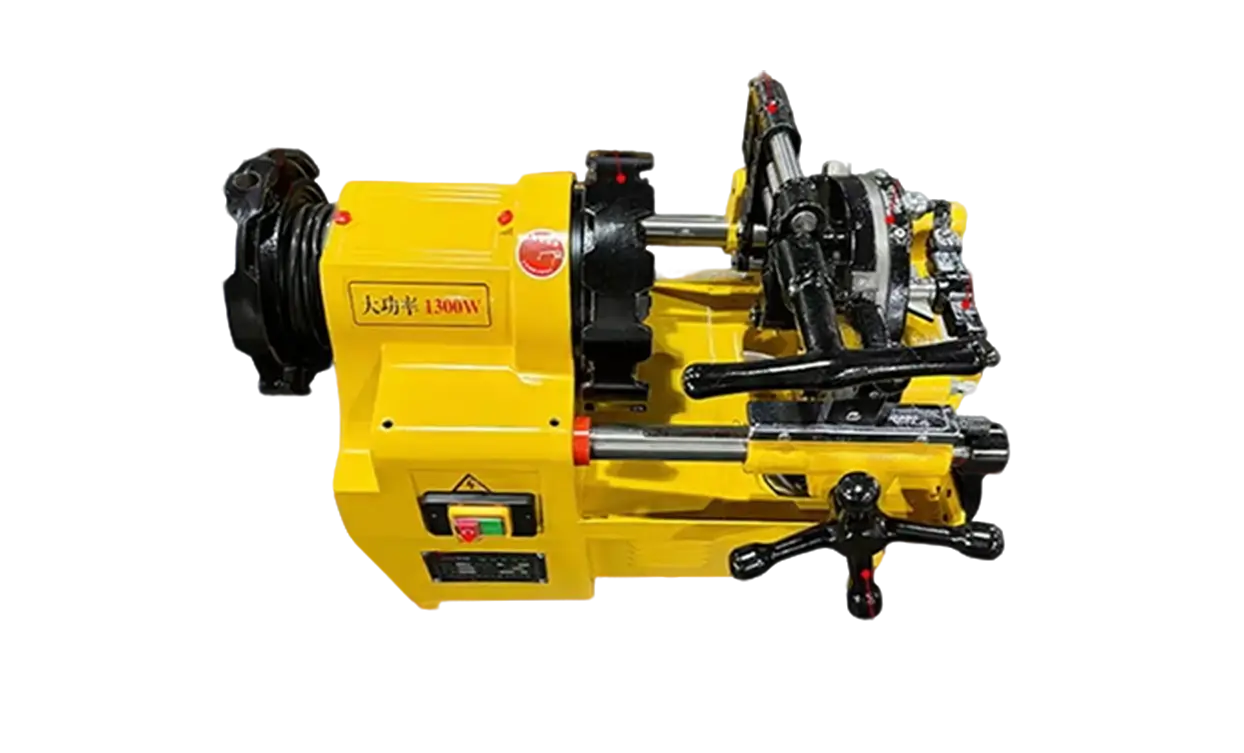
This SQ65 2.5-inch 15-65mm dual-speed electric pipe threading machine is a professional industrial tool engineered for precise pipe threading operatio...
See Details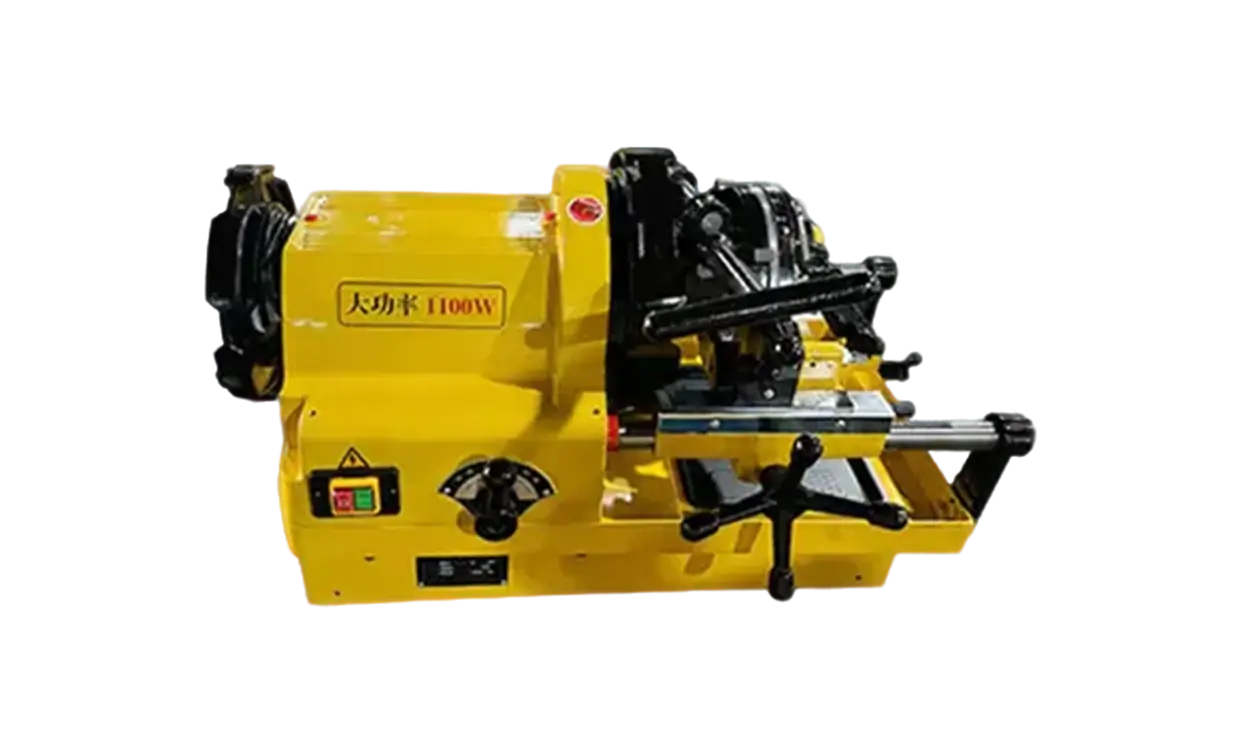
This SQ100 4-inch 15-100mm dual-speed electric pipe threading machine is engineered for precise and efficient pipe threading operations, with a workin...
See Details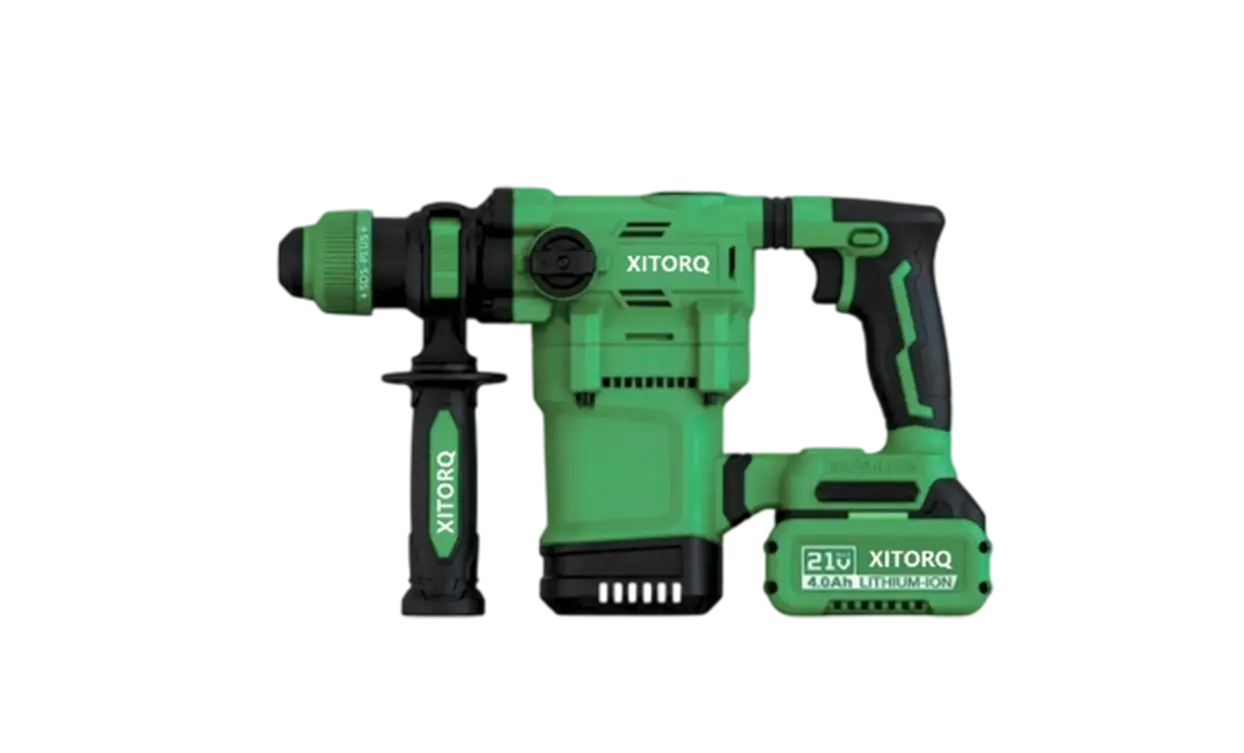
This 21V lithium-ion brushless rotary hammer is an industrial-grade tool designed for drilling and chiseling in concrete, stone, and other hard materi...
See Details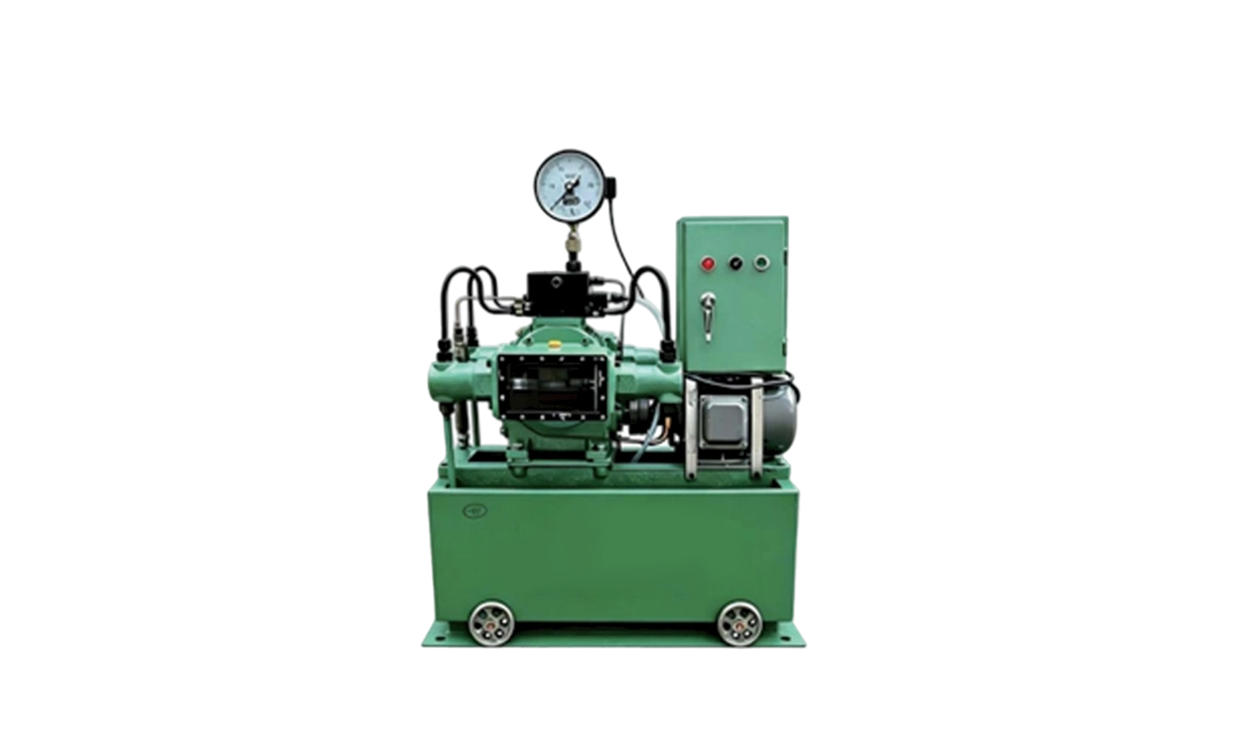
This 380V electric pressure test pump is a professional device designed for hydrostatic pressure testing and leak detection of pipes, valves, pressure...
See Details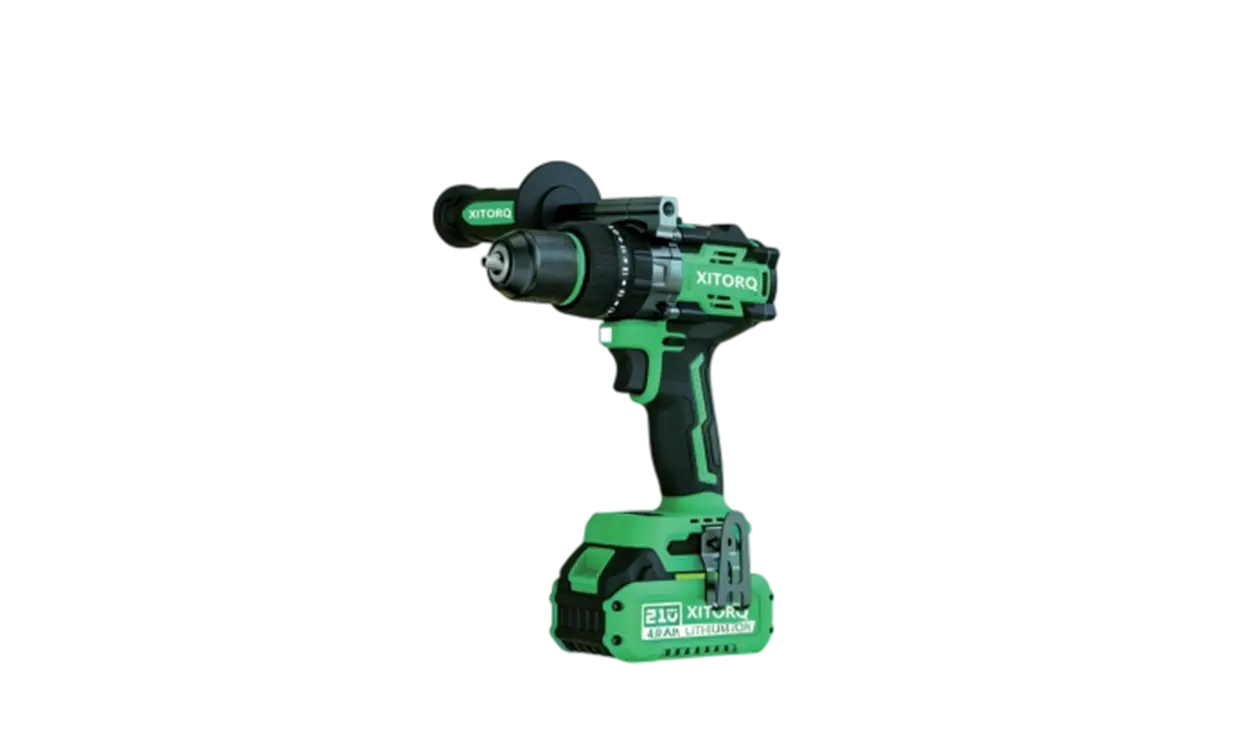
The XJ.615 21V lithium-ion brushless hammer drill/driver is a dual-purpose cordless drill from the Xiaojia brand. Powered by a 21V battery pack for co...
See Details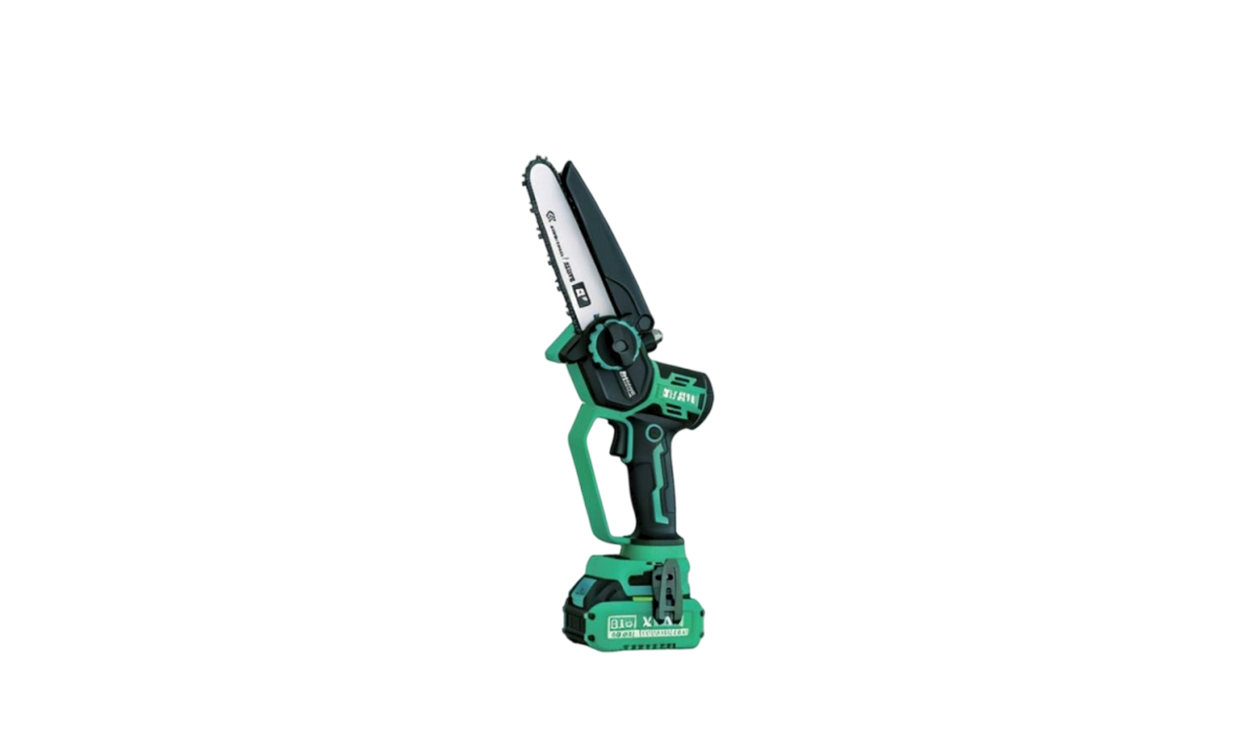
The XJ.204 16V 4" brushless electric chainsaw is a compact lithium-ion chainsaw from the Xiaojia brand. Powered by a 16V brushless motor with a 4" gui...
See Details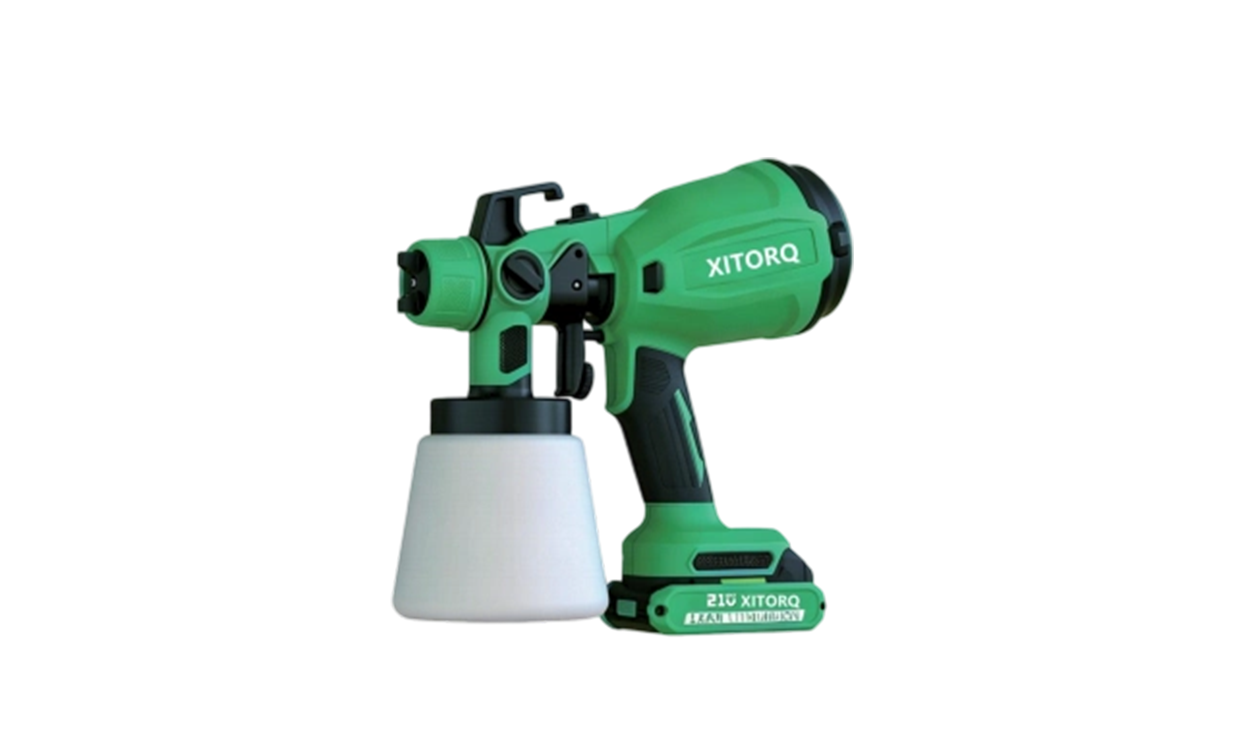
The 21V lithium-ion spray gun MT is an industrial-grade cordless spray gun from the Xiaojia brand. Featuring an upgraded brushless motor with enhanced...
See Details
Copyright © by Hangzhou Xinabo Intelligent Electromechanical Technology Co., Ltd Rights Reserved. Pipe Threaders Manufacturers
