 English
 Español
 عربى
عربى


Intelligent Threading Machine
1. Automatically identify the pipe diameter 2. Automatic tool adjustment and setting 3. Pipe Processing Range: DN15–DN100 4. Threading time as fast ...
See Details
Content
A single mismatched pipe twisting machine can hold up an entire fire sprinkler installation — wrong torque range, wrong pipe diameter, and the crew stands idle. For contractors and facility managers sourcing equipment for the first time, the gap between a mediocre purchase and the right one comes down to five specific criteria. Here's what actually matters.
Every machine has a fixed scope of work. Exceeding it — even by a few millimeters — causes slippage, thread deformation, or fixture damage. A professional intelligent pipe twisting machine typically handles pipe diameters from Φ15 to Φ65mm, which covers the majority of fire protection, HVAC, and construction pipeline applications.
Before you spec a machine, audit your actual pipe inventory. If you regularly work with pipes near the upper boundary of that range, verify the maximum clamping force as well. A rated maximum clamping force of 200KG ensures the fixture holds securely even when torque resistance is high — eliminating the rotation slippage that ruins thread consistency.
Older manual machines require the operator to judge torque, rotation stop, and return by feel. That introduces variability — and variability in pipe threading creates leaking joints. True intelligent control means the machine's built-in system handles parameter input, monitors real-time load, and executes automatic return after each cycle without manual intervention.
Look specifically for: a touchscreen login system for parameter adjustment, an electronic control center (intelligent PLC-based control box), and adjustable torque with automatic return function. These three features together reduce operator error and allow consistent output across shifts — especially important on large-scale construction projects where dozens of joints are completed per day.
If you also need precision thread cutting on the same job site, pairing the twisting machine with an intelligent threading machine that auto-identifies pipe diameter eliminates the need for manual die adjustment between pipe sizes.
This is where sourcing teams often overlook a practical constraint. A machine rated at 1.5KW / 220V draws standard single-phase power — readily available at most construction and workshop sites worldwide. That's a meaningful advantage over higher-voltage industrial machines that require dedicated three-phase supply.
A rotation speed of 23r/min strikes the right balance for pipe twisting: fast enough for volume production, controlled enough to maintain thread-start accuracy. Excessively high RPM on smaller-diameter pipes increases the risk of deformation at the thread entry point.
Always confirm the actual voltage available at your primary work location before purchase. A mismatch here isn't fixable with an adapter — it requires either a transformer or a different machine model.
Site conditions in construction and fire protection engineering are rarely ideal. A machine that can only operate on a flat, fixed workshop floor becomes a liability when the job is on an upper floor or in a confined mechanical room.
The right design answer is a mobile universal wheel base with adjustable leveling legs — wheels for transport, lockable legs for stability during operation. A compact footprint of 1m × 0.4m × 0.98m and a total weight of 165KG means the machine can be relocated on-site without crane support. This portability is a genuine operational advantage, not just a convenience feature.
The fixture is the most mechanically stressed component during operation. A poor clamping design allows micro-rotation of the pipe during the twisting cycle — producing threads that are off-center or inconsistent in depth.
Teeth-profile automatic clamping fixtures solve this. The serrated contact surface locks the pipe on load application and releases cleanly on return, without loosening mid-cycle. Zero rotation during operation is the standard to insist on — any fixture that allows even slight pipe movement will produce substandard threads that fail pressure testing.
For sites requiring a complete pipe preparation workflow, combining the twisting machine with electric pipe threading equipment that covers 15–100mm diameter range gives you a fully integrated setup from cutting to threading to twisting.
Choosing an intelligent pipe twisting machine is less about finding the most feature-rich option and more about matching five concrete parameters to your actual workflow: pipe diameter range, clamping force, control intelligence, power supply compatibility, and site portability. Get those five right, and the machine becomes a productivity multiplier. Miss one, and it becomes a recurring maintenance problem.
For high-frequency production environments — fire protection contractors handling 50+ joints per day, or construction teams working across multiple floors — machines with adjustable torque and automatic return cycles reduce operator fatigue and cycle time simultaneously. That combination is where the real labor cost reduction comes from.
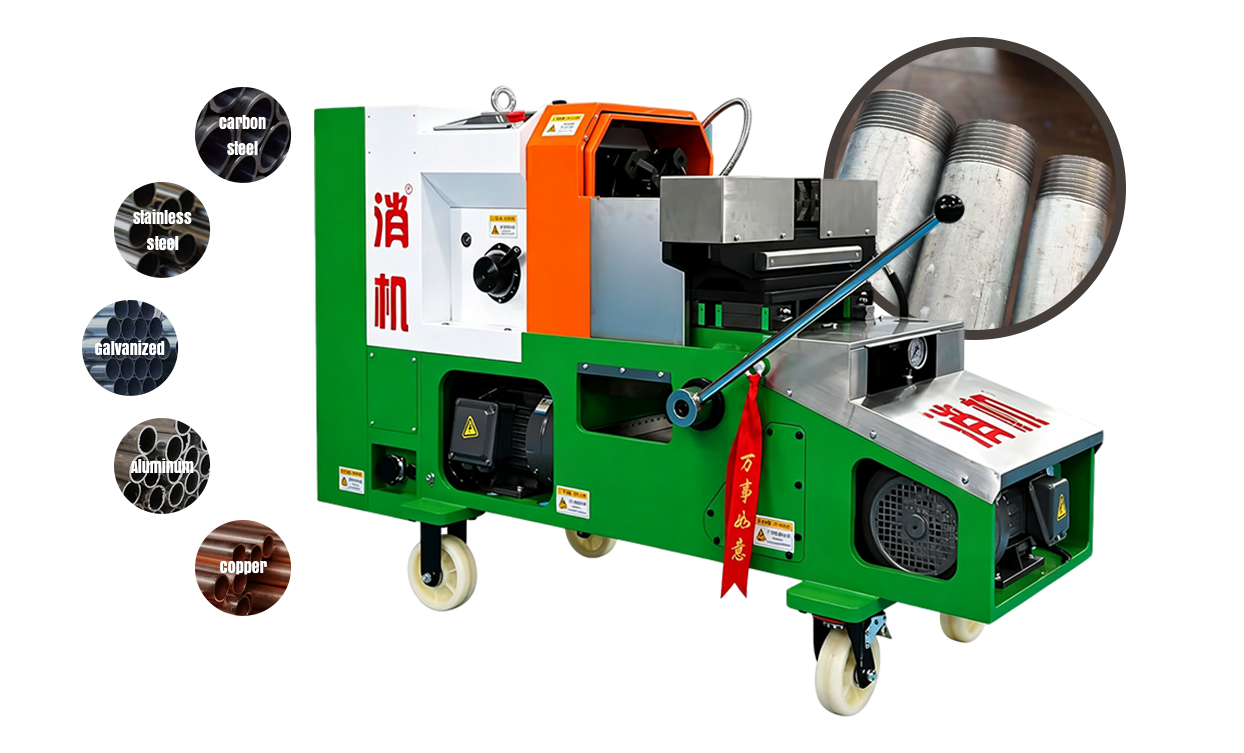
1. Automatically identify the pipe diameter 2. Automatic tool adjustment and setting 3. Pipe Processing Range: DN15–DN100 4. Threading time as fast ...
See Details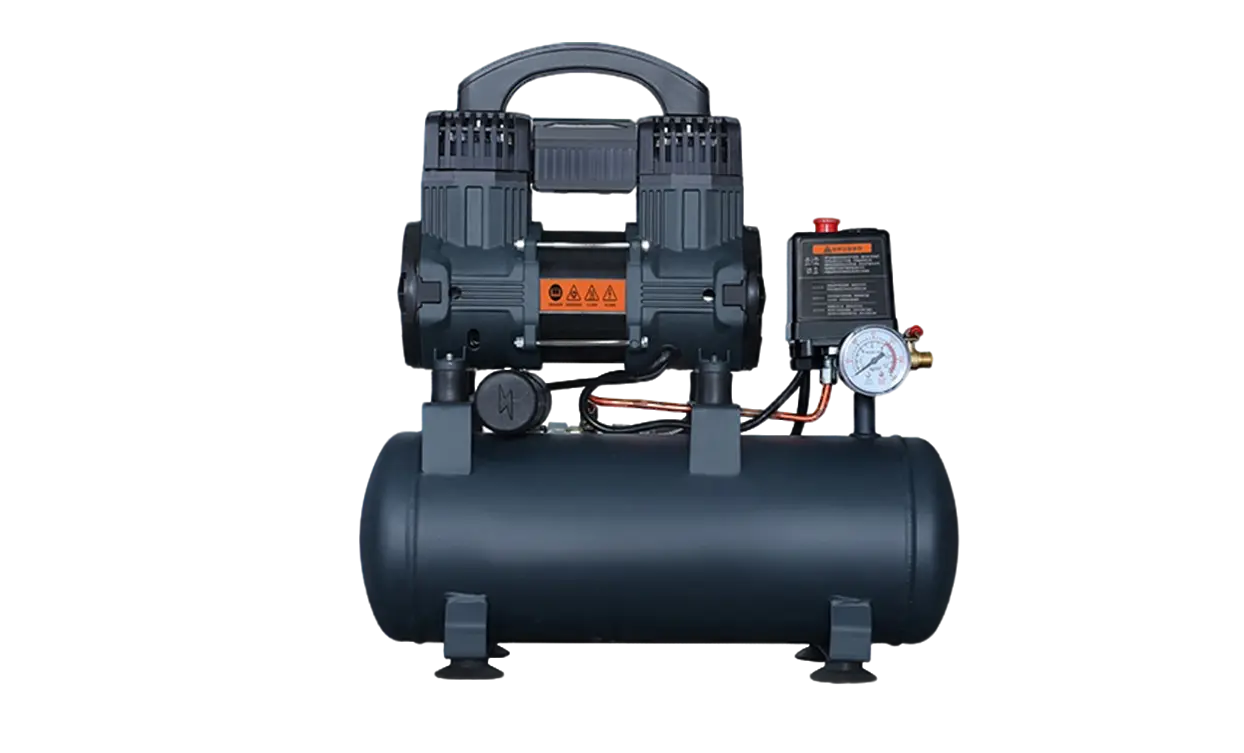
The F1200 Series Air Compressor is engineered for reliable, cost-effective compressed air supply, core to which are its high-efficiency oil-free desig...
See Details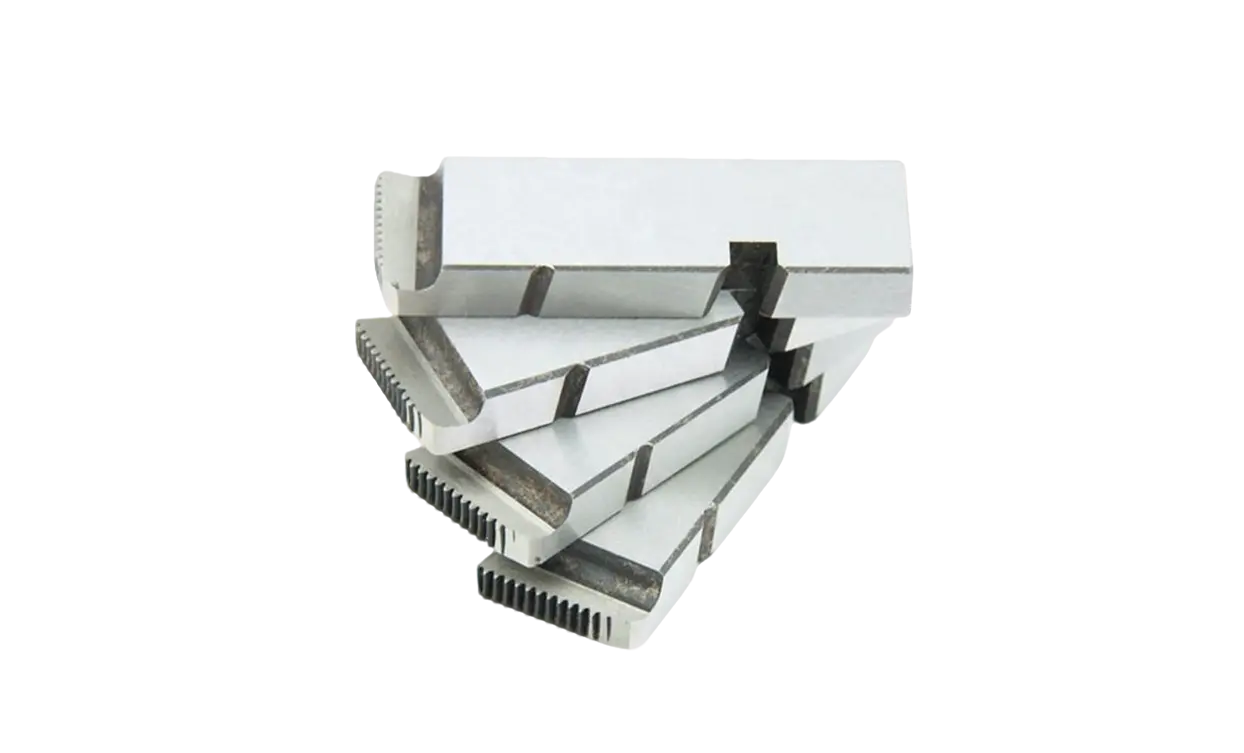
Core Material & Performance: Crafted from high-speed steel (HSS), the threading dies feature excellent hardness, wear resistance and heat resistan...
See Details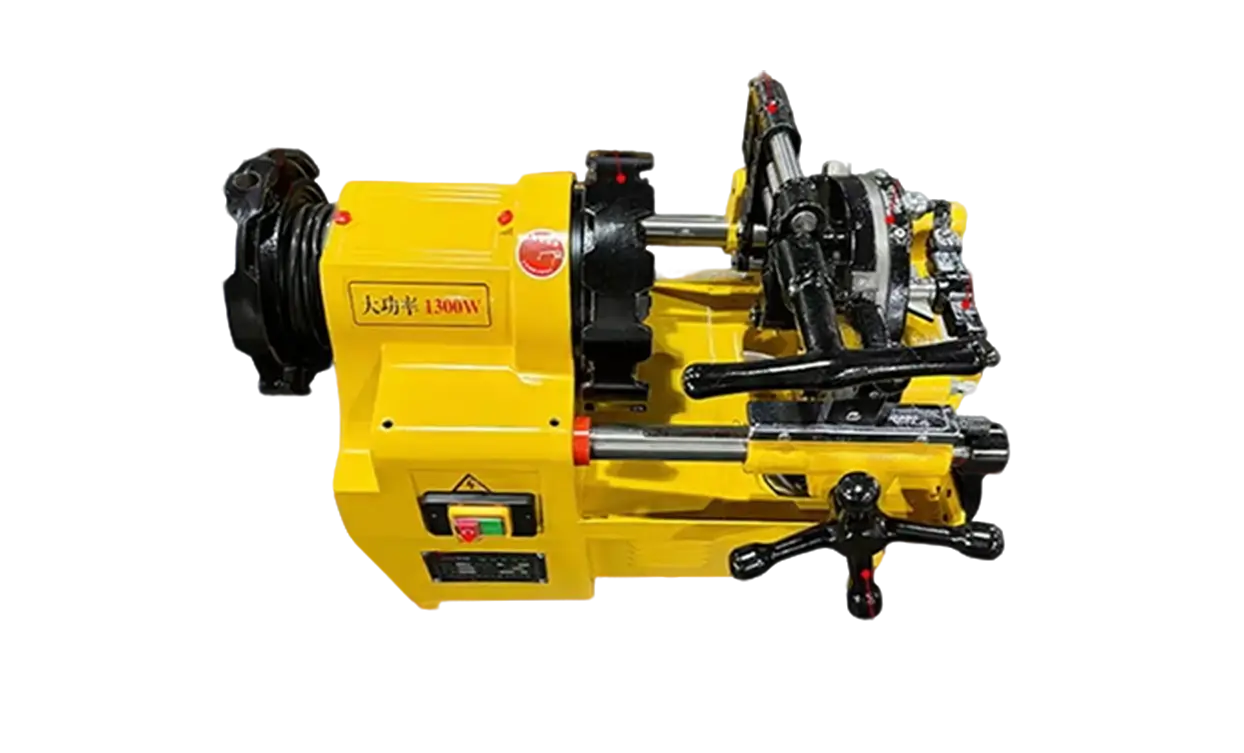
This SQ65 2.5-inch 15-65mm dual-speed electric pipe threading machine is a professional industrial tool engineered for precise pipe threading operatio...
See Details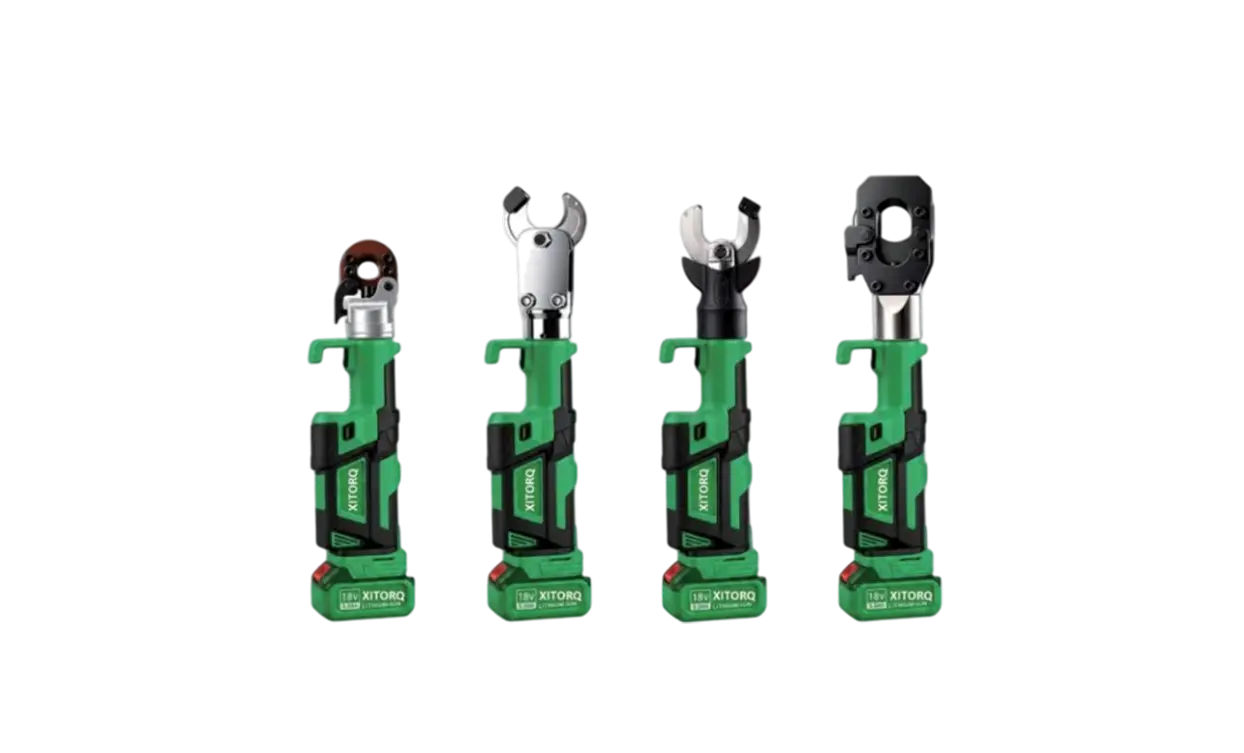
This 18V lithium-ion industrial cable cutter is a professional tool designed for large-diameter cable cutting. It features a brushless lithium-ion pow...
See Details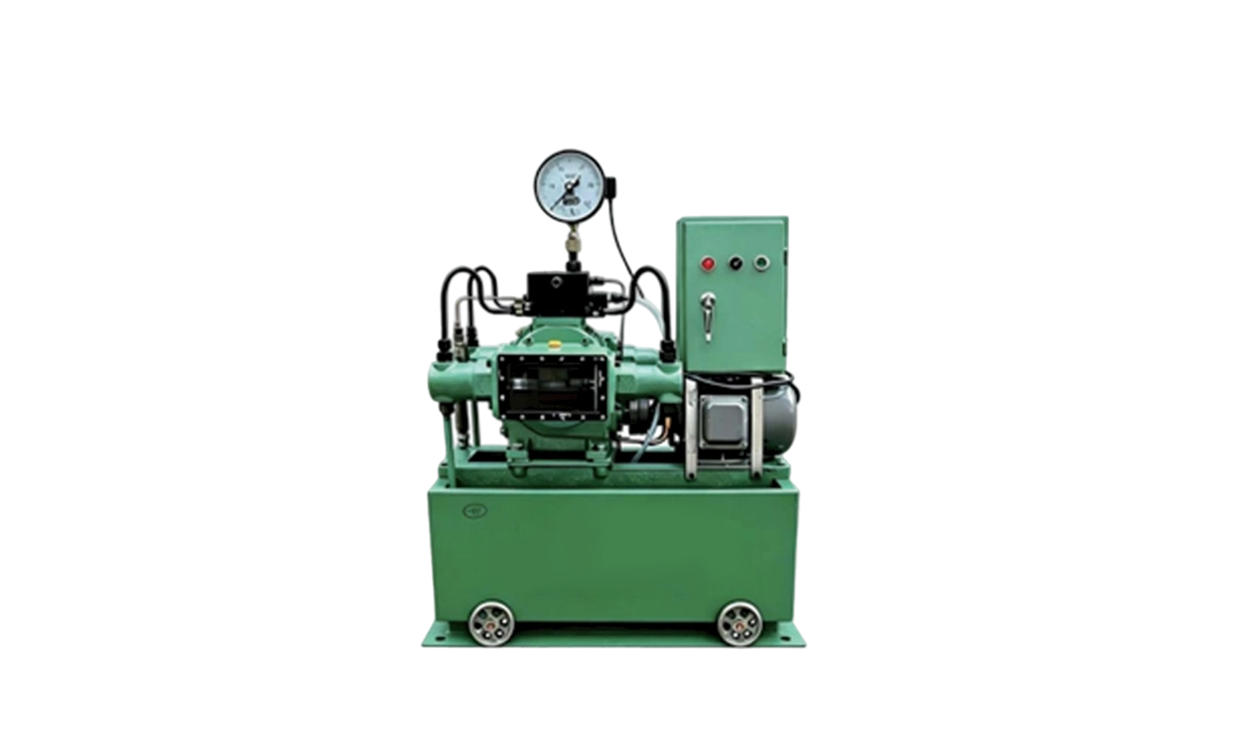
This 380V electric pressure test pump is a professional device designed for hydrostatic pressure testing and leak detection of pipes, valves, pressure...
See Details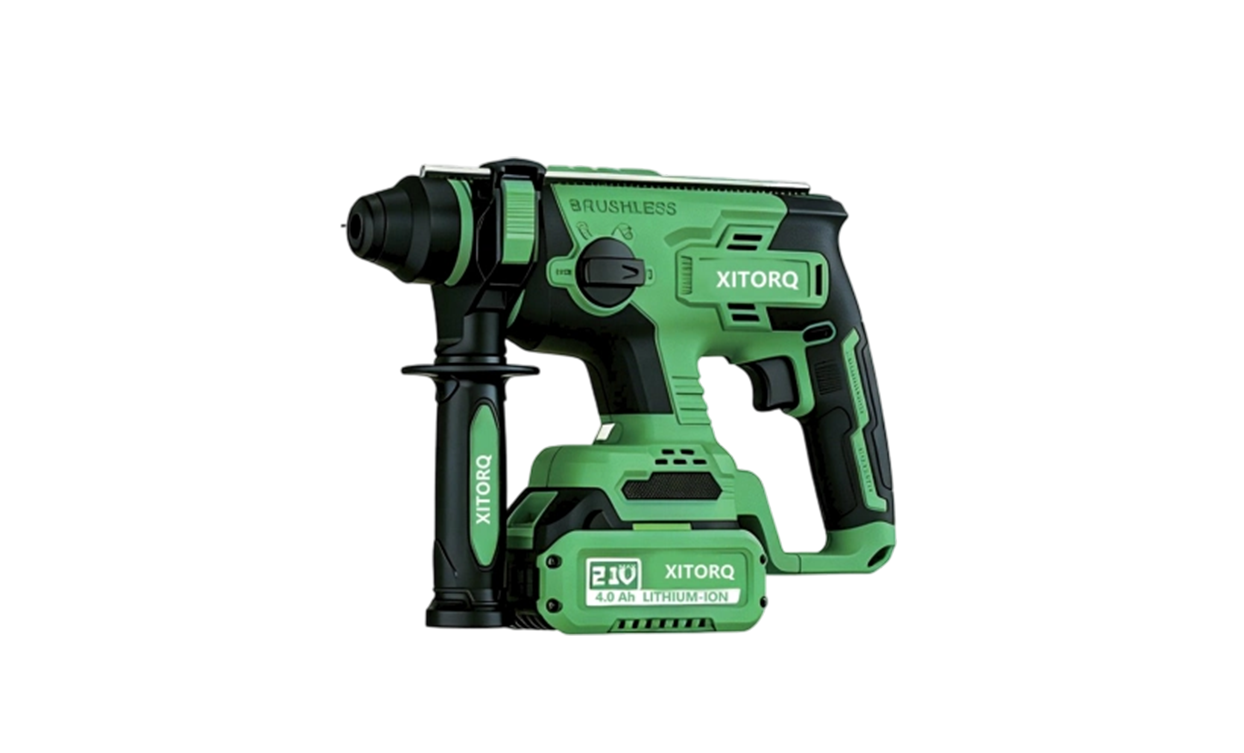
The XJ.709 21V lithium-ion high-magnetic brushless rotary hammer is an industrial-grade hammer from the Xiaojia brand. Equipped with a high-magnetic b...
See Details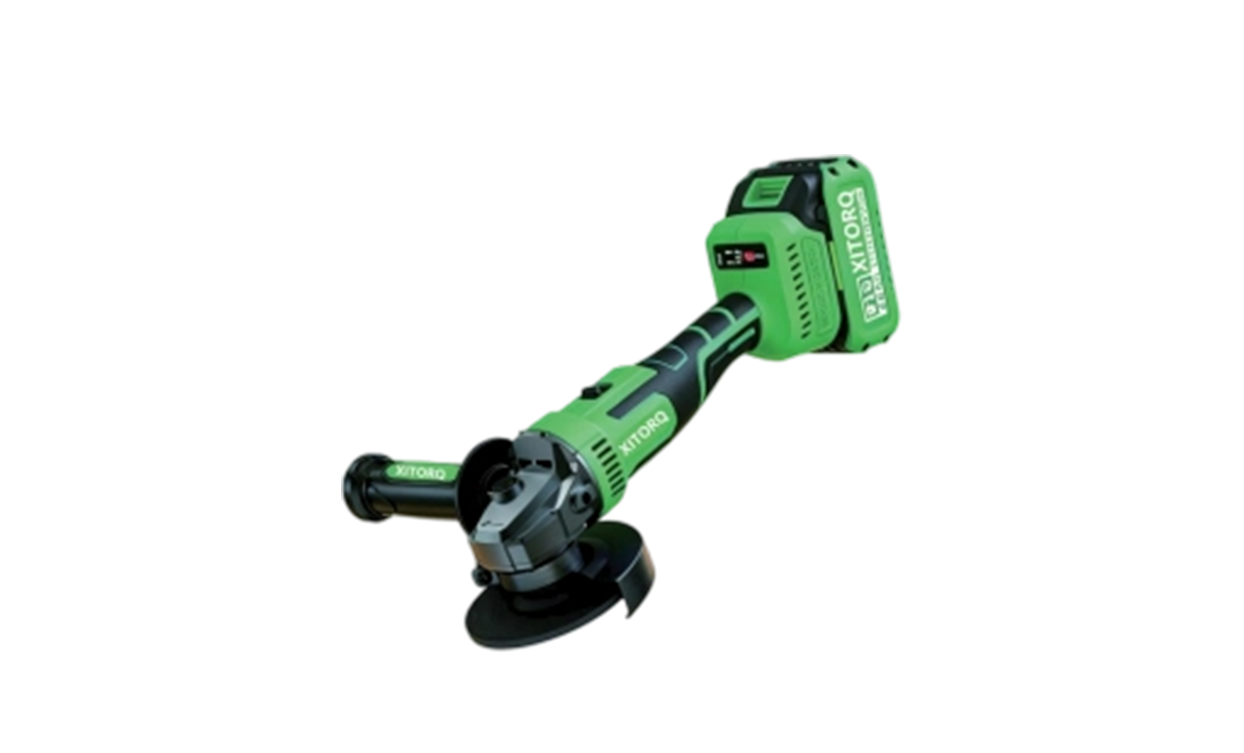
The XJ.908 21V lithium-ion high-magnetic brushless angle grinder is an industrial-grade grinder from the Xiaojia brand. Featuring a high-magnetic brus...
See Details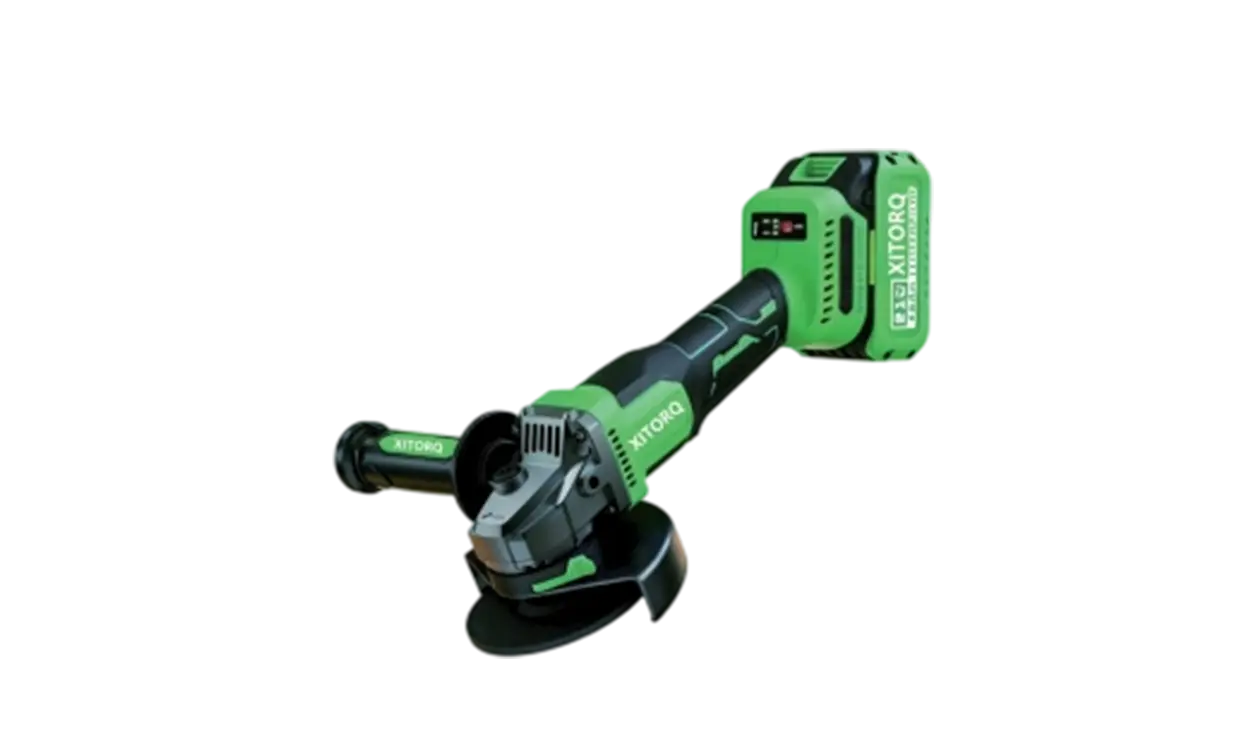
The XJ.918 21V lithium-ion high-magnetic brushless angle grinder is a heavy-duty industrial-grade grinder from the Xiaojia brand. Featuring an upgrade...
See Details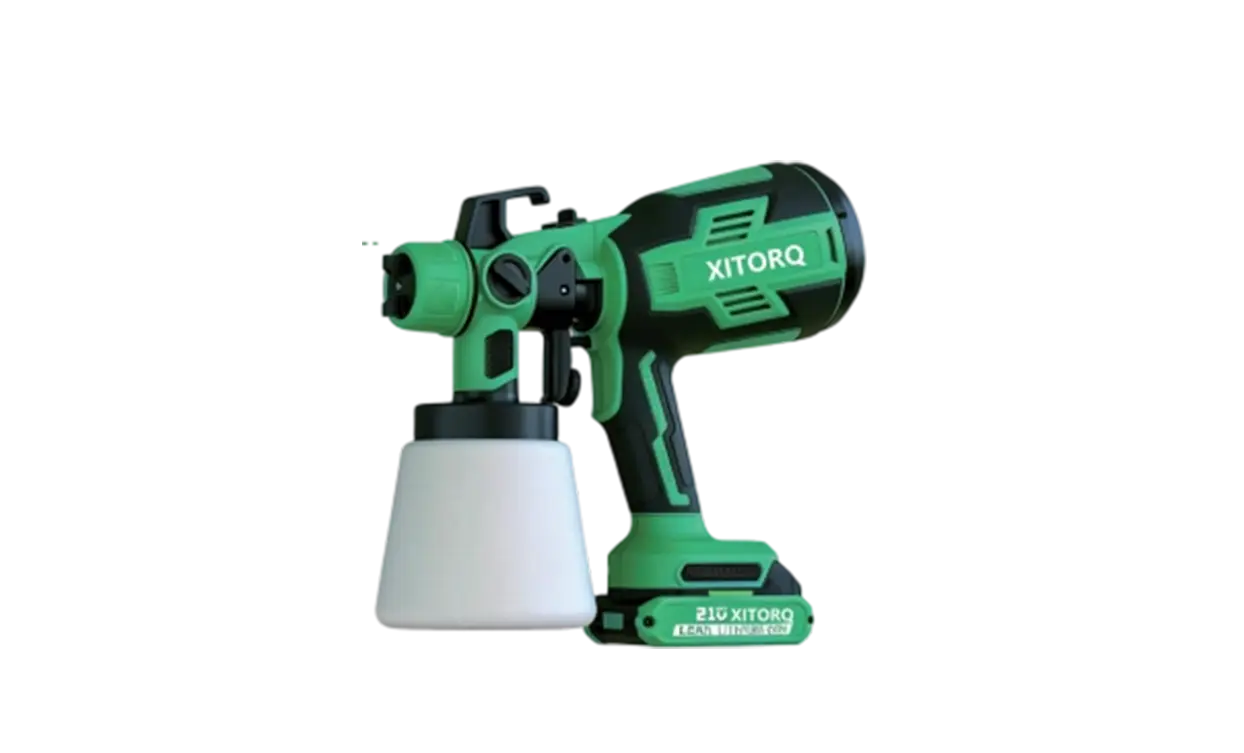
This 21V lithium-ion spray gun (Small Airplane model) is a portable cordless painting tool designed for paint spraying. Powered by a 21V brushless lit...
See Details
Copyright © by Hangzhou Xinabo Intelligent Electromechanical Technology Co., Ltd Rights Reserved. Pipe Threaders Manufacturers