 English
 Español
 عربى
عربى


Intelligent Pipe Tightening Machine
1. Intelligent adjustment, electric screwing 2. Save labor and improve efficiency 3. The layout is reasonable, safe and reliable 4. Torque adjustable,...
See Details
Content
Manual pipe twisting has a ceiling — and most contractors hit it fast. One operator, one wrench, limited torque control, and a thread that's slightly off means rework, delays, and wasted material. The intelligent pipe twisting machine was built specifically to break through that ceiling, replacing guesswork with precision automation and cutting per-joint labor time significantly on live job sites.
Unlike a standard electric pipe threader, an intelligent pipe twisting machine controls the full twisting cycle — clamping, rotation, torque application, and automatic return — through an onboard electronic control system. The operator sets parameters via a touchscreen interface, and the machine handles the rest, maintaining consistent torque without fatigue or human variability.
The result is threaded joints with uniform depth and finish across every repetition. That consistency matters most in high-volume environments: fire protection systems, HVAC installations, building construction, and industrial pipework where dozens or hundreds of connections must meet the same specification every time.
For a breakdown of how manual and intelligent pipe twisting compare across key performance metrics, the differences in output quality and labor demand are substantial.
Before evaluating any machine, understand what the specifications actually mean for your workflow. Here is how a production-grade unit — Xinabo's Intelligent Pipe Twisting Machine — stacks up:
| Parameter | Value | Why It Matters |
|---|---|---|
| Total Power | 1.5 KW | Low draw — runs on standard 220V site power without dedicated circuits |
| Voltage | 220V | Compatible with most international job site power supplies |
| Working Range | Φ15–Φ65 mm | Covers the majority of fire protection and building pipe diameters in a single machine |
| Rotation Speed | 23 r/min | Controlled speed ensures clean thread engagement without pipe damage |
| Max Clamping Force | 200 KG | Teeth-design automatic fixture keeps pipe locked without slippage during rotation |
| Machine Weight | 165 KG | Heavy enough for stability; mounted on mobile universal wheels for repositioning |
| Footprint | 1m × 0.4m × 0.98m | Compact enough for confined plant rooms and basement installations |
The 200 KG clamping force combined with the teeth-design automatic fixture is what separates production machines from lighter tools — pipe stays locked in rotation without the operator holding it in place, which eliminates a major fatigue and safety risk on extended shifts.
The efficiency gains of switching to intelligent automation are measurable, not theoretical. Here is where the differences show up in daily operation:
For a data-supported look at how intelligent pipe twisting machines drive measurable efficiency gains on active projects, the output-per-shift comparisons make a strong case for automation.
Not every pipe job justifies a machine at this level. The economics shift decisively in favor of an intelligent pipe twisting machine when any of these conditions apply:
The Φ15–Φ65 mm working range covers the standard sizes used across all of these applications without requiring a machine change or die swap between common pipe classes.
Spec sheets look similar across suppliers. The questions that reveal actual quality differences are more specific:
If you are also processing pipe ends before threading, pairing a pipe twisting machine with an intelligent threading machine designed for automatic pipe diameter recognition and tool adjustment creates a full automated preparation line with no manual measurement steps between operations.
Manual pipe twisting is slow, inconsistent, and hard on workers. An intelligent pipe twisting machine replaces all of that with controlled, repeatable automation — consistent torque, automatic return, digital parameter control, and a compact footprint that works in real job site conditions. The specs above are not aspirational targets; they are what a production-grade machine delivers on a standard 220V circuit. If your operation involves more than occasional pipe threading, the math on labor saved versus equipment cost closes quickly.
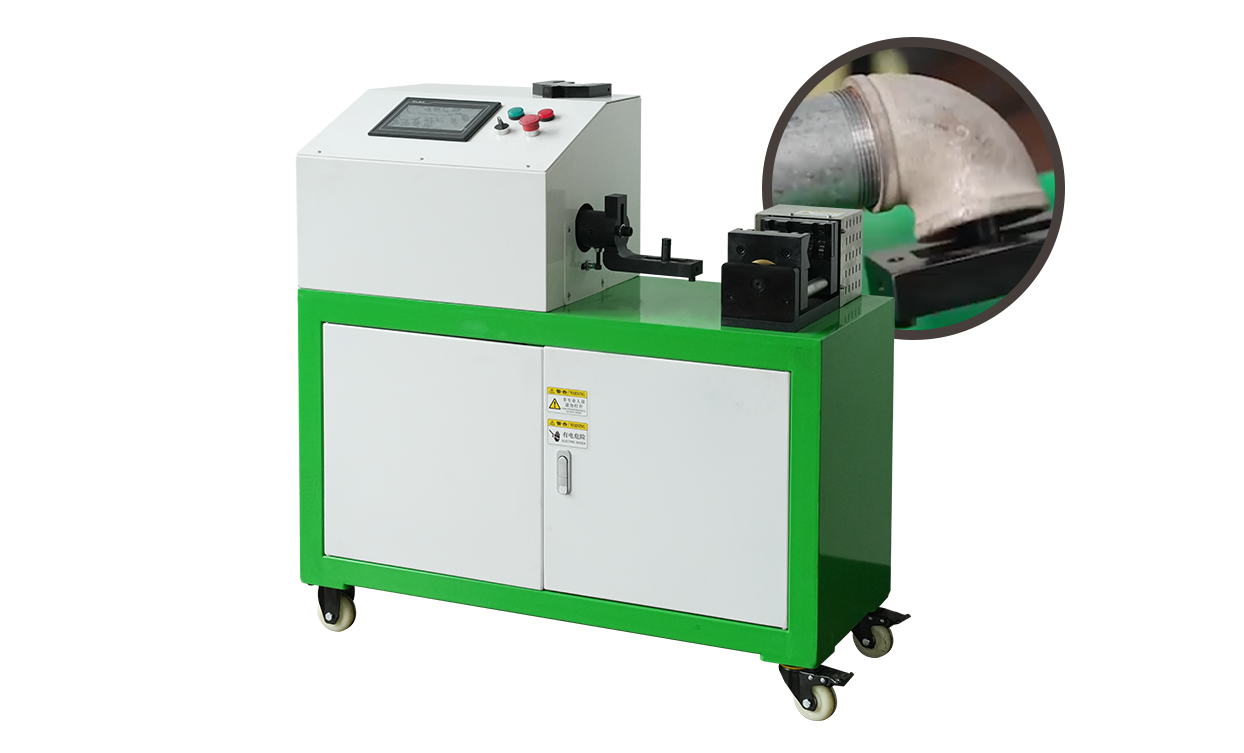
1. Intelligent adjustment, electric screwing 2. Save labor and improve efficiency 3. The layout is reasonable, safe and reliable 4. Torque adjustable,...
See Details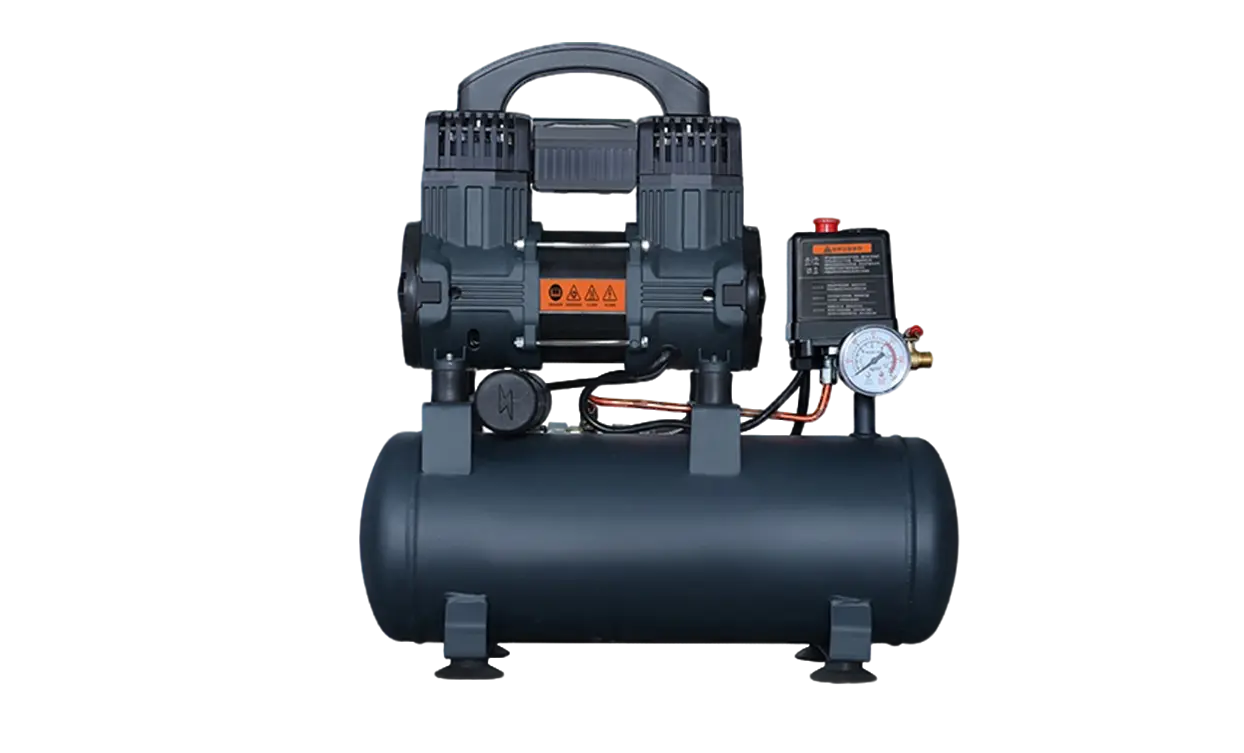
The F1200 Series Air Compressor is engineered for reliable, cost-effective compressed air supply, core to which are its high-efficiency oil-free desig...
See Details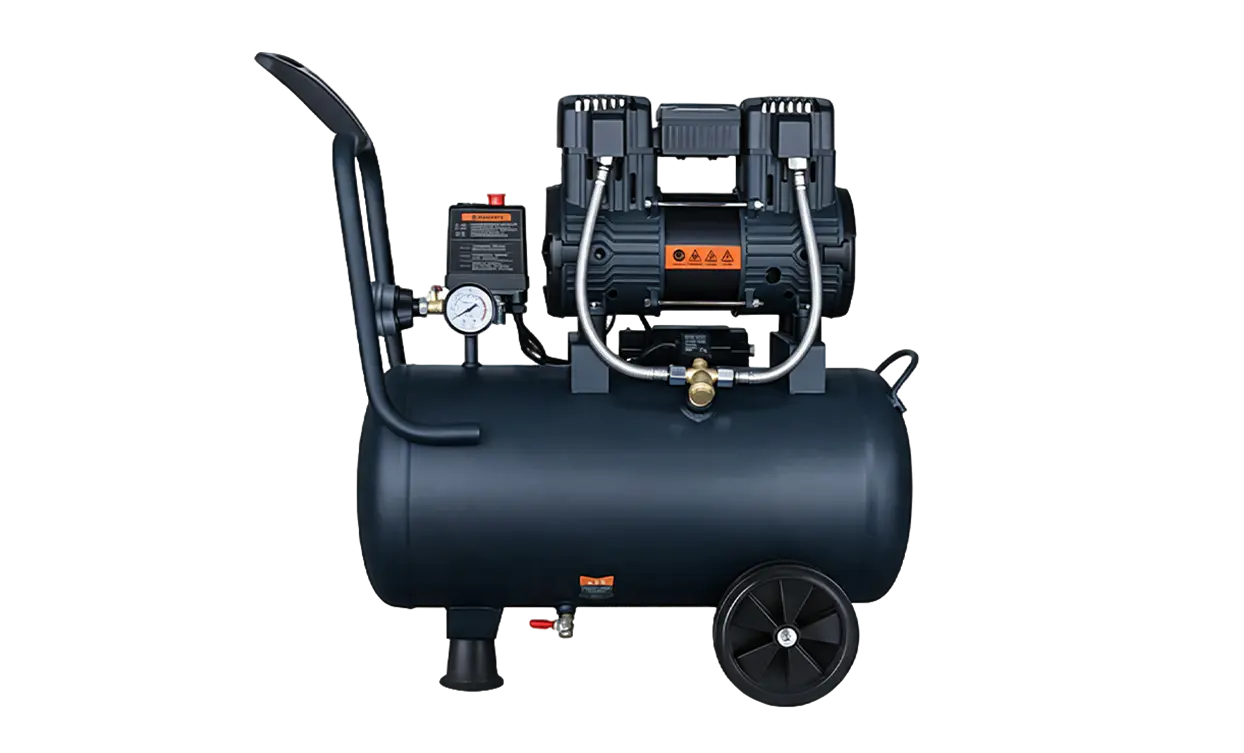
The F1680 Series Air Compressor is engineered for stable and efficient air supply, featuring core technologies of multi-cylinder compression, rapid ai...
See Details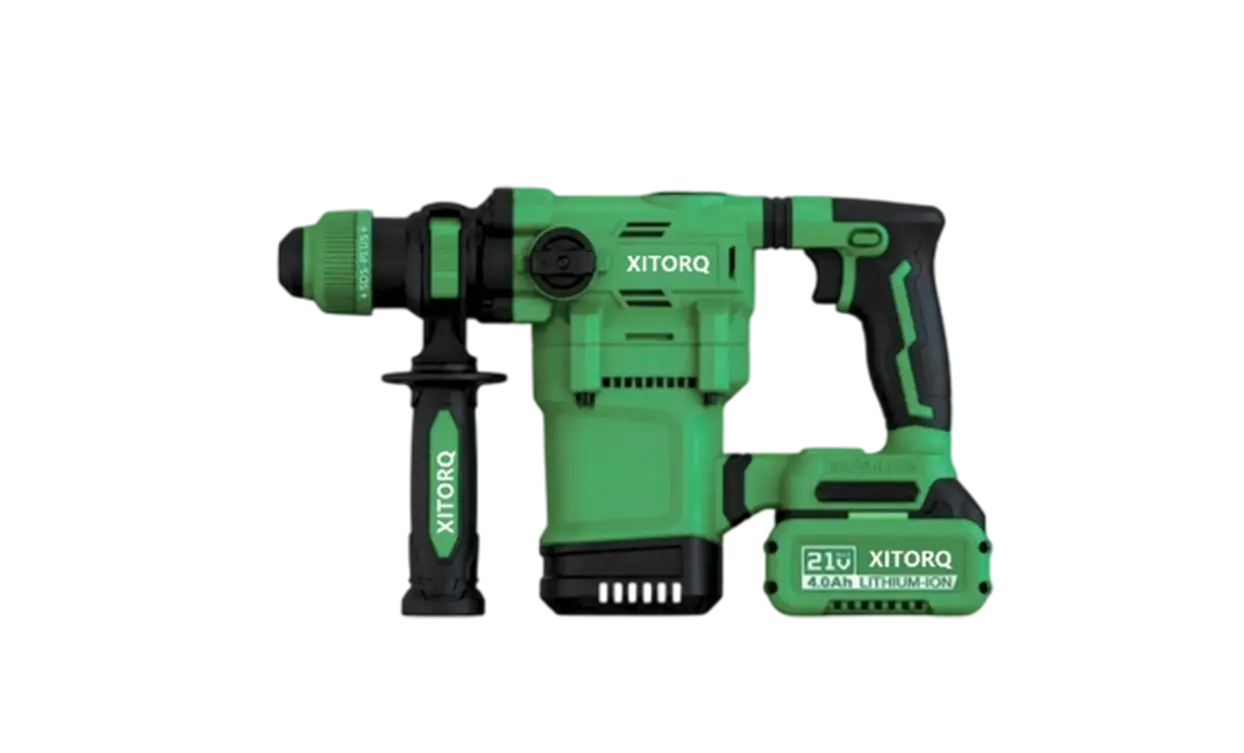
This 21V lithium-ion brushless rotary hammer is an industrial-grade tool designed for drilling and chiseling in concrete, stone, and other hard materi...
See Details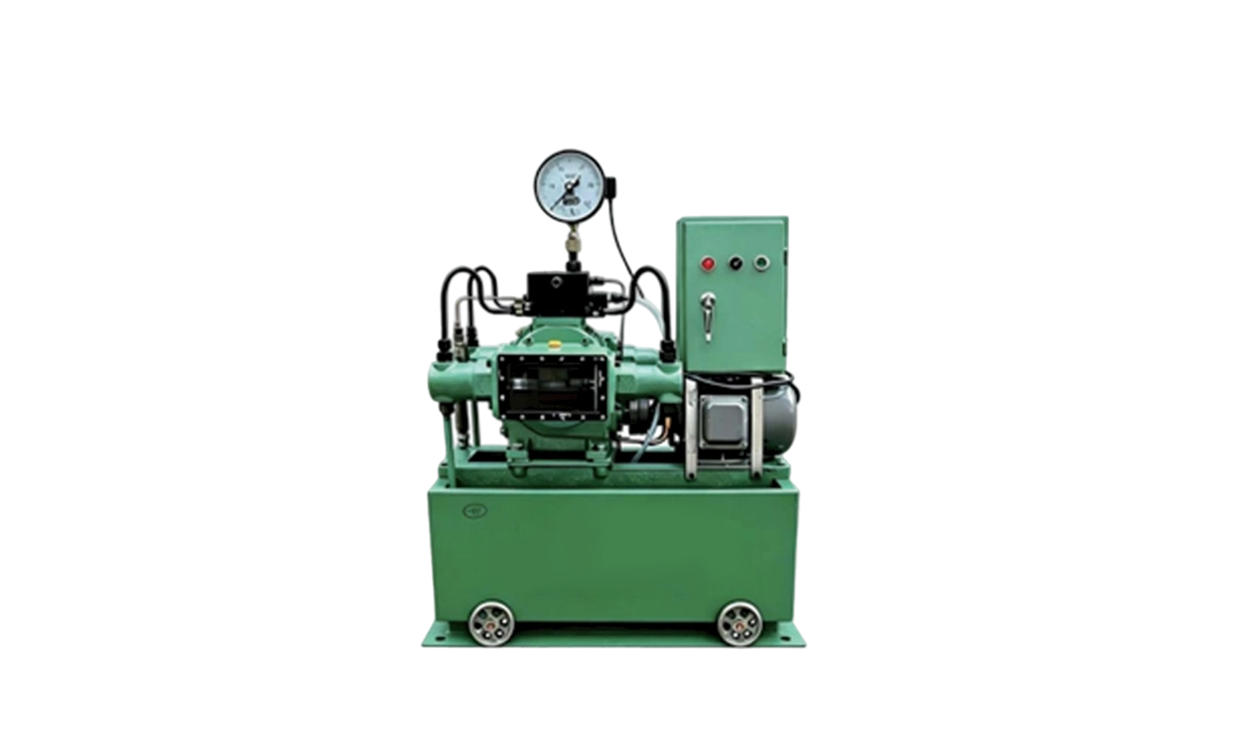
This 380V electric pressure test pump is a professional device designed for hydrostatic pressure testing and leak detection of pipes, valves, pressure...
See Details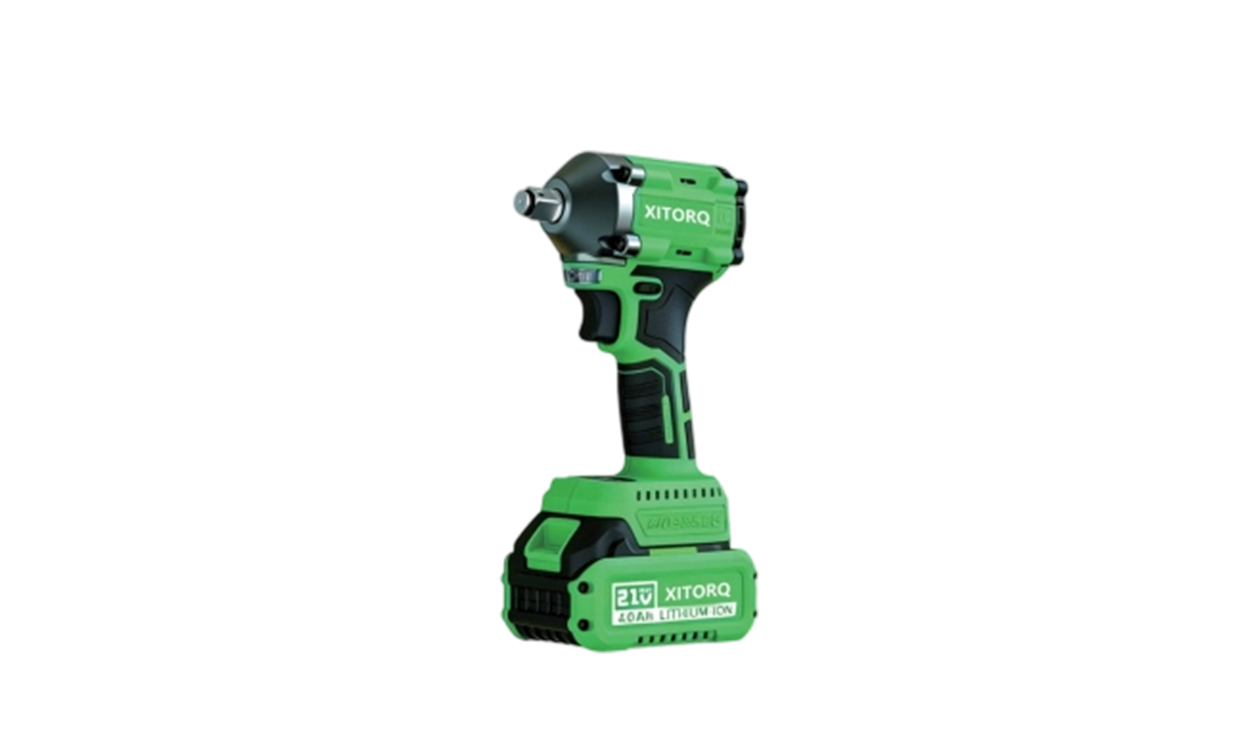
The XJ.533 21V lithium-ion brushless impact wrench is a 21V battery-powered cordless tool from the Xiaojia brand, combining the extended runtime of co...
See Details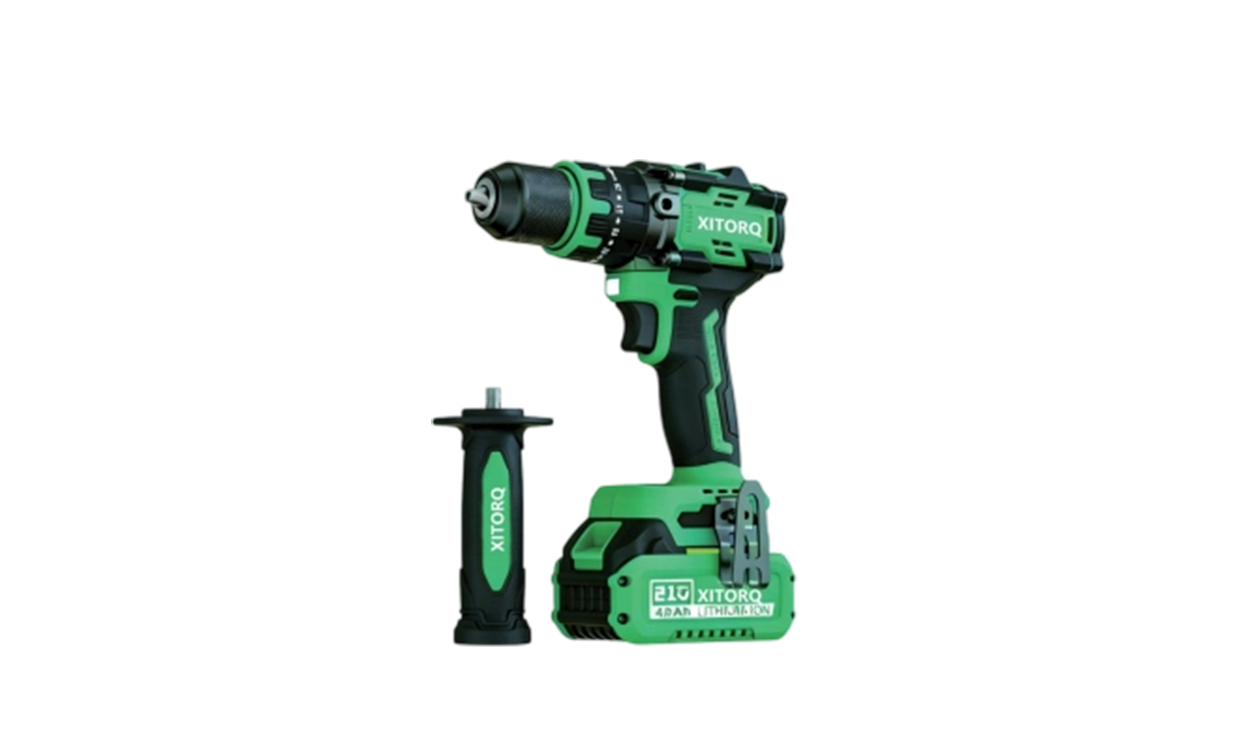
The XJ.608 21V lithium-ion brushless hammer drill/driver is a versatile industrial-grade cordless drill from the Xiaojia brand. Featuring a brushless ...
See Details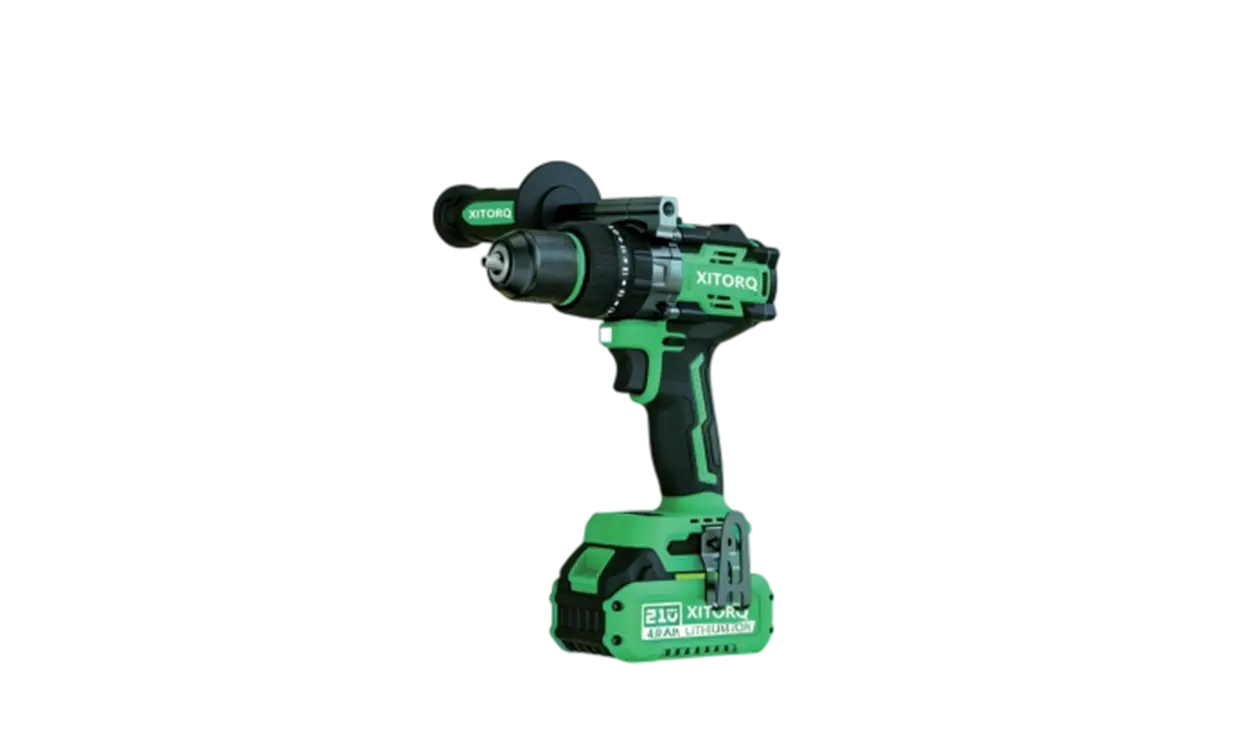
The XJ.615 21V lithium-ion brushless hammer drill/driver is a dual-purpose cordless drill from the Xiaojia brand. Powered by a 21V battery pack for co...
See Details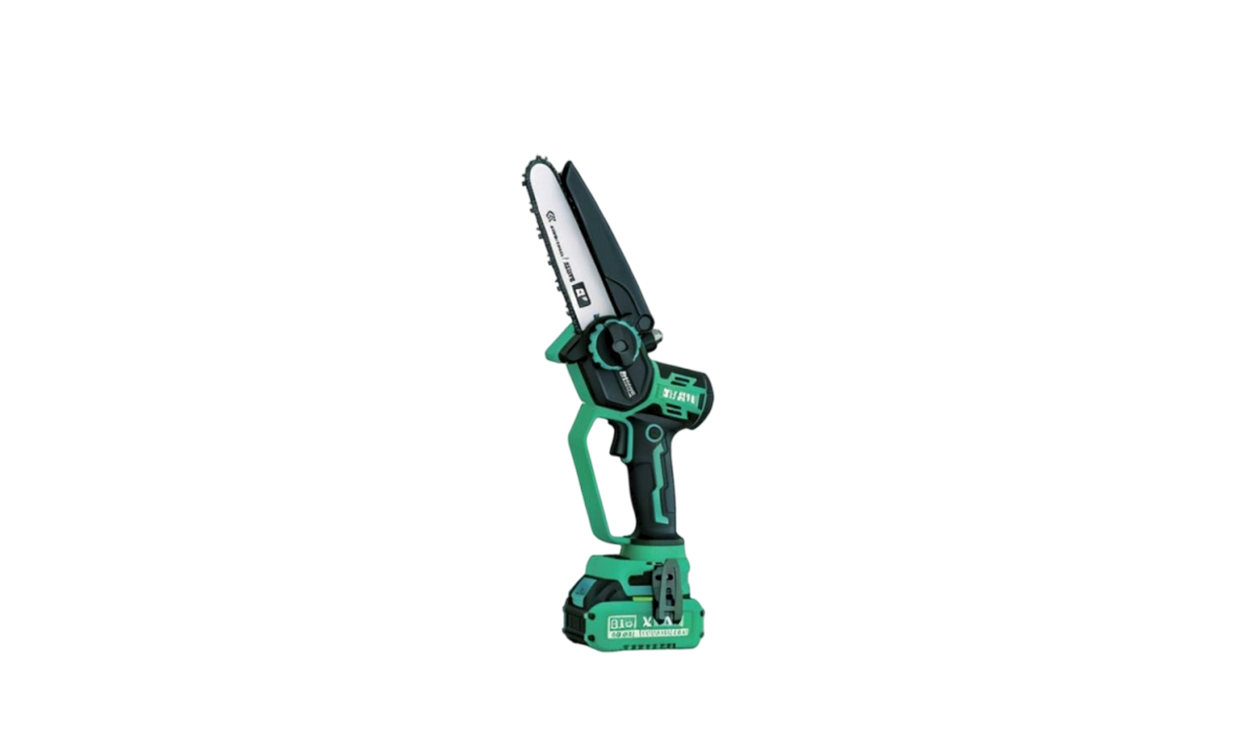
The XJ.204 16V 4" brushless electric chainsaw is a compact lithium-ion chainsaw from the Xiaojia brand. Powered by a 16V brushless motor with a 4" gui...
See Details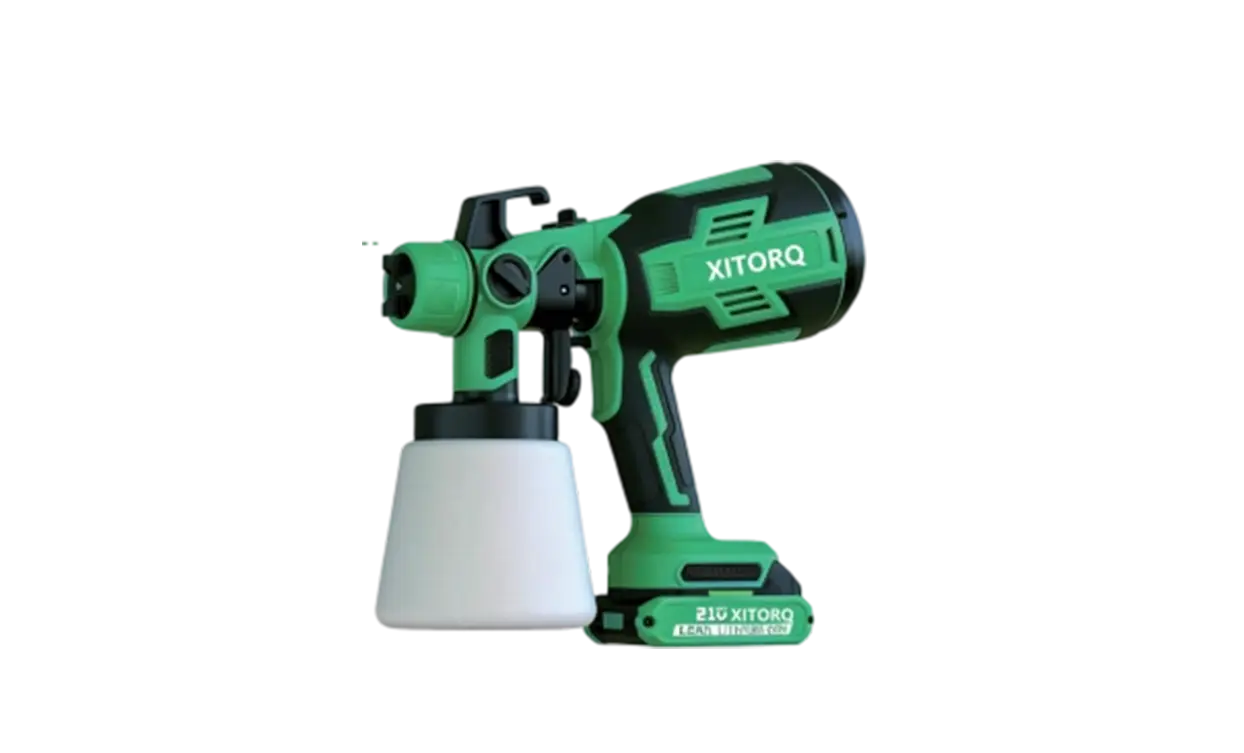
This 21V lithium-ion spray gun (Small Airplane model) is a portable cordless painting tool designed for paint spraying. Powered by a 21V brushless lit...
See Details
Copyright © by Hangzhou Xinabo Intelligent Electromechanical Technology Co., Ltd Rights Reserved. Pipe Threaders Manufacturers