 English
 Español
 عربى
عربى


High Speed Steel Threading Dies
Core Material & Performance: Crafted from high-speed steel (HSS), the threading dies feature excellent hardness, wear resistance and heat resistan...
See Details
Content
Oil contamination in compressed air isn't just an inconvenience — it can spoil pharmaceutical batches, trigger food safety recalls, and corrode sensitive electronics. That single reality is driving a steady migration from lubricated systems to piston-type compressors that deliver completely oil-free output across industrial and commercial settings. If you're evaluating the switch, this guide covers the mechanics, the real-world benefits, the industries that depend on it, and — critically — how to match the right model to your workload.
In a conventional lubricated compressor, oil is injected into the compression chamber to seal gaps, lubricate moving parts, and cool the air. It works — but trace oil inevitably enters the output stream. An oil-free piston design eliminates this entirely. The compression chamber uses self-lubricating materials (typically PTFE-coated rings) rather than oil, so nothing migrates into the air supply.
The result is compressed air that meets the ISO 8573-1 purity classification framework, where the strictest grades (Class 1 and Class 0) require oil content below 0.01 mg/m³. No downstream oil separator or coalescing filter can guarantee that — only an oil-free source can.
Guaranteed air purity. The compressed air carries zero oil residue. For processes where even a few micrograms of oil per cubic meter causes product rejection, this isn't a feature — it's the baseline requirement.
Lower maintenance burden. Without oil in the compression loop, there are no oil changes, no separator elements, and no oil-water condensate treatment systems to manage. The maintenance schedule shrinks substantially, which matters most in facilities with limited maintenance staff or high machine uptime requirements.
Intelligent energy management. Modern oil-free piston units — such as the F1200 Series — incorporate auto start-stop logic. The compressor shuts down automatically when the tank reaches its preset pressure ceiling, then restarts only when pressure drops to the lower threshold. Idle running, which wastes both energy and component life, is eliminated by design rather than operator discipline.
The applications split into two broad groups: those where air purity is a regulatory requirement, and those where it's an operational advantage.
Choosing between an entry-level and a heavy-duty oil-free piston model comes down to two factors: air demand pattern (intermittent vs. continuous) and required pressure range.
| Factor | F1200 Series | F1680 Series |
|---|---|---|
| Core Technology | High-efficiency oil-free design + auto start-stop | Multi-cylinder compression + rapid air intake jet |
| Air Supply Pattern | Intermittent / short-term continuous | Continuous, stable high-pressure output |
| Typical Applications | Workshops, auto repair, dental, labs | Mechanical processing, auto parts, automated lines |
| Pressure Performance | Standard operating range | Upgraded high-pressure capability |
| Energy Logic | Auto start-stop to eliminate idle waste | Step compression to optimize energy per cycle |
The F1200 Series suits facilities with variable, intermittent demand — its start-stop logic means it only runs when pressure is needed, keeping energy costs in check during slow periods. Tank configurations scale from 10 L up to 150 L, so capacity can match the application without oversizing the unit.
The F1680 Series is built for sustained, high-pressure industrial demand. Its multi-cylinder step compression reduces component wear while maintaining stable output, and the rapid air intake jet technology shortens the compression cycle — meaning more air volume delivered per unit of time. Metal smelting, auto parts production, and continuous pneumatic tool operations are typical fits.
An oil-free piston air compressor removes an entire category of risk from your compressed air system — contamination — while simultaneously reducing ongoing maintenance obligations. The choice between the F1200 and F1680 isn't about quality; both deliver genuinely oil-free output. It's about matching the compression architecture to your operational pattern. Get that right, and the equipment pays for the difference in maintenance savings alone within the first operational year.
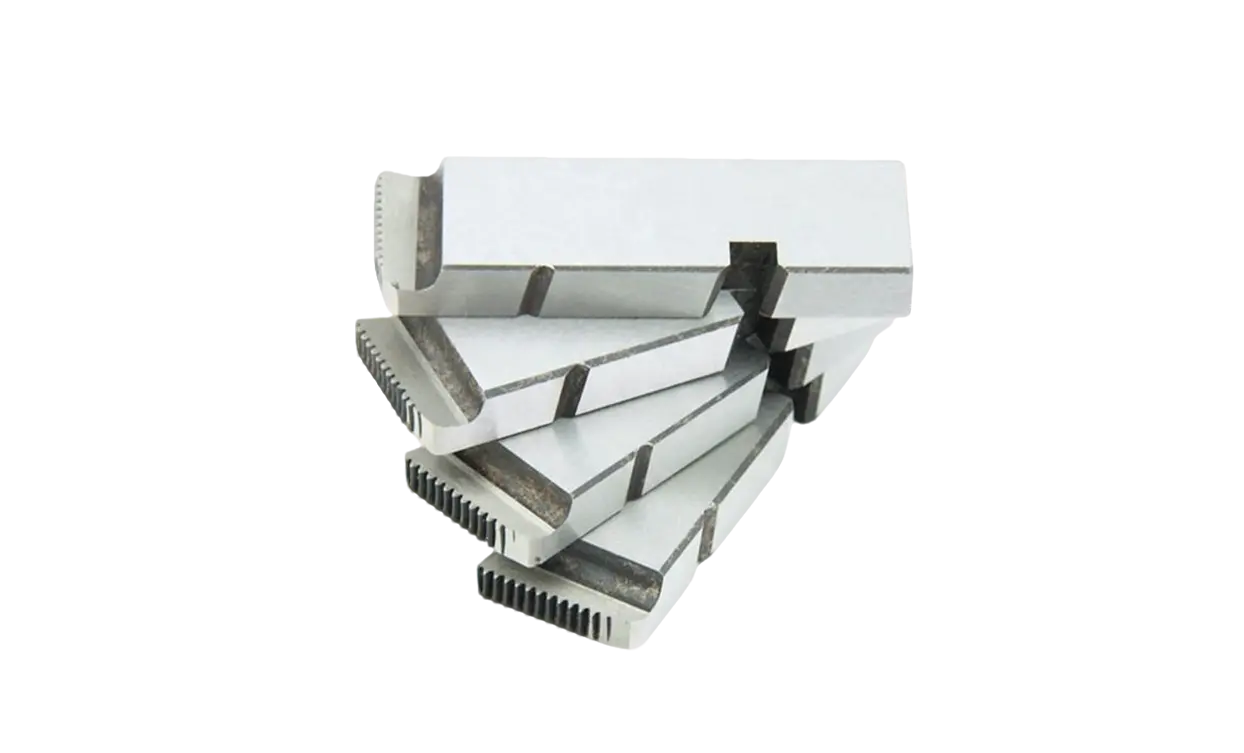
Core Material & Performance: Crafted from high-speed steel (HSS), the threading dies feature excellent hardness, wear resistance and heat resistan...
See Details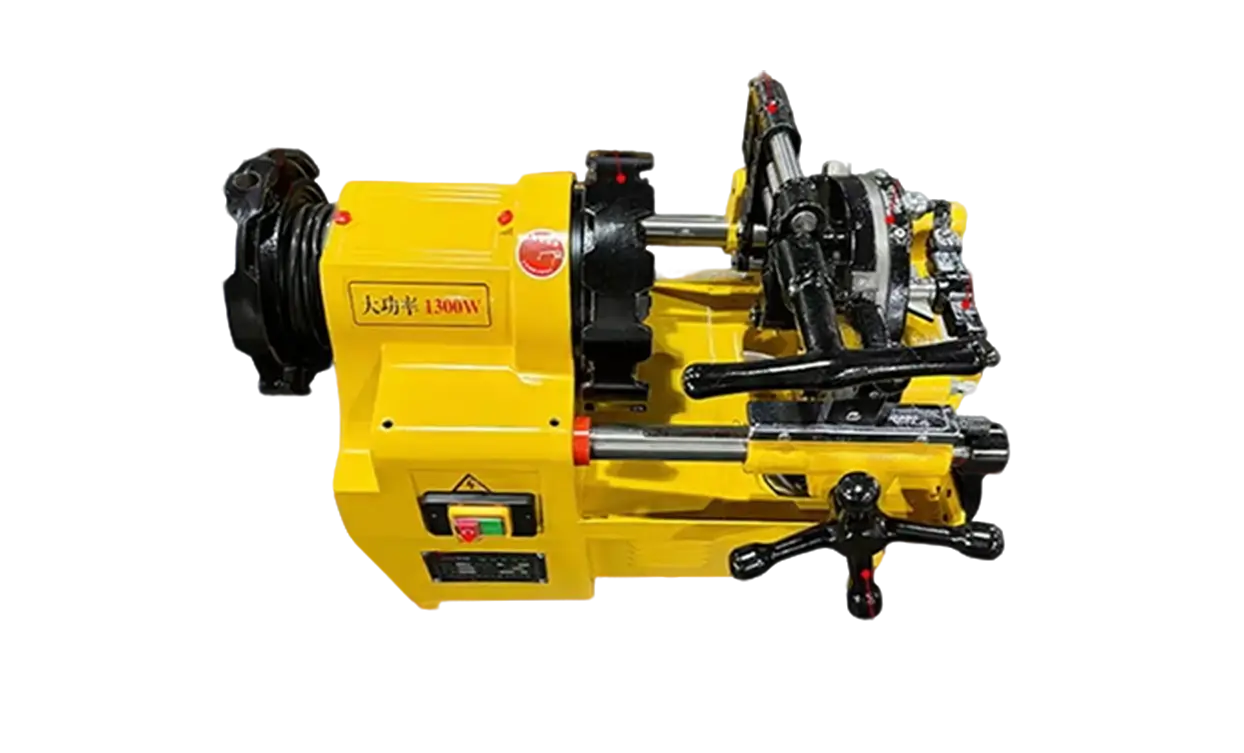
This SQ65 2.5-inch 15-65mm dual-speed electric pipe threading machine is a professional industrial tool engineered for precise pipe threading operatio...
See Details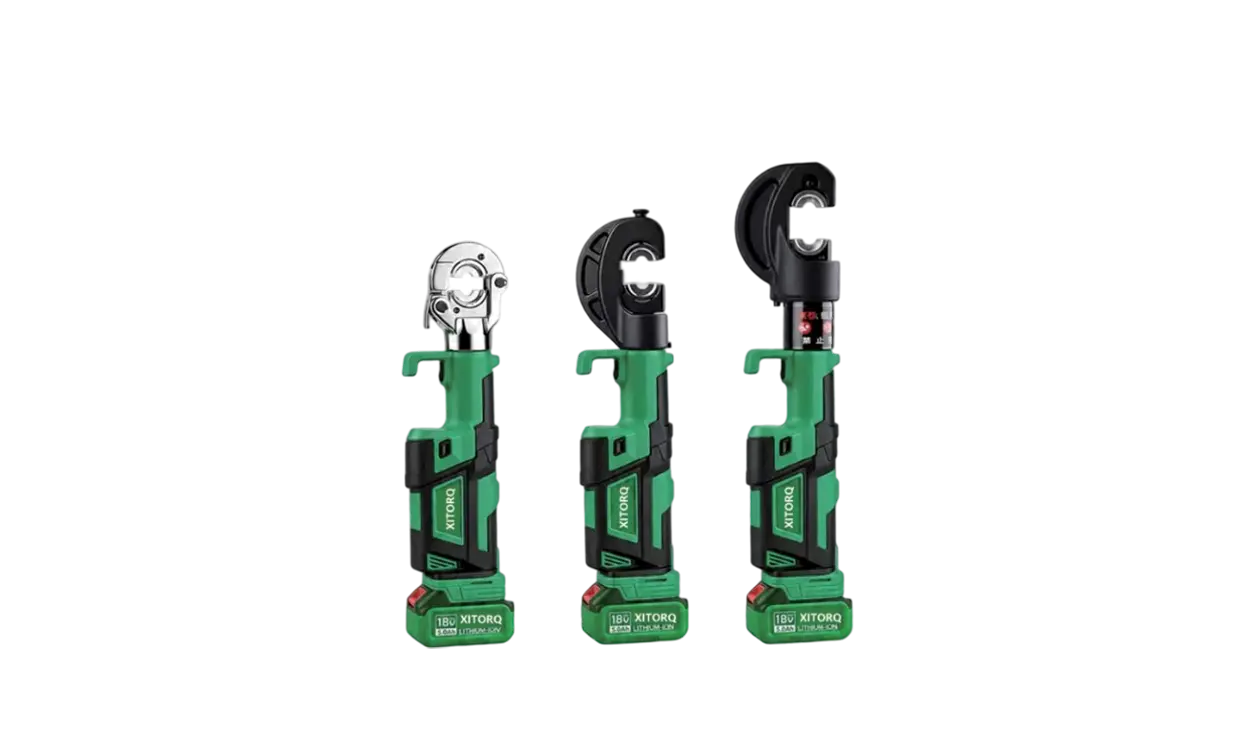
This 18V lithium-ion hydraulic crimping tool is a portable hydraulic tool designed for cable terminal crimping. It features a brushless lithium-ion po...
See Details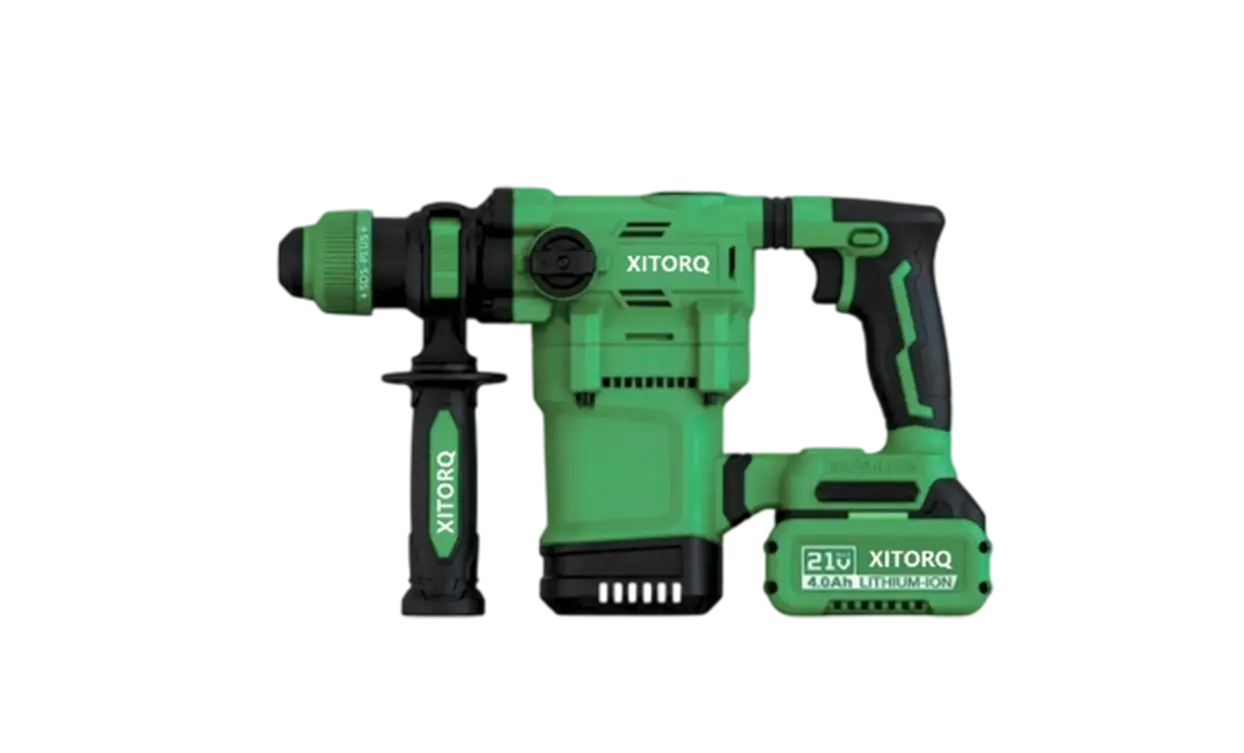
This 21V lithium-ion brushless rotary hammer is an industrial-grade tool designed for drilling and chiseling in concrete, stone, and other hard materi...
See Details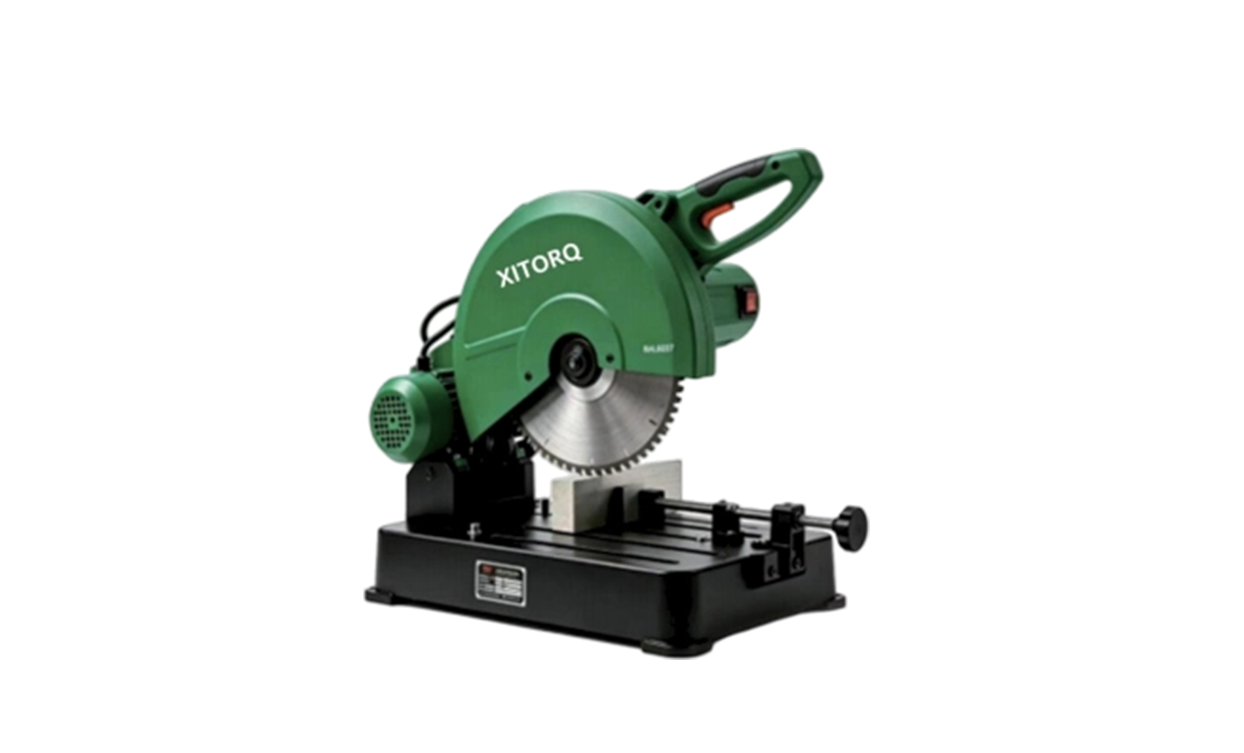
This 220V 14" permanent magnet variable frequency cold saw is an industrial-grade cutting tool designed for metal profile cutting. Featuring a permane...
See Details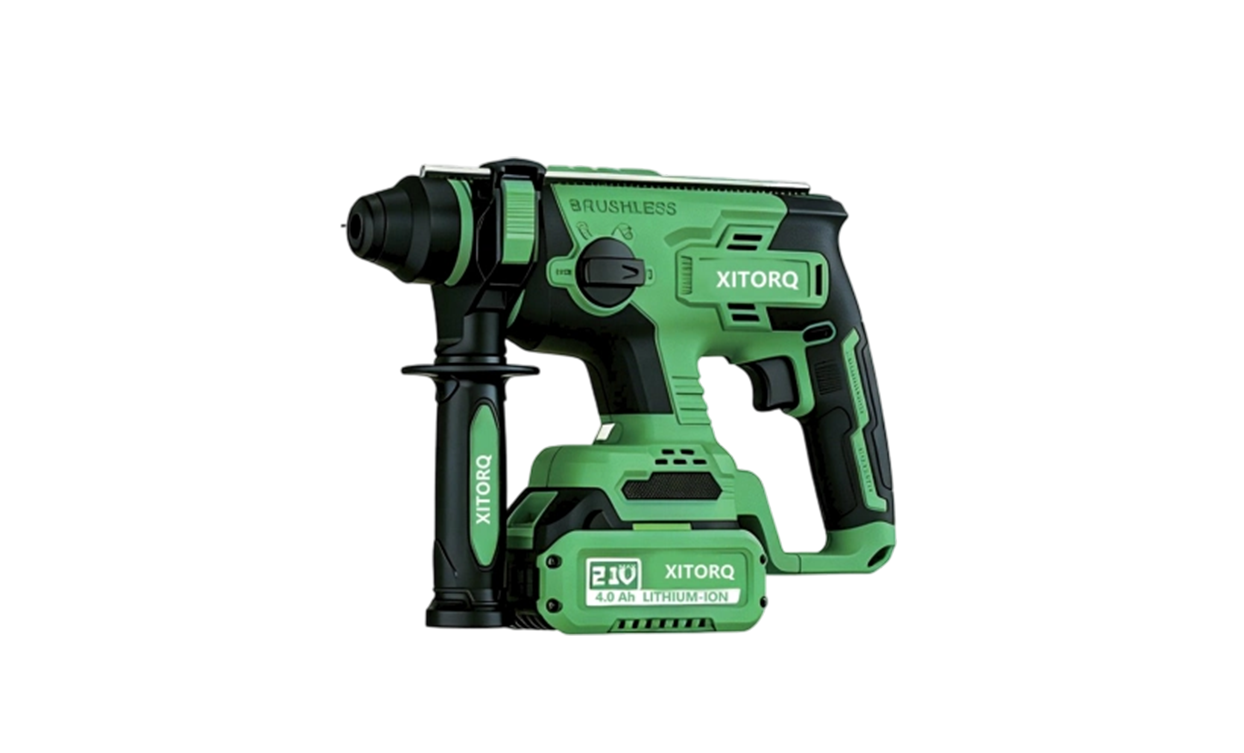
The XJ.709 21V lithium-ion high-magnetic brushless rotary hammer is an industrial-grade hammer from the Xiaojia brand. Equipped with a high-magnetic b...
See Details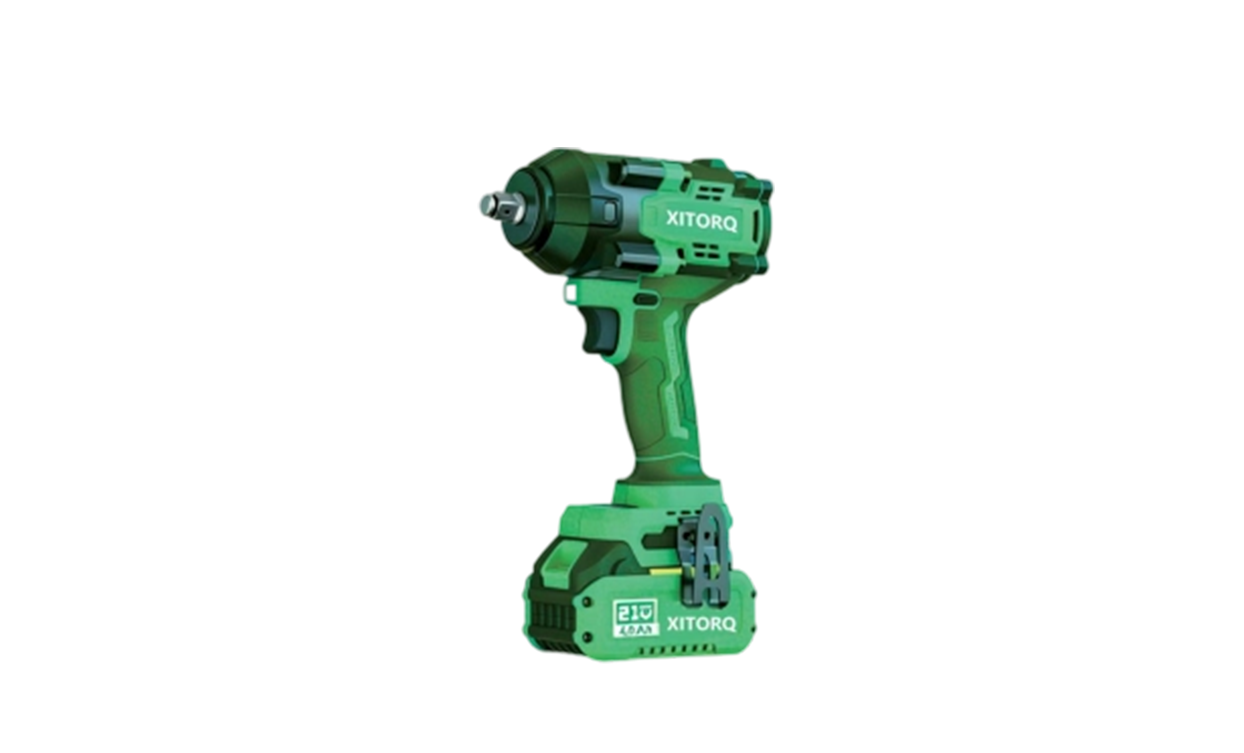
The XJ.570 21V lithium-ion brushless impact wrench is a light industrial-grade tool from the Xiaojia brand. Equipped with a 5220 brushless motor and p...
See Details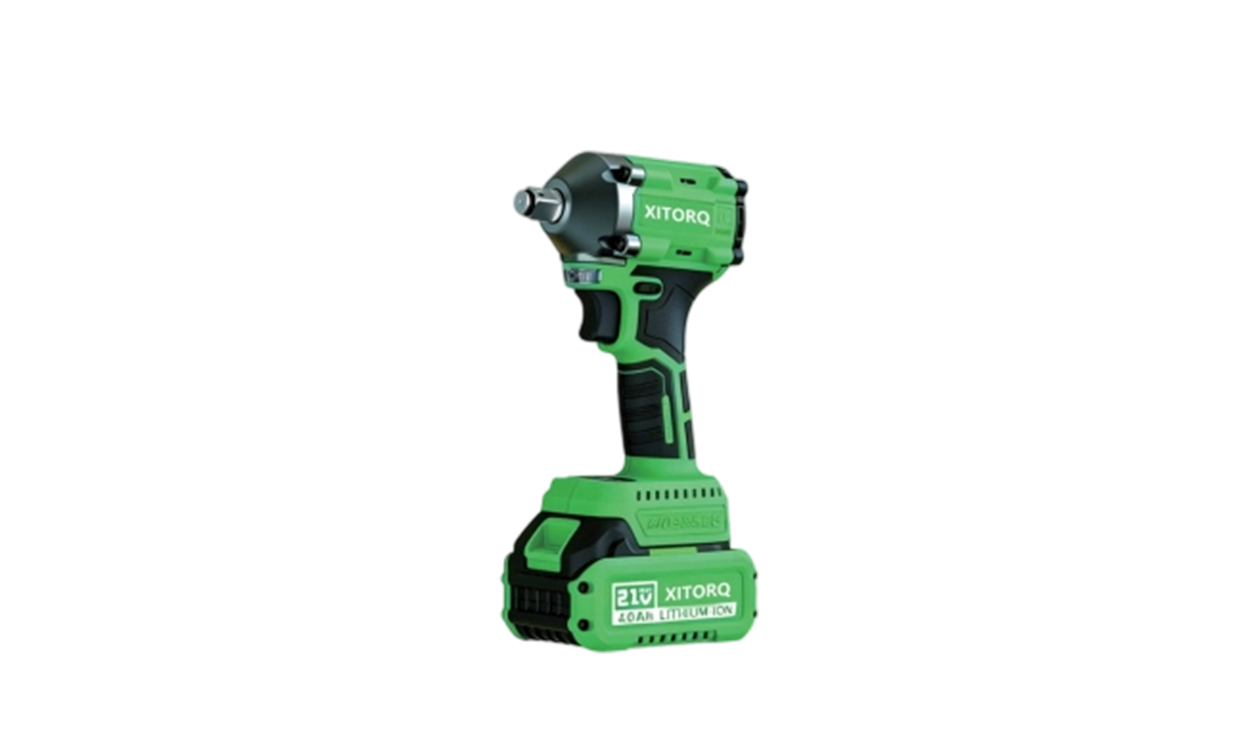
The XJ.533 21V lithium-ion brushless impact wrench is a 21V battery-powered cordless tool from the Xiaojia brand, combining the extended runtime of co...
See Details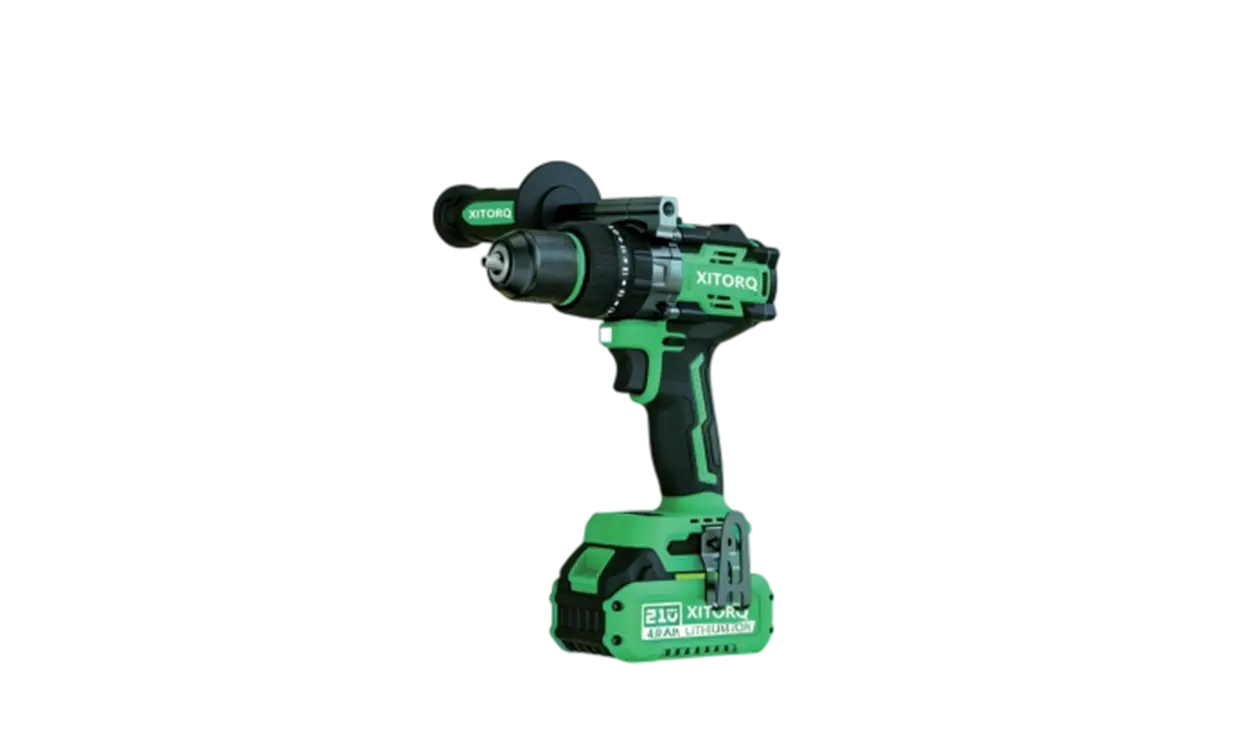
The XJ.615 21V lithium-ion brushless hammer drill/driver is a dual-purpose cordless drill from the Xiaojia brand. Powered by a 21V battery pack for co...
See Details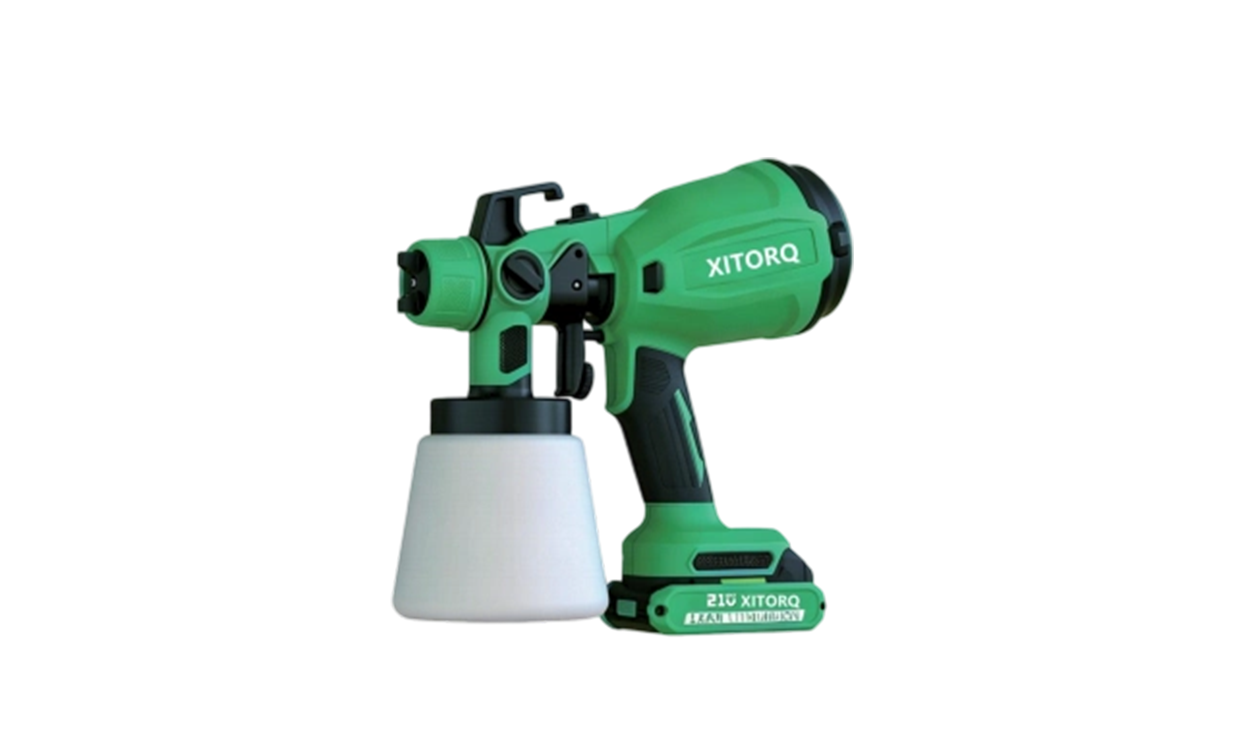
The 21V lithium-ion spray gun MT is an industrial-grade cordless spray gun from the Xiaojia brand. Featuring an upgraded brushless motor with enhanced...
See Details
Copyright © by Hangzhou Xinabo Intelligent Electromechanical Technology Co., Ltd Rights Reserved. Pipe Threaders Manufacturers