
 English
 Español
 عربى
عربى


Intelligent Threading Machine
1. Automatically identify the pipe diameter 2. Automatic tool adjustment and setting 3. Pipe Processing Range: DN15–DN100 4. Threading time as fast ...
See Details
Content
A single worn threading die can derail an entire pipeline installation — producing loose, burr-ridden threads that fail pressure tests and force costly rework. For facilities running continuous high-volume threading operations, choosing the right die design is not a minor detail. It's the difference between consistent throughput and unplanned downtime.
Double-edged threading dies solve the core problem that plagues standard single-edge dies: uneven cutting force and accelerated wear. Understanding how they work — and where they perform best — helps you make a smarter purchasing decision and get more cycles out of every set.
A conventional threading die concentrates all cutting force on one edge per tooth. Over time, that localized stress causes the edge to dull and deform faster, which degrades thread quality before the die has reached its potential lifespan.
Double-edged threading dies use a two-edge cutting structure on each tooth. The cutting load is distributed symmetrically across both edges during every rotation, which reduces peak stress per edge by roughly half. The result is more even wear, longer die life, and a consistent thread surface finish from the first cut to the last — even under the thermal and mechanical demands of continuous industrial use.
This design is particularly effective in automated and semi-automated threading workflows. When a threading machine runs dozens of joints per shift, small inconsistencies in die wear compound quickly. A double-edged structure maintains dimensional accuracy longer, reducing the frequency of die changes and quality inspections mid-operation.
One of the most practical advantages of a well-configured double-edged die set is broad standard coverage. Switching between thread types mid-project — swapping dies and resetting the head — costs time and introduces setup error. A die set that handles all three major industrial thread standards in one configuration eliminates much of that friction.
| Standard | Pitch (mm) | Size Range | Typical Application |
|---|---|---|---|
| BSPT (British) | 1.814 / 2.309 | ½"–¾" / 1"–4" | UK/Asian fire protection, gas pipelines |
| NPT (American) | 1.814 / 2.209 / 3.175 | DN15–DN100 | US-standard plumbing, HVAC, oil & gas |
| Metric | 1 / 1.5 / 2 / 2.5 / 3 | M20–M120 | Mechanical parts, structural fasteners |
This three-standard coverage makes the die set suitable for international projects and cross-spec installations — common in construction and fire engineering where imported fittings mix with locally sourced pipe.
Double-edged dies designed specifically for intelligent threading machines go through a different manufacturing tolerance than general-purpose dies. The die body geometry must match the machine's drophead receptacle and clamping mechanism precisely — even minor dimensional deviation causes vibration, thread deviation, or premature die ejection under load.
Xinabo's double-edged threading die set is precision-machined to fit directly into intelligent threading machine heads with no shimming or manual adjustment. For shops running automated pipe threading equipment that identifies pipe diameter and adjusts tool settings automatically, this fit matters: a loose die disrupts the machine's calibrated cutting parameters and forces manual compensation.
The 4-piece set configuration is practical for field use. Compact packaging means the set can travel to construction sites and be stored in machining center inventory without dedicated tooling carts. When a die set needs replacement, swapping a 4-piece set is faster than sourcing individual dies from separate stock.
Even the best double-edged die eventually wears out. Knowing the signs early prevents the hidden cost of bad threads: failed pressure tests, rejected joints, and rework that can add hours to a job.
To extend service life, apply threading oil consistently and generously. Oil reduces friction heat, which is the primary driver of edge degradation at high cutting speeds. Store dies in the provided case to protect ground surfaces from contact damage between jobs. For shops threading stainless steel or hardened pipe, expect shorter die cycles than with standard carbon steel — plan replacement intervals accordingly.
Not every job demands this die design. For low-volume repair work or occasional maintenance threading, a standard die set may be sufficient. But in the following scenarios, the dual-edge architecture justifies itself quickly:
The choice between double-edged and standard dies comes down to volume and consistency requirements. Ask two questions: How many joints per shift does your operation produce? And what is the cost of a single thread rejection — in rework time, material, and schedule impact?
For operations threading more than 50 joints per shift, or working on pressurized systems where every joint must pass inspection, double-edged dies pay for themselves in reduced replacement frequency and rework avoidance. For lighter-duty use, the economics are thinner but the consistency benefit still applies wherever thread quality is safety-critical.
Machine compatibility is the final check. Always verify the die body dimensions against your threading machine's drophead specifications before ordering. Dies designed for one machine platform rarely fit another without modification — and modification compromises the ground surface that makes precision threading possible. If you're running an intelligent threading machine, look for dies that are explicitly engineered for that platform's operational parameters.
Threading die selection is not glamorous. But it's one of the few choices in a pipeline project where the right call protects every joint downstream.
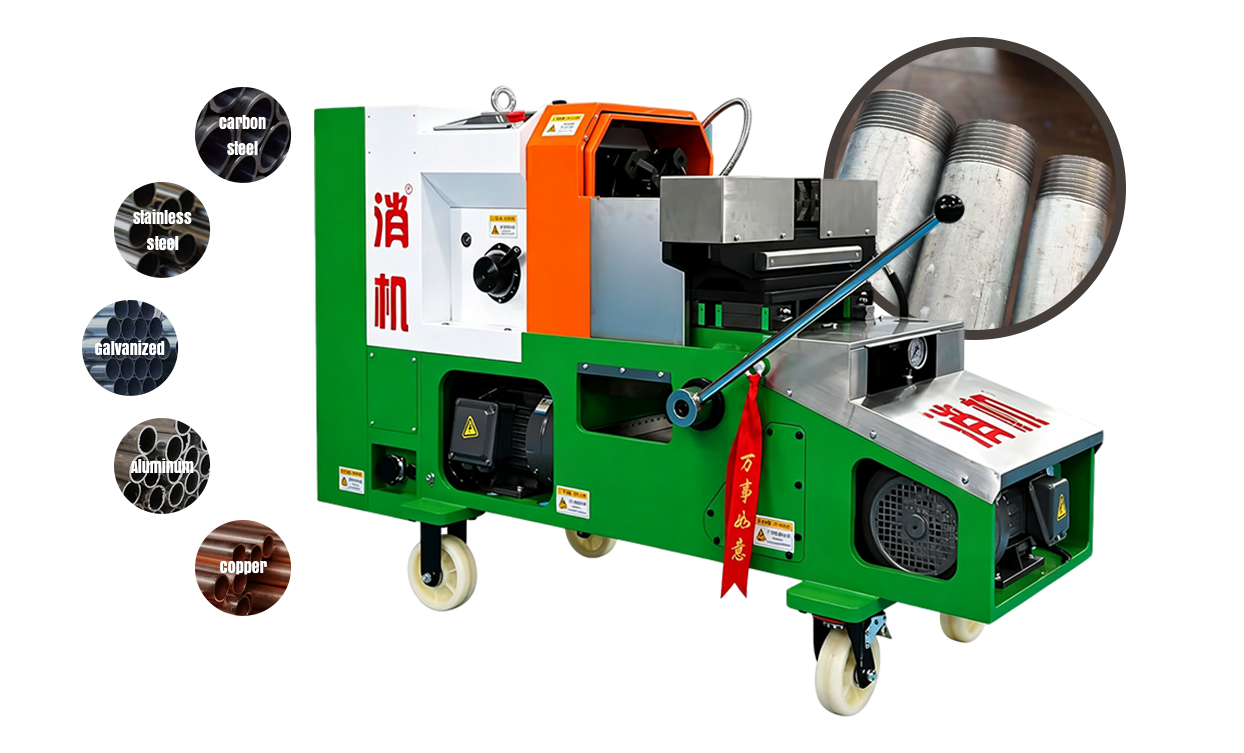
1. Automatically identify the pipe diameter 2. Automatic tool adjustment and setting 3. Pipe Processing Range: DN15–DN100 4. Threading time as fast ...
See Details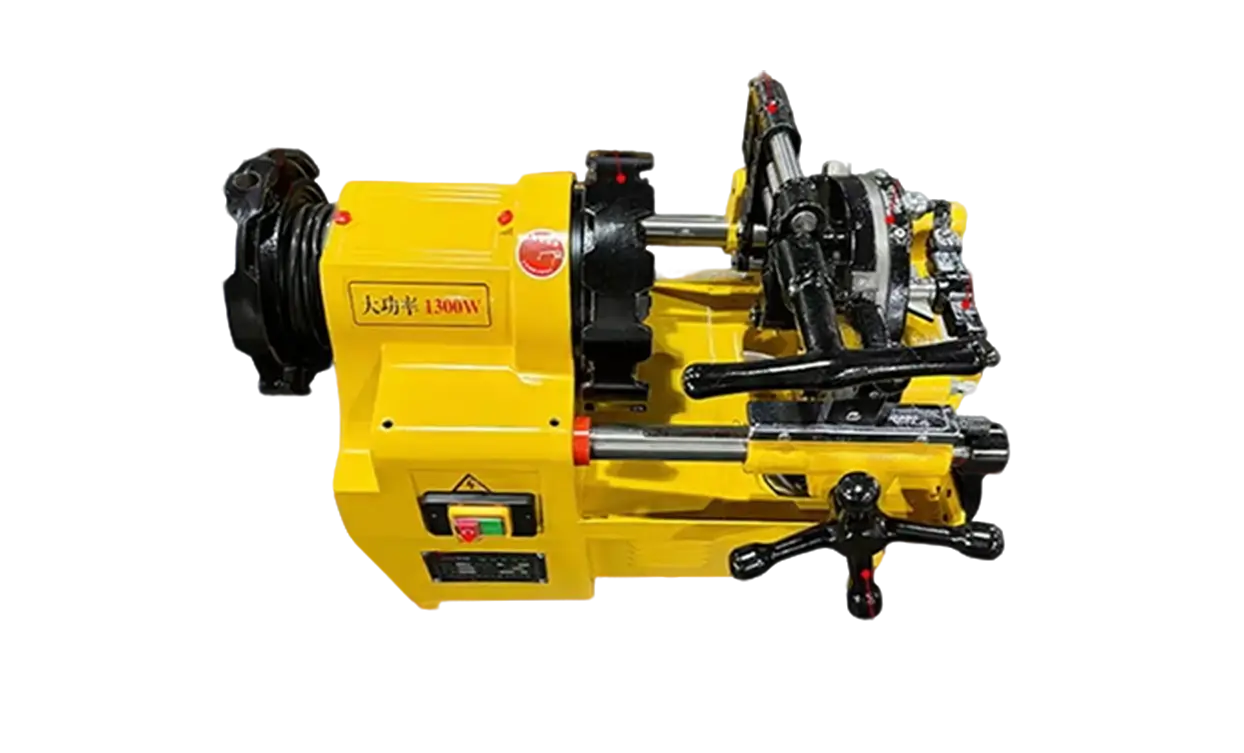
This SQ65 2.5-inch 15-65mm dual-speed electric pipe threading machine is a professional industrial tool engineered for precise pipe threading operatio...
See Details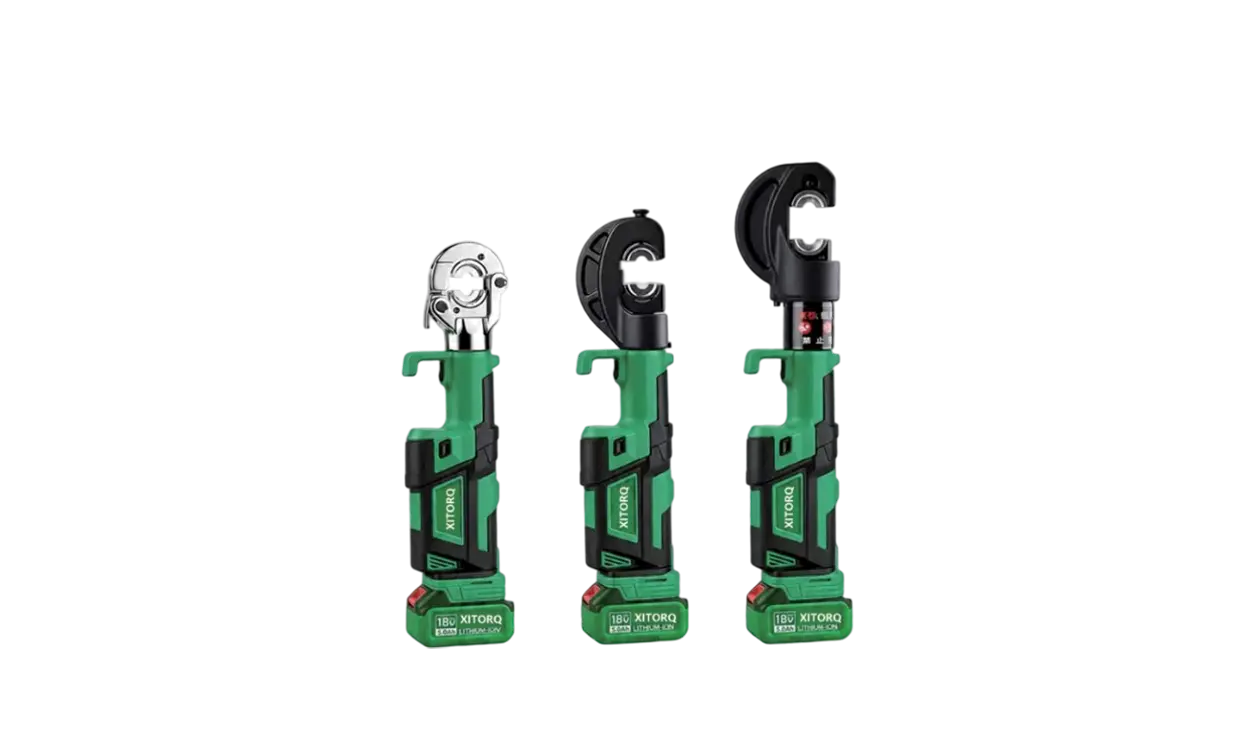
This 18V lithium-ion hydraulic crimping tool is a portable hydraulic tool designed for cable terminal crimping. It features a brushless lithium-ion po...
See Details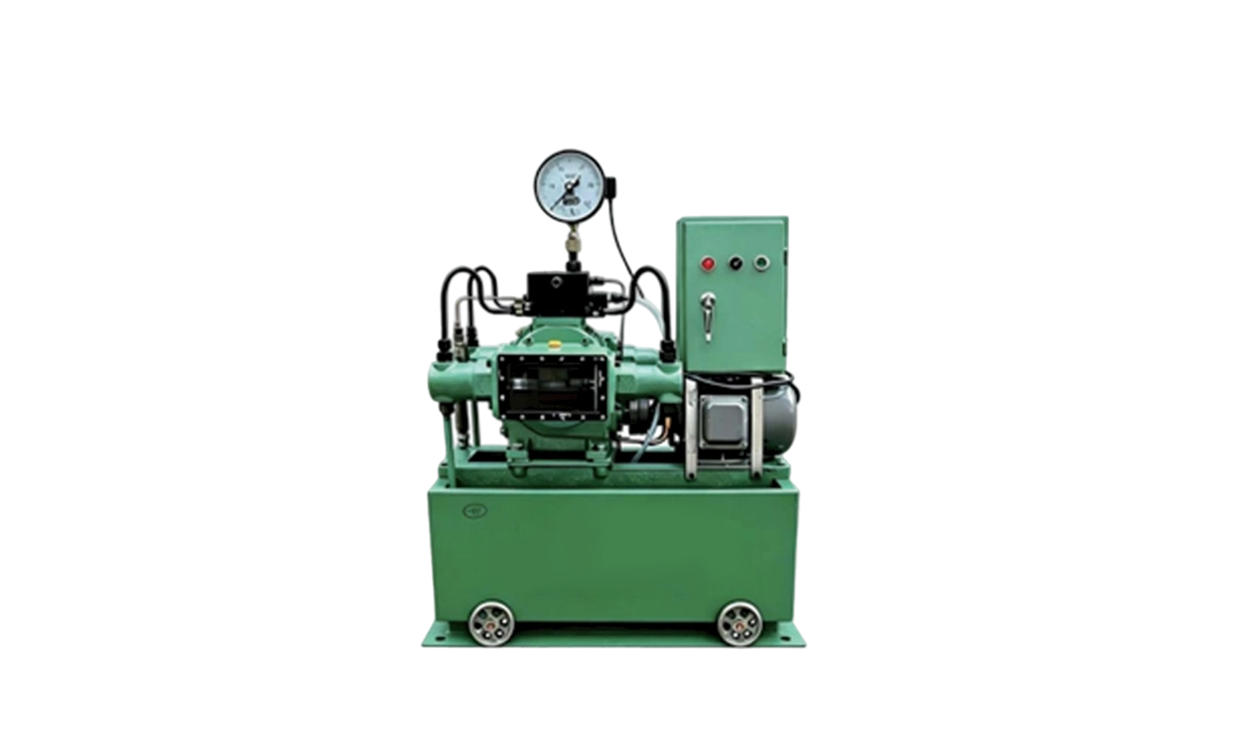
This 380V electric pressure test pump is a professional device designed for hydrostatic pressure testing and leak detection of pipes, valves, pressure...
See Details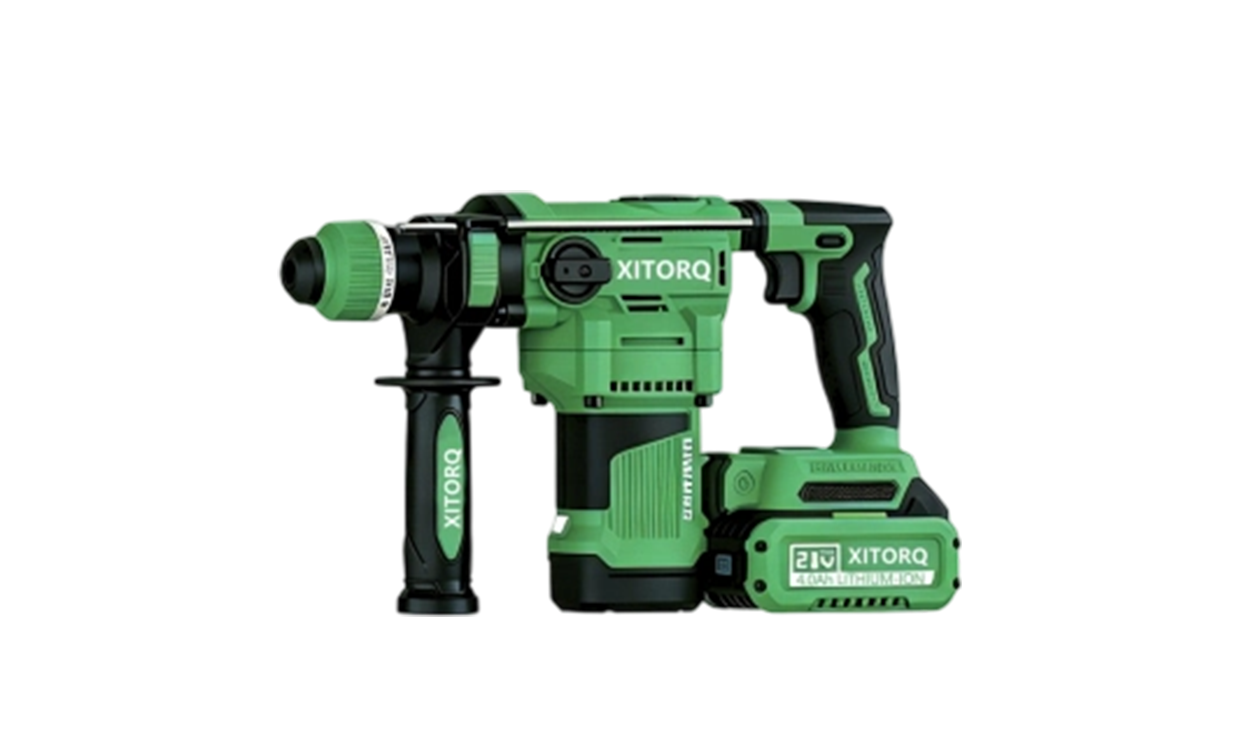
The XJ.728 21V lithium-ion high-magnetic brushless rotary hammer is a heavy-duty industrial-grade hammer from the Xiaojia brand. Featuring an upgraded...
See Details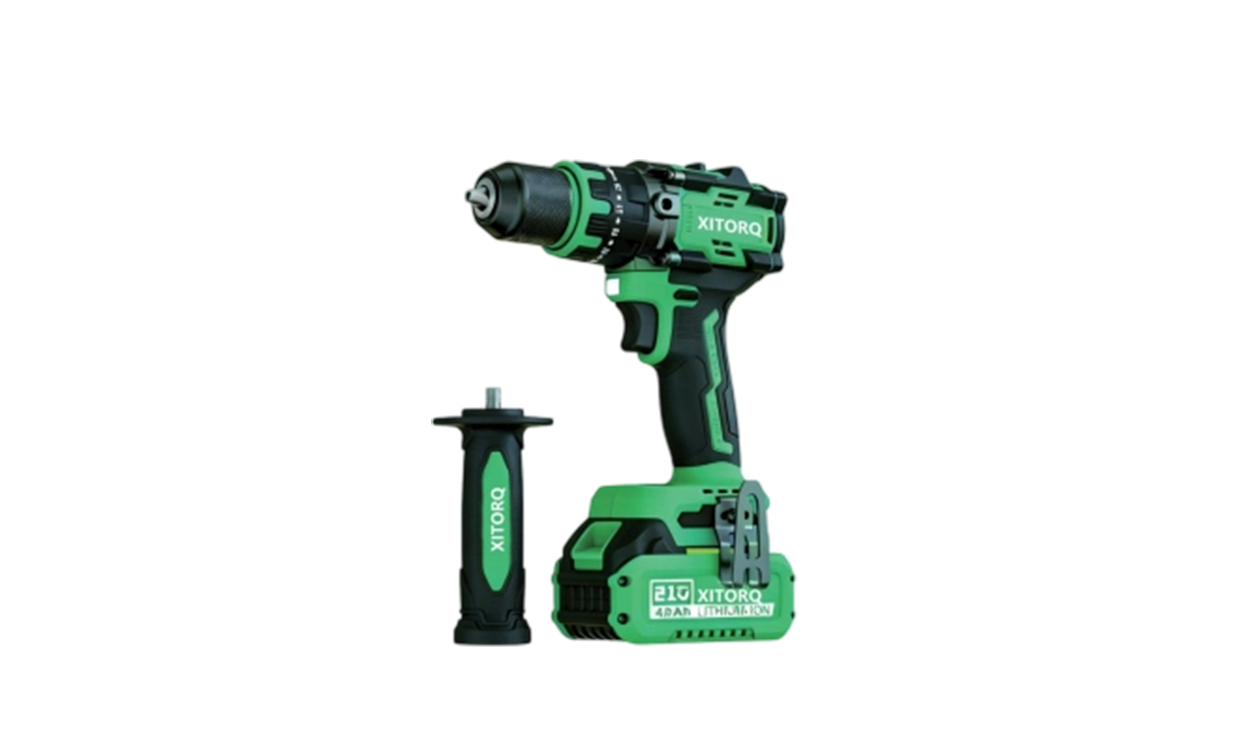
The XJ.608 21V lithium-ion brushless hammer drill/driver is a versatile industrial-grade cordless drill from the Xiaojia brand. Featuring a brushless ...
See Details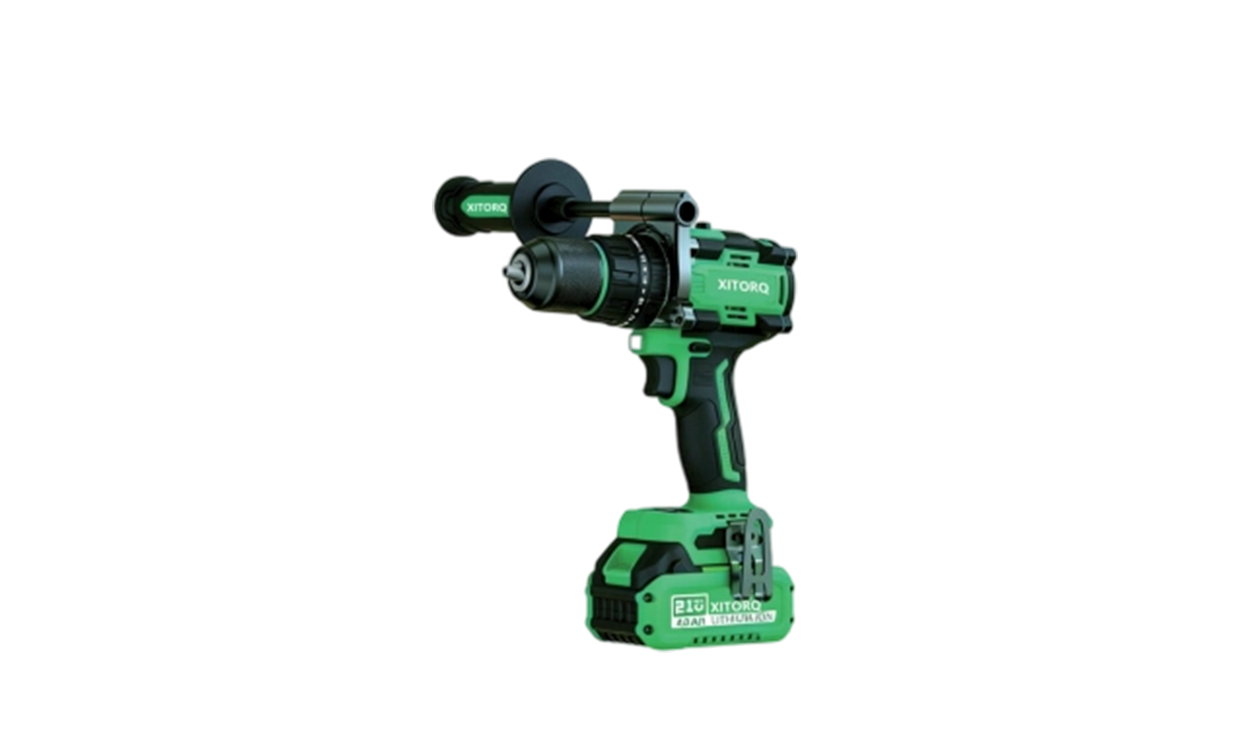
The XJ.617 21V lithium-ion brushless hammer drill/driver is a heavy-duty multi-function drill from the Xiaojia brand. Featuring an upgraded brushless ...
See Details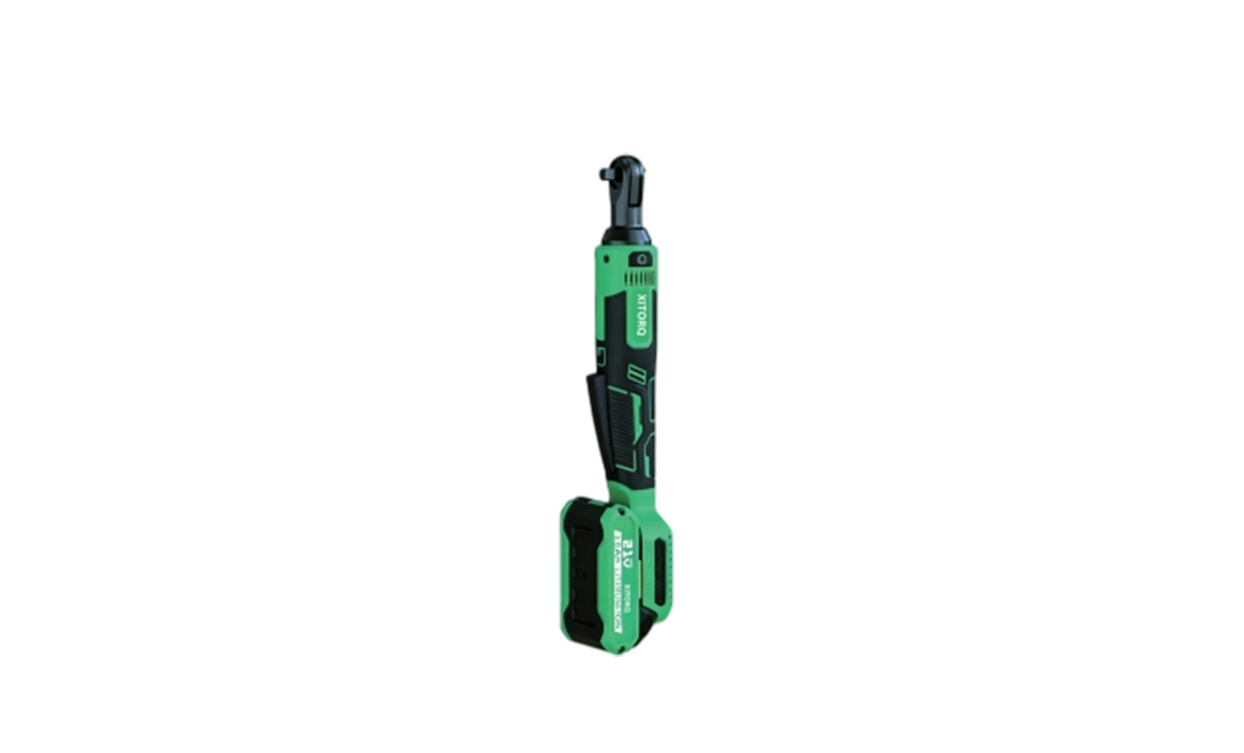
The XJ.592 16V brushless angle ratchet wrench is a compact industrial-grade ratchet from the Xiaojia brand. Equipped with a 16V brushless motor and an...
See Details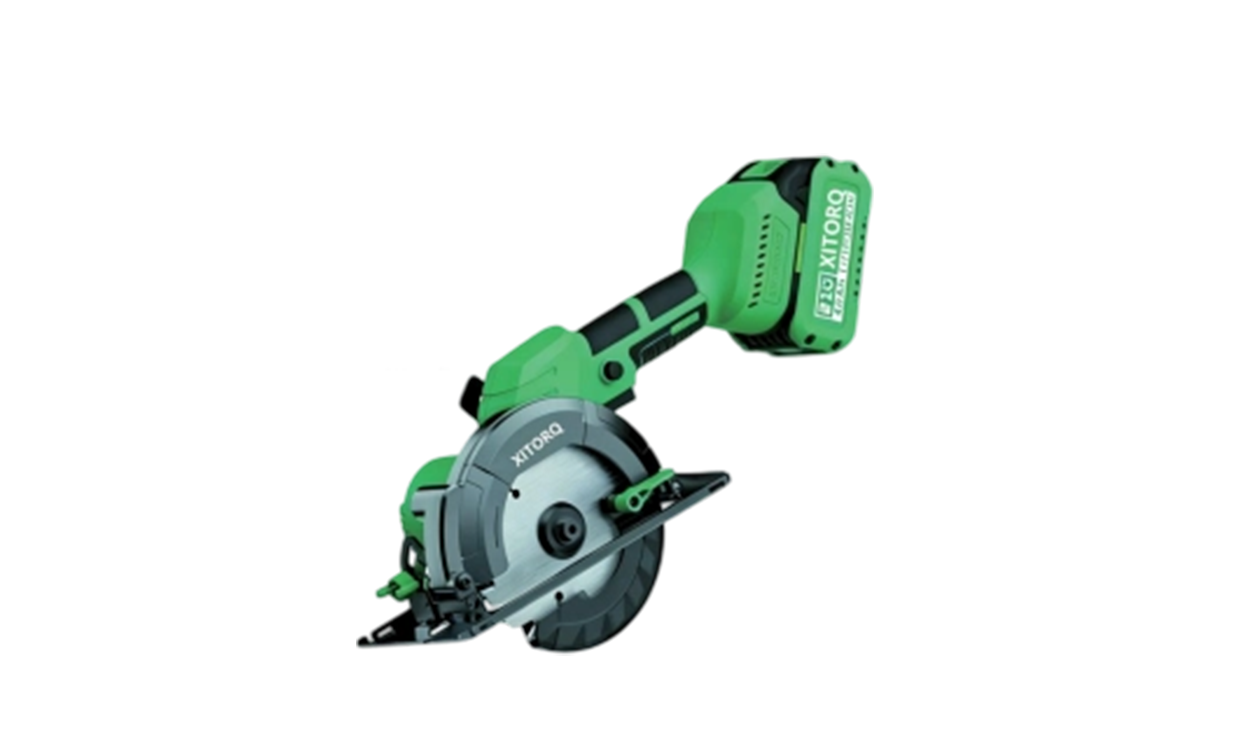
The XJ.853 21V lithium-ion high-magnetic brushless circular saw is an industrial-grade handheld circular saw from the Xiaojia brand. Featuring a high-...
See Details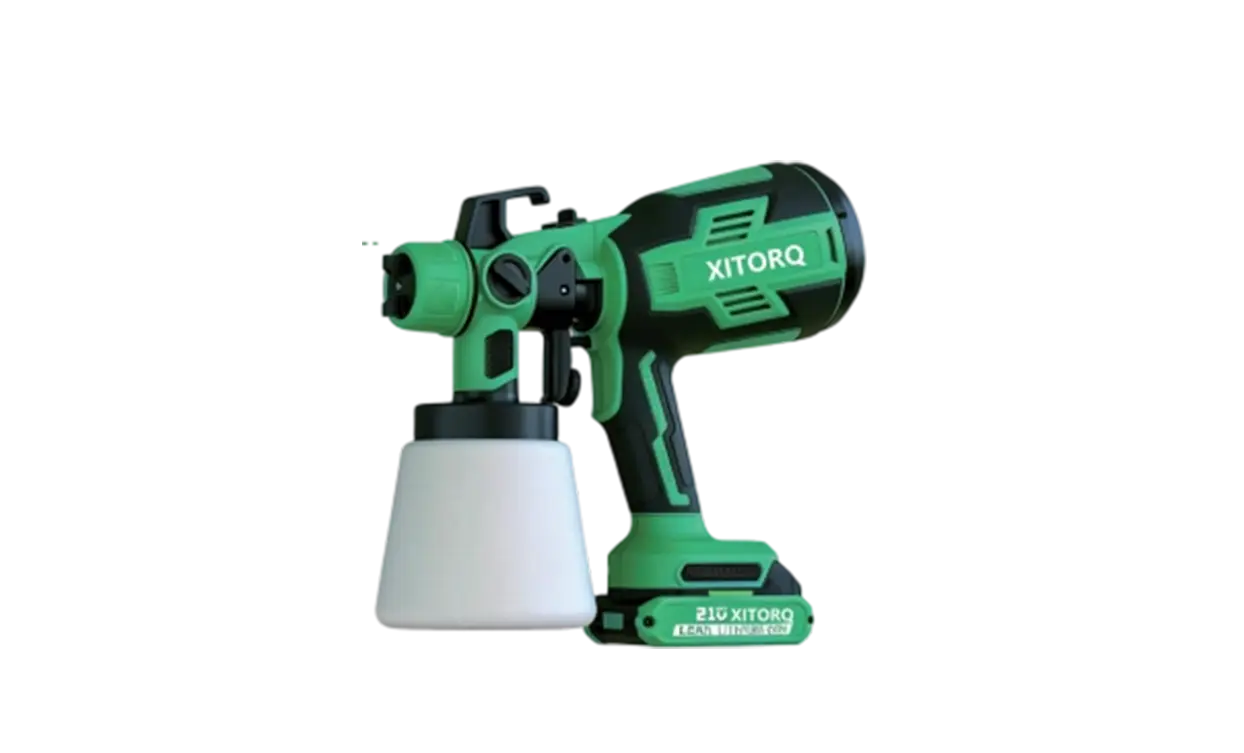
This 21V lithium-ion spray gun (Small Airplane model) is a portable cordless painting tool designed for paint spraying. Powered by a 21V brushless lit...
See Details
Copyright © by Hangzhou Xinabo Intelligent Electromechanical Technology Co., Ltd Rights Reserved. Pipe Threaders Manufacturers
