
 English
 Español
 عربى
عربى


Intelligent Threading Machine
1. Automatically identify the pipe diameter 2. Automatic tool adjustment and setting 3. Pipe Processing Range: DN15–DN100 4. Threading time as fast ...
See Details
Content
A leaking threaded joint on a pressurized fire sprinkler line doesn't just fail inspection — it shuts down an entire floor of a building. The root cause, more often than not, isn't the pipe or the fitting. It's a poorly cut thread produced by worn tooling or an underpowered machine running at the wrong speed. Choosing the right pipe machinery and pipe tools from the start is what separates a reliable pipeline from one that creates callbacks.
Threaded connections are the most common method of joining pipes in construction, HVAC, fire protection, and industrial installations. A correctly formed thread creates a mechanical seal that holds under pressure, vibration, and thermal cycling. A malformed one — shallow depth, inconsistent pitch, torn crest — will weep from day one or fail under load.
The precision of a thread is set at the machine level. Manual dies can produce acceptable threads on small-diameter pipe, but once you're working at volume — 1,500 to 2,000 connections per shift on a commercial jobsite — consistency drops and fatigue errors accumulate. That's the gap that dual-speed electric pipe threading machines are built to close.
Modern electric threading machines handle pipe diameters from 15mm to 100mm, cover carbon steel, galvanized pipe, stainless steel, and aluminum, and can produce a compliant thread in as little as 4 seconds on standard 15–25mm pipe. That output is consistent at hour one and hour eight — something no manual process can guarantee.
A functional pipeline workstation on a construction site typically combines three categories of machinery: threading, cutting, and compressed air for tooling support.
Threading machines are the centerpiece. A dual-speed design matters here — low speed for larger-diameter pipe that requires more torque, high speed for smaller-diameter work where throughput is the priority. Machines that support both NPT and BSP thread standards without retooling are particularly valuable on international projects where specifications vary by client and region.
Before any thread is cut, the pipe needs a square, clean end. A frequency conversion metal cold cutting saw delivers exactly that — burr-free cuts without the heat distortion that angle grinders introduce. Heat-affected zones on the end of a pipe compress and distort the material just enough to throw off thread geometry. Cold cutting eliminates this variable entirely.
For operations that involve pneumatic tooling or need clean compressed air for threading lubrication systems, an oil-free piston air compressor removes contamination risk from the air supply. In food processing plants, pharmaceutical facilities, or any environment with cleanliness requirements, this matters more than most buyers initially anticipate.
The threading machine provides the motion and the torque. The die is what actually forms the thread — and die quality directly sets the ceiling on what the machine can produce.
Two die types cover most professional applications. High-speed steel threading dies are the standard choice for carbon steel and galvanized pipe. HSS holds a sharp cutting edge across extended production runs and tolerates the heat generated in continuous threading operations without losing geometry. They're the workhorse option for construction and plumbing contractors.
For operations where die replacement frequency and cost per thread are being managed closely, double-edged threading dies for extended service life offer a practical advantage: two usable cutting edges per die set. When one edge dulls, the die is flipped rather than replaced, effectively doubling the number of threads produced before a new set is needed. On a high-volume site, that adds up quickly.
Die maintenance is straightforward but non-negotiable: clean dies after each session, inspect cutting edges before production runs, and never force a die through material at the wrong speed. A damaged die doesn't just produce bad threads — it can jam in the machine and damage the die head.
Selecting machinery without knowing your material and diameter range is one of the most common procurement mistakes in pipeline work. Here's a practical decision framework:
Thread standard compliance is also non-negotiable before procurement. Confirm whether the project specifies NPT (American), BSP (British), or metric threads, and verify that both your machine and die sets support that standard. Mixing standards is a guaranteed source of leaks regardless of threading quality.
Pipeline connection quality is determined before the first fitting goes on — at the point where the thread is cut. Investing in capable pipe machinery, correctly matched threading dies, and clean-cut pipe ends eliminates the three most common causes of threaded joint failure. Spec the equipment to your material and diameter range, maintain your dies on schedule, and the connections will hold.
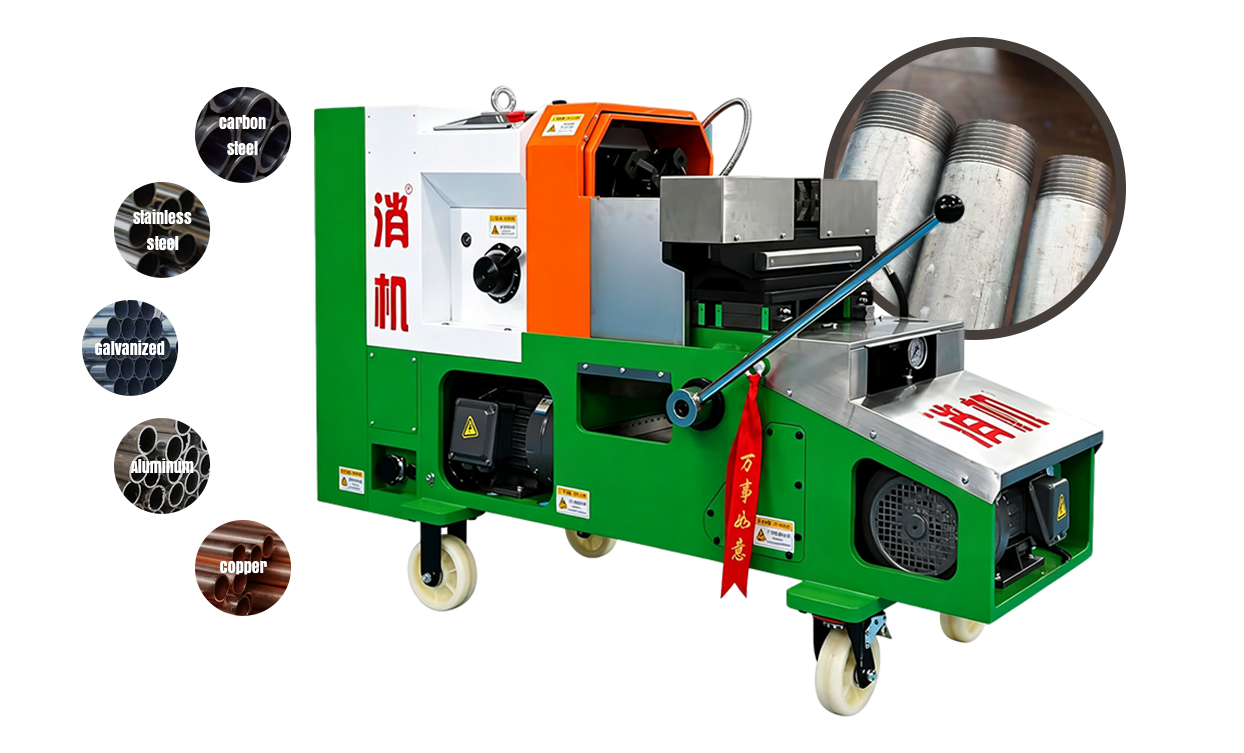
1. Automatically identify the pipe diameter 2. Automatic tool adjustment and setting 3. Pipe Processing Range: DN15–DN100 4. Threading time as fast ...
See Details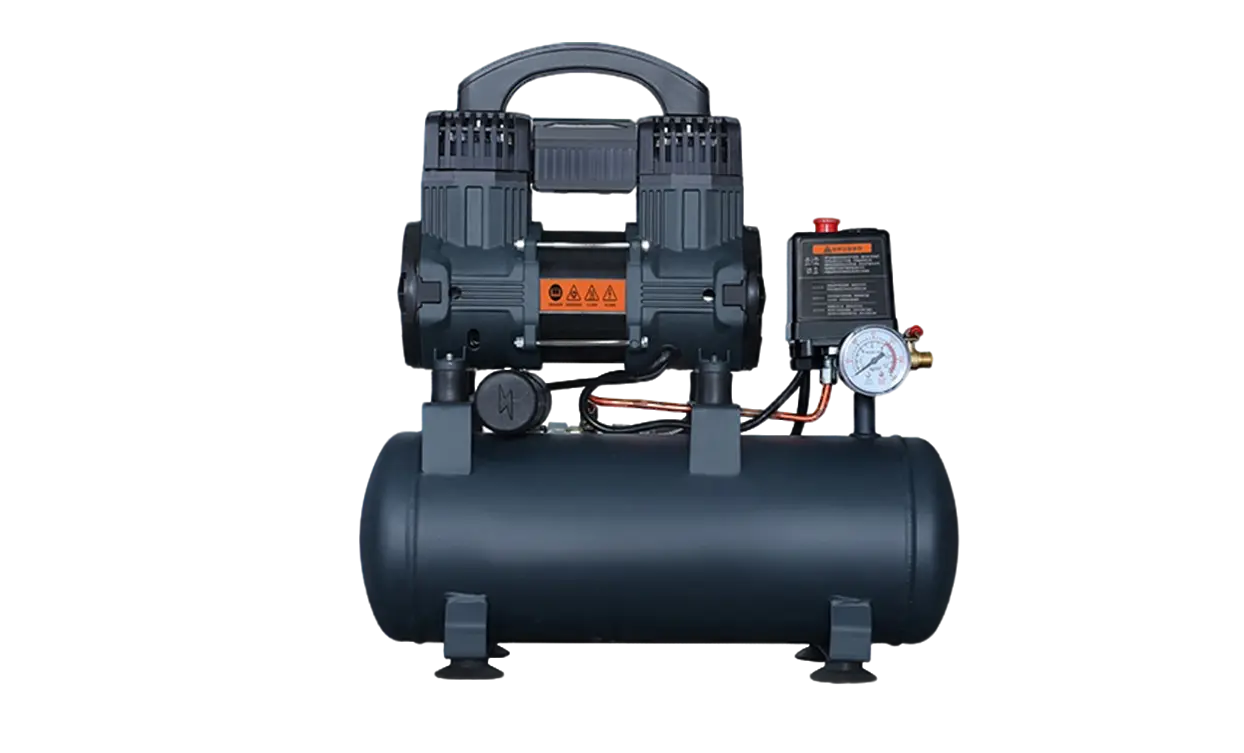
The F1200 Series Air Compressor is engineered for reliable, cost-effective compressed air supply, core to which are its high-efficiency oil-free desig...
See Details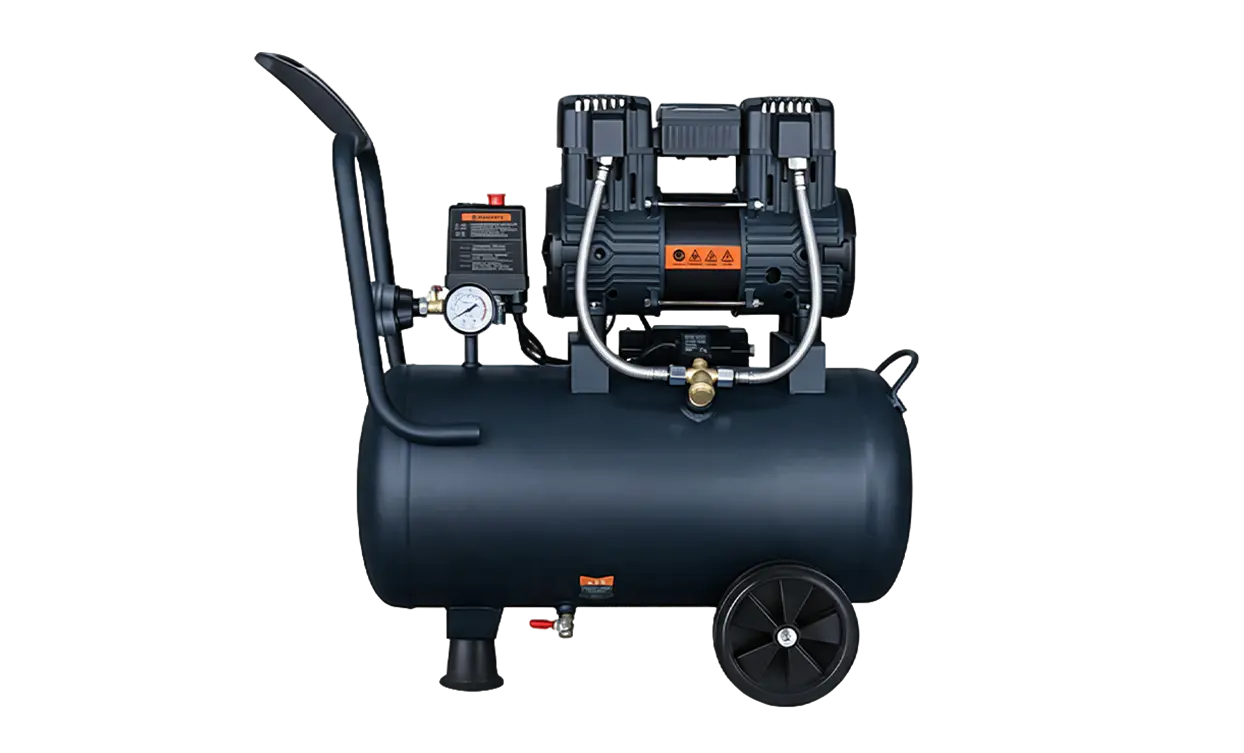
The F1680 Series Air Compressor is engineered for stable and efficient air supply, featuring core technologies of multi-cylinder compression, rapid ai...
See Details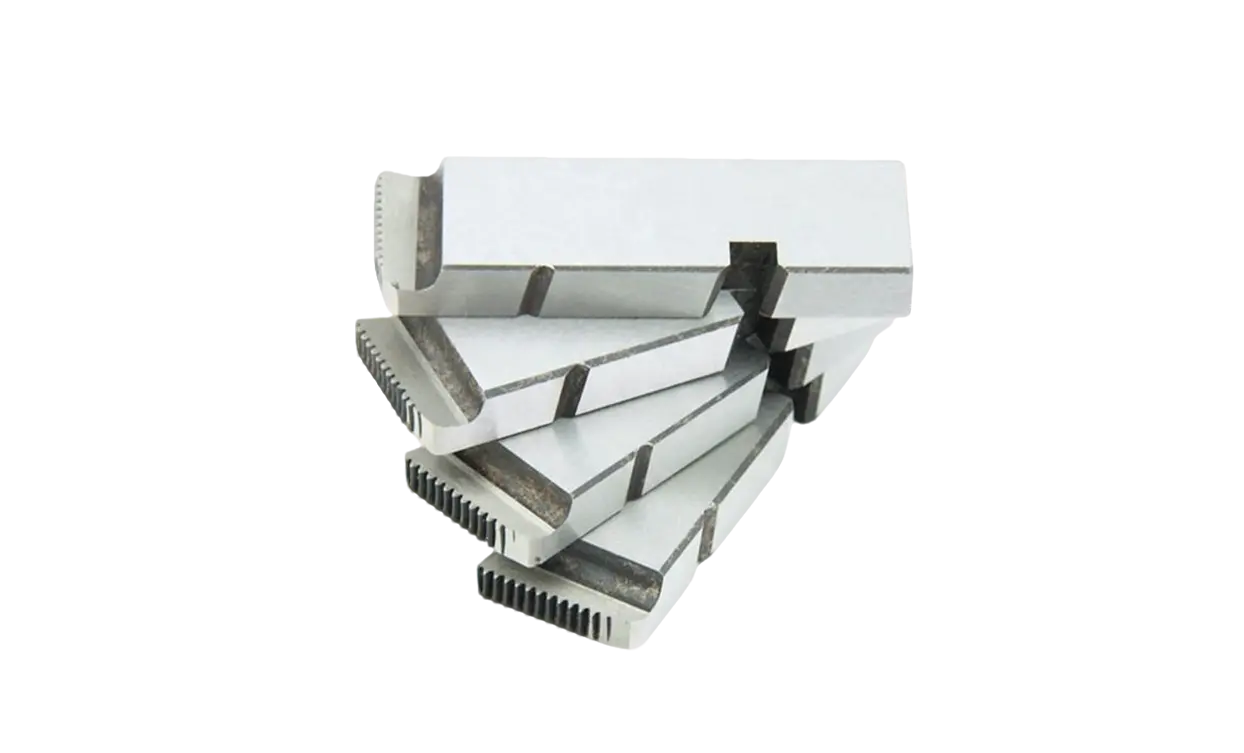
Core Material & Performance: Crafted from high-speed steel (HSS), the threading dies feature excellent hardness, wear resistance and heat resistan...
See Details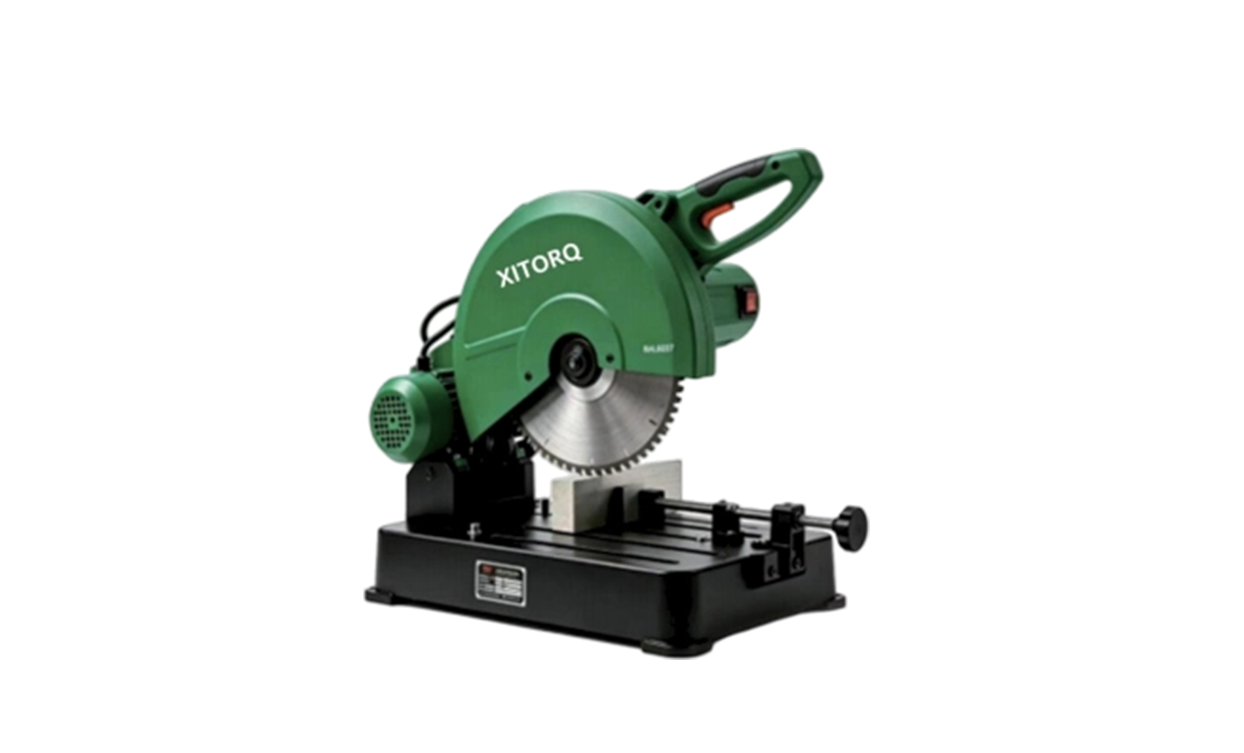
This 220V 14" permanent magnet variable frequency cold saw is an industrial-grade cutting tool designed for metal profile cutting. Featuring a permane...
See Details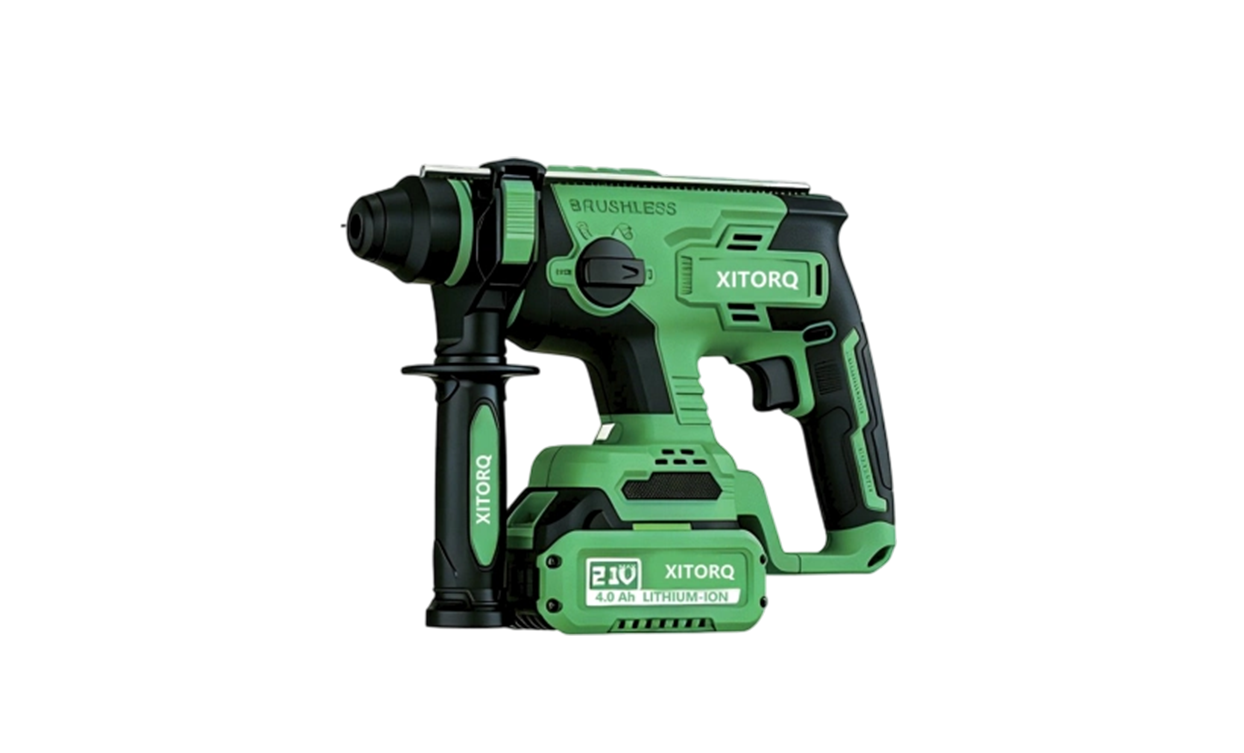
The XJ.709 21V lithium-ion high-magnetic brushless rotary hammer is an industrial-grade hammer from the Xiaojia brand. Equipped with a high-magnetic b...
See Details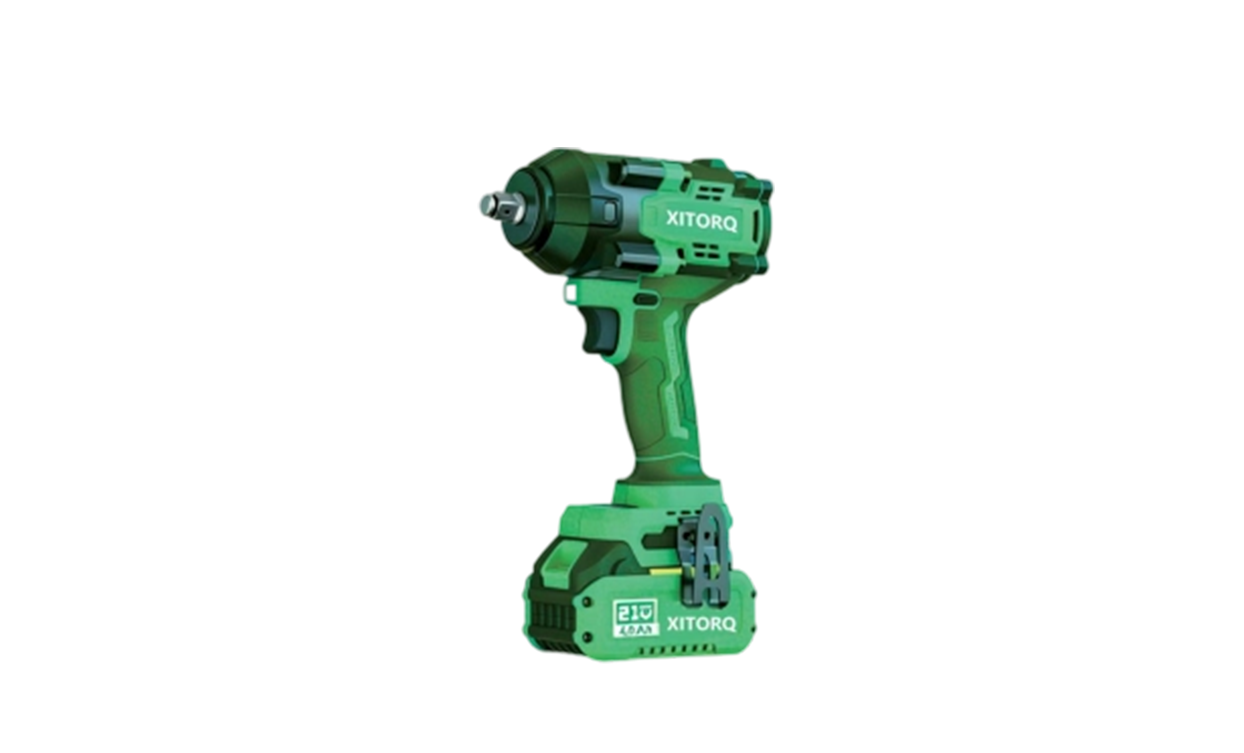
The XJ.570 21V lithium-ion brushless impact wrench is a light industrial-grade tool from the Xiaojia brand. Equipped with a 5220 brushless motor and p...
See Details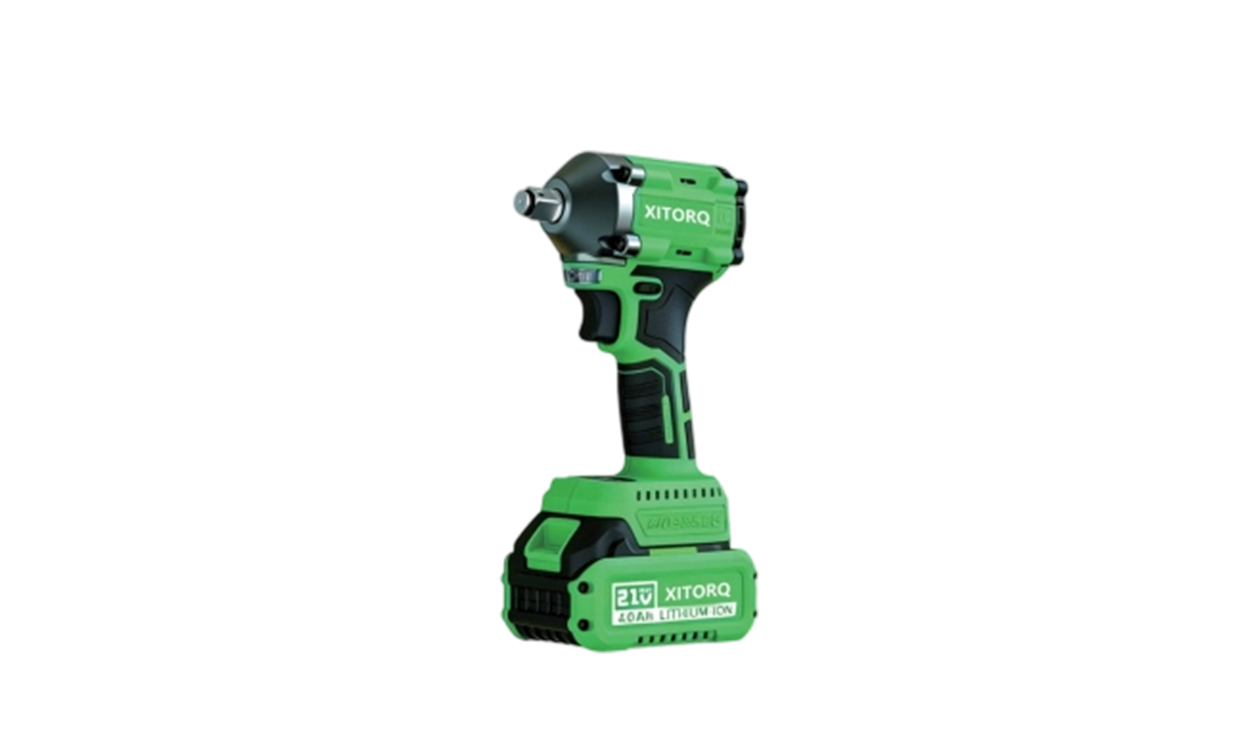
The XJ.533 21V lithium-ion brushless impact wrench is a 21V battery-powered cordless tool from the Xiaojia brand, combining the extended runtime of co...
See Details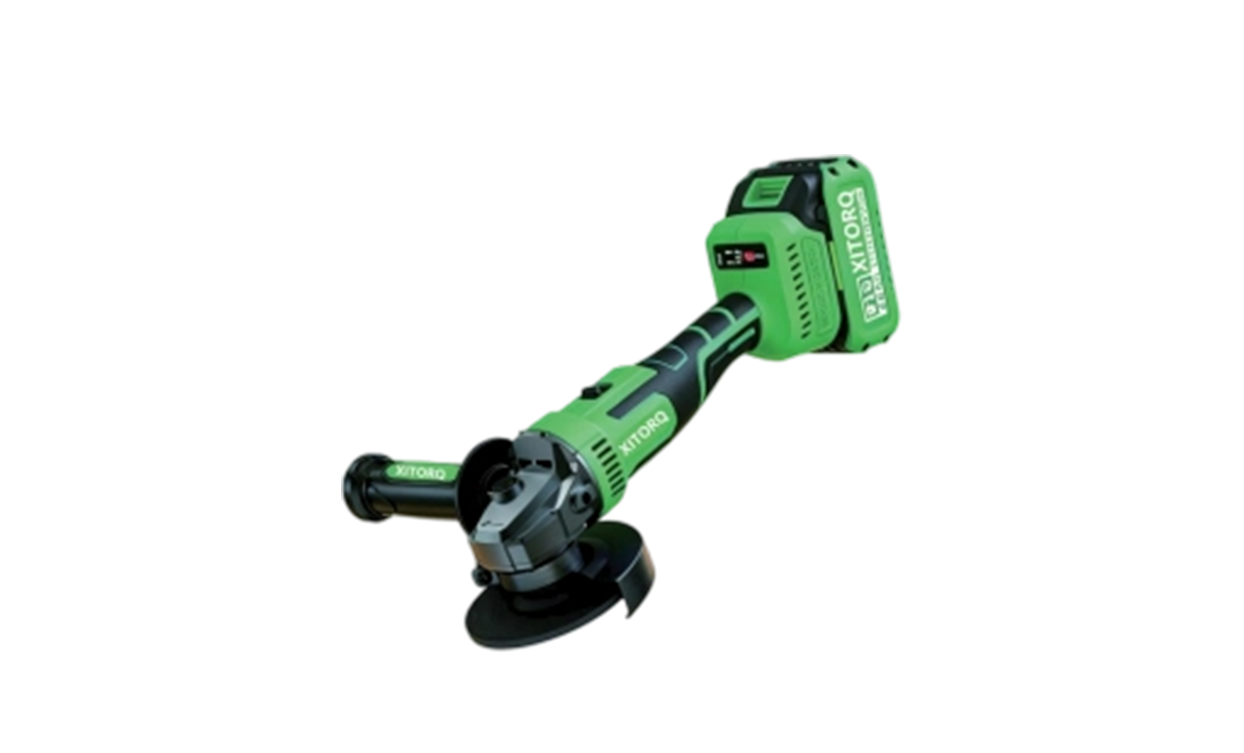
The XJ.908 21V lithium-ion high-magnetic brushless angle grinder is an industrial-grade grinder from the Xiaojia brand. Featuring a high-magnetic brus...
See Details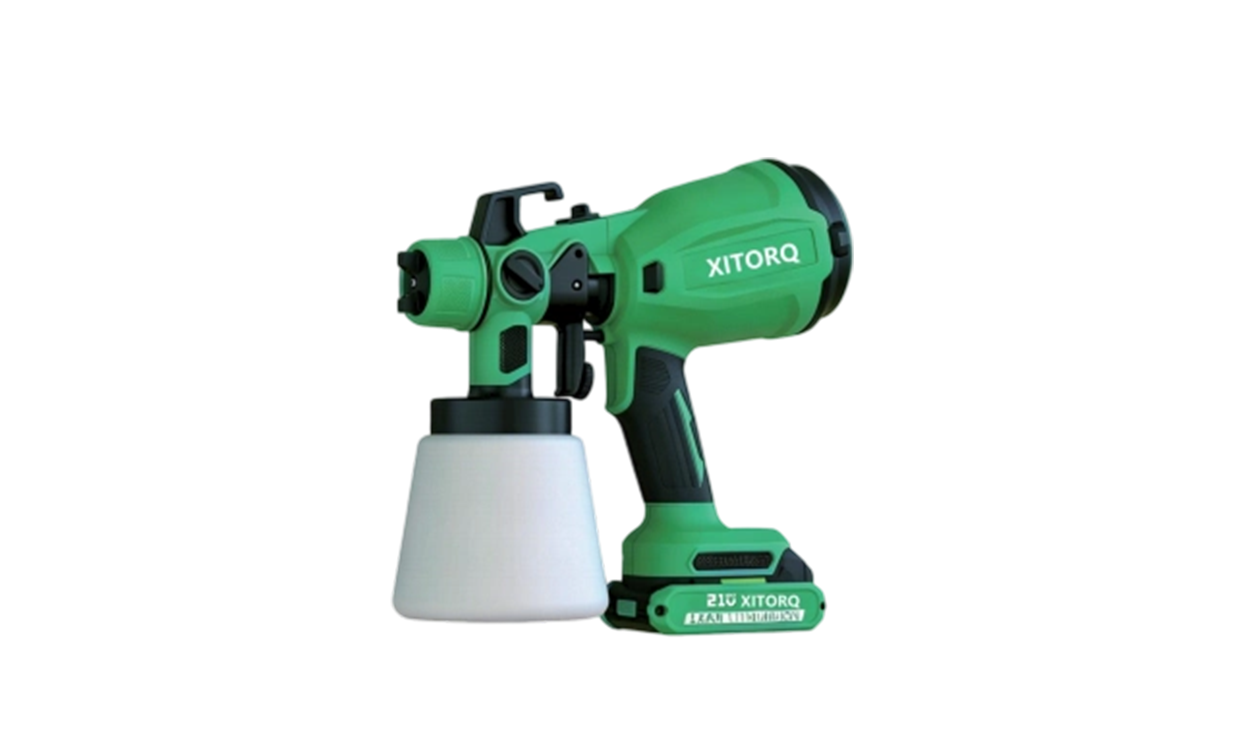
The 21V lithium-ion spray gun MT is an industrial-grade cordless spray gun from the Xiaojia brand. Featuring an upgraded brushless motor with enhanced...
See Details
Copyright © by Hangzhou Xinabo Intelligent Electromechanical Technology Co., Ltd Rights Reserved. Pipe Threaders Manufacturers
