
 English
 Español
 عربى


F1200 Series Air Compressor
The F1200 Series Air Compressor is engineered for reliable, cost-effective compressed air supply, core to which are its high-efficiency oil-free desig...
See Details
Content
Most 1/4 inch thread failures we see on site are not tap quality problems. They are hole-size problems, thread-standard problems, or lubrication problems. The fundamentals below are the same checks our own threading machine operators run on small fittings before a pressure test.
A 1/4 pipe thread tap cuts an internal tapered pipe thread to one specific standard: 1/4-18 NPT in North America, or 1/4 BSPT and 1/4 BSPP in most other markets. It is not a 1/4-20 UNC bolt tap, and the two are not interchangeable even though the drill charts look similar at a glance.
NPT taps cut a 60 degree thread form with a 1:16 taper on diameter, so the thread shrinks by roughly 1.6 mm for every 25 mm of length. At the gauge plane, a 1/4 NPT thread measures 0.540 in across the crests, and the standard allows only about 5.8 mm of hand-tight engagement before the fitting seats. Tapered threads seal by wedging metal against metal plus a sealant. They are not a compression joint, and they do not seal on a shoulder.
The external half of the same joint is cut with a die rather than a tap, and in a production shop that means a die head on a threading machine or a set of machine dies matched to the pipe material.
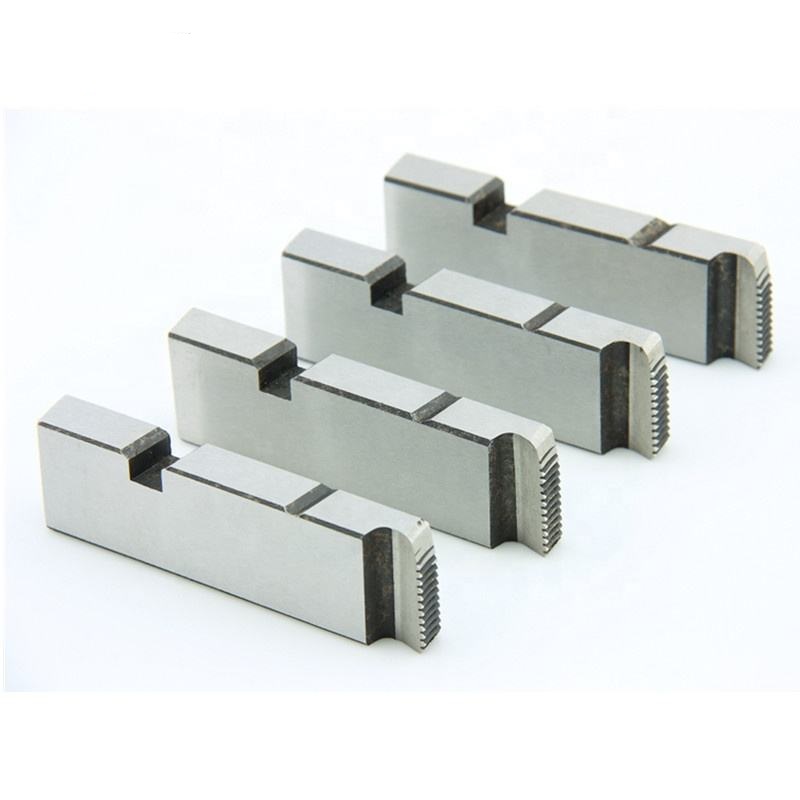 High-Speed Steel Pipe Threading Dies for Electric MachinesFour-piece HSS die sets for electric threading machines, available in BSPT and NPT variants and three pipe-size ranges for standard tapered threads.View Product →
A 1/4 NPT tap cuts 18 threads per inch while both BSP families cut 19, and that single thread difference is why mixed fittings pass a hand test and fail a pressure test. The forms also use different thread angles: 60 degrees for NPT, 55 degrees for BSP.
Field identification is simple if you carry a rule. Lay a scale along the thread and count crests over one inch: 18 means NPT or NPS, 19 means BSP. A 1/4 NPT male fitting will usually start two or three turns into a BSPT female before it binds, which is just enough engagement to pass a soap test and leak at 100 psi. Do not force the last turns to prove a point.
| Specification | 1/4 NPT | 1/4 BSPT | 1/4 BSPP |
| Threads per inch | 18 | 19 | 19 |
| Thread angle | 60 degrees | 55 degrees | 55 degrees |
| Thread form | Tapered, 1:16 | Tapered, 1:16 | Parallel |
| Major diameter | 13.72 mm | 13.16 mm | 13.16 mm |
| Typical tap drill | 11.1 mm (7/16 in) | 11.4 mm | 11.8 mm |
| Sealing method | Sealant on threads | Sealant on threads | Sealant or bonded washer |
If you work across both standards, keep a printed copy of the NPT, BSPT and BSPP thread standards in the toolbox. Counting threads on a stripped fitting is unreliable once the first two crests are damaged.
For a 1/4-18 NPT tap, drill 7/16 in (11.1 mm). For 1/4 BSPT drill 11.4 mm, and for 1/4 BSPP drill 11.8 mm. The hole is not the nominal pipe size and it is not the tap minor diameter; the taper means the tap removes most of its material near the surface.
The chamfer matters as much as the drill. Cut it slightly wider than the thread major diameter, roughly 14 mm for a 1/4 NPT port, so the first full thread starts inside the hole rather than on the edge. On thin-wall fittings and cast bronze valve bodies, that chamfer is also what stops the first crest from tearing out under the tap.
Six steps separate a clean 1/4 inch thread from a leaking one, and only one of them involves the tap itself. On this diameter the tool is fragile, so patience beats force every time.
Count threads or offer up the mating fitting before you touch a drill. A 1/4 NPT port recut with a BSP tap is scrap, not a repair.
7/16 in for NPT, then chamfer wider than the major diameter. Deburr the inside edge as well, or the first thread will shave a chip into the joint.
A fitting in a bench vise with soft jaws, or a tapping block on a drilled plate, keeps the tap aligned. A tap started half a degree off cuts a taper that never seals, no matter how much sealant you use.
Sulfurized cutting oil for carbon and stainless steel; run cast iron dry so chips stay powdery. A dry tap in stainless work-hardens the hole within two turns.
Half to three-quarter turn forward, quarter turn back, clearing chips on every pass. A 1/4 inch tap has very little core strength and will snap long before it stalls.
Hand-tight engagement should reach four to five turns, and a thread plug gauge should sit near the L1 notch. Then test with the actual fitting, not a substitute.
Below 1/2 inch, a hand tap is usually the cheapest correct answer; from 1/2 inch up, a power threader wins on time and repeatability. A 1/4 inch fitting is DN8, which sits under the 15 mm floor of a standard electric pipe threader, so small threads stay bench work even on jobs where everything larger runs through a machine.
The economics flip quickly. On a run of a few hundred half-inch nipples, a dual-speed electric threader such as the SQ65 pays back its setup time within a single shift, while the 1/4 inch work stays where it belongs: on the bench, with a guide and a good oil can. If you are mapping a whole fabrication line, our threaded connection solutions cover the hand-off between bench work and machine work.
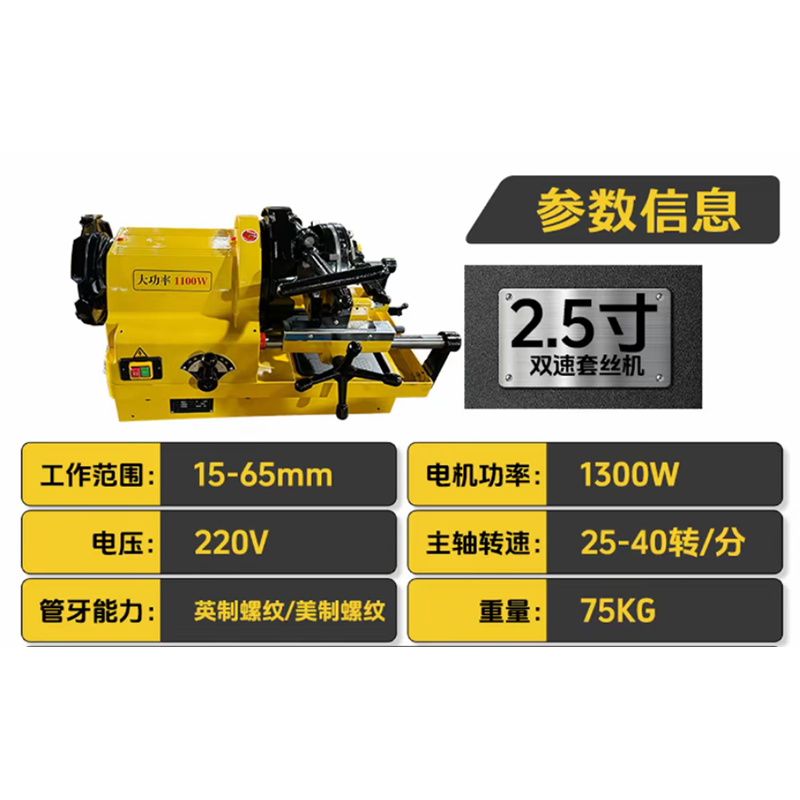 SQ65 Dual-Speed Electric Pipe Threading MachineA 1/2–2.5 inch, 1300 W dual-speed threader for BSPT and NPT pipe, suited to industrial, plumbing and fire-protection threading work.View Product →
Ripped crests, leaks and taps that bind almost always trace back to three causes: hole size, tap alignment, or chip packing. Work through them in that order before blaming the fitting.
| Symptom | Likely cause | Correction |
| Tap binds after two turns | Undersized hole or an off-square start | Redrill to 11.1 mm and restart with a tapping guide |
| Thread tears at the mouth | No chamfer, or a dry cut in stainless | Chamfer past the major diameter and use sulfurized oil |
| Fitting bottoms before sealing | Thread too shallow, under four turns engaged | Check depth against a plug gauge and replace a worn tap |
| Joint weeps at 100 psi | Mixed standards, 18 against 19 threads per inch | Recut with the matching tap, do not chase it with tape |
| Tap snaps inside the hole | Chip packing plus lateral force | Back off every half turn and extract with a proper extractor |
Drill 7/16 in (11.1 mm) for a 1/4-18 NPT tap. Use 11.4 mm for 1/4 BSPT and 11.8 mm for 1/4 BSPP. A smaller hole raises cutting torque sharply and is the most common reason a 1/4 inch tap snaps.
No. NPT cuts 18 threads per inch and BSP cuts 19, with different thread angles. The parts may engage two or three turns by hand, but the joint will leak under pressure and cannot be corrected with sealant.
Aim for four to five turns of hand-tight engagement, which typically leaves about three visible crests outside the port. If the fitting runs in further than that, the thread is shallow and should be checked with a plug gauge.
Use the same thread specification but a different tool: a four-flute high speed steel tap, sulfurized cutting oil, slower rotation and more frequent back-off. Carbon steel taps gall quickly in stainless and usually take the thread with them.
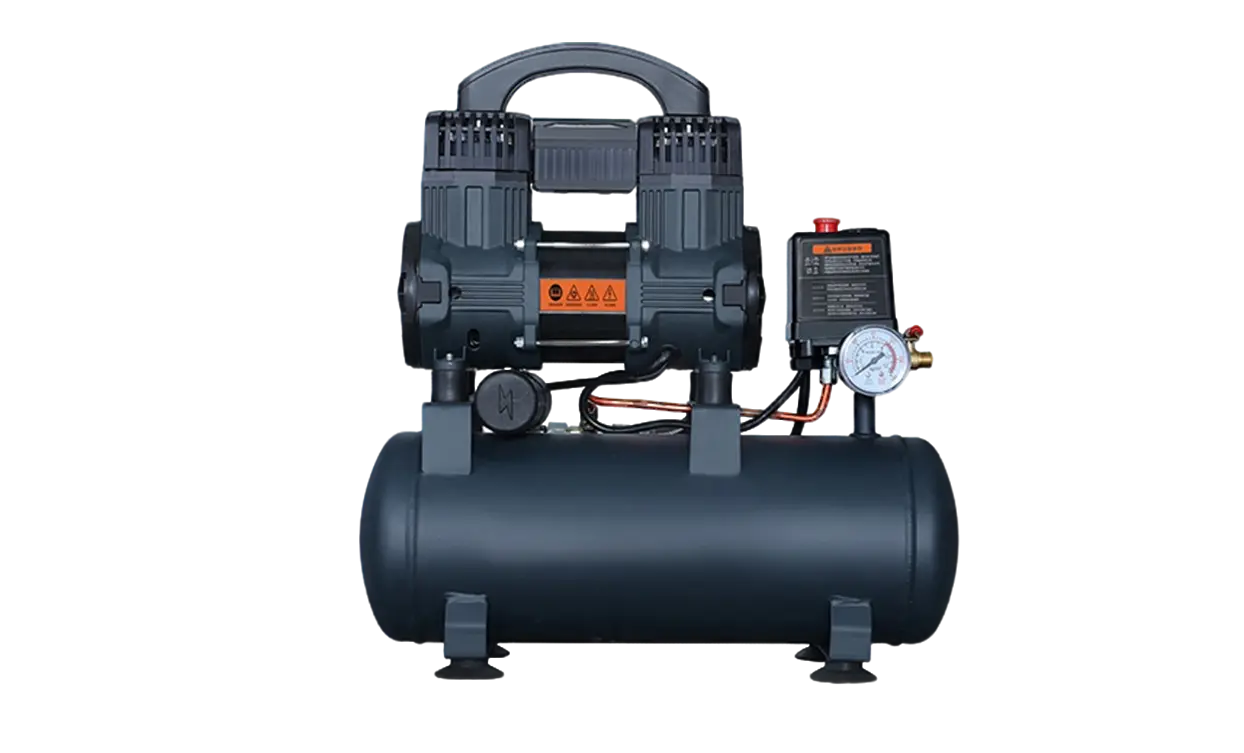
The F1200 Series Air Compressor is engineered for reliable, cost-effective compressed air supply, core to which are its high-efficiency oil-free desig...
See Details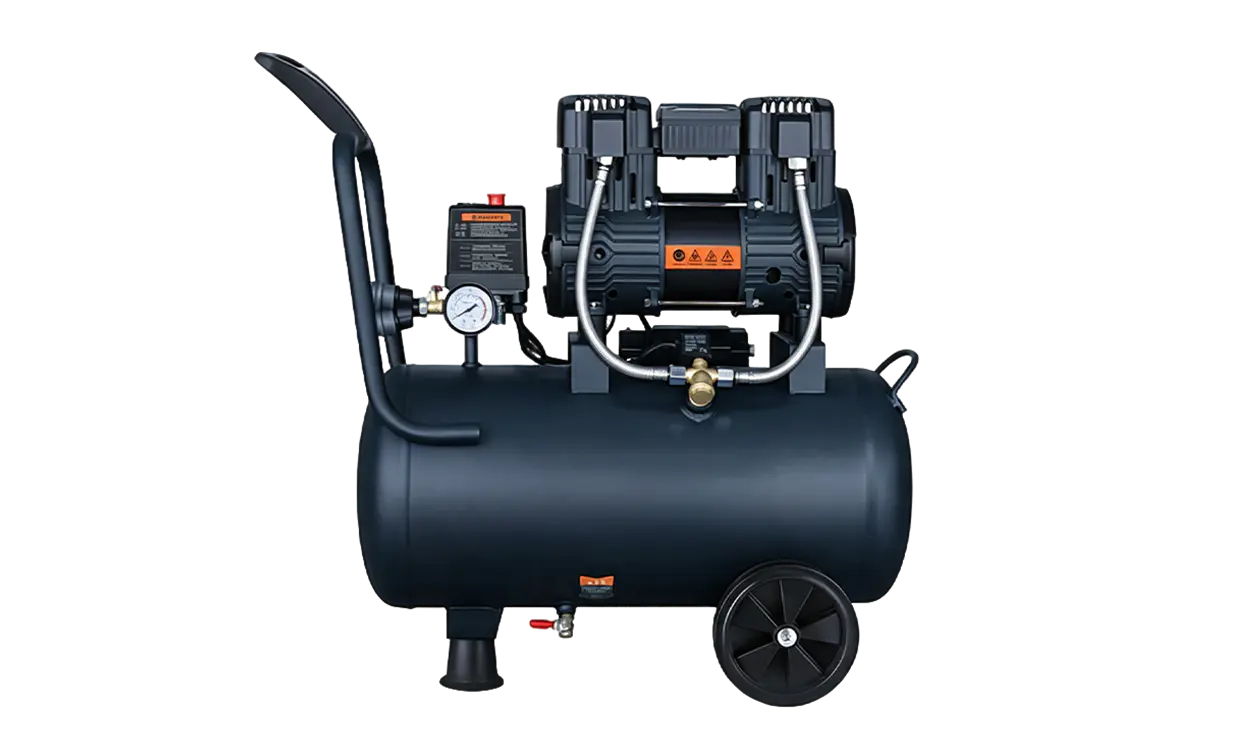
The F1680 Series Air Compressor is engineered for stable and efficient air supply, featuring core technologies of multi-cylinder compression, rapid ai...
See Details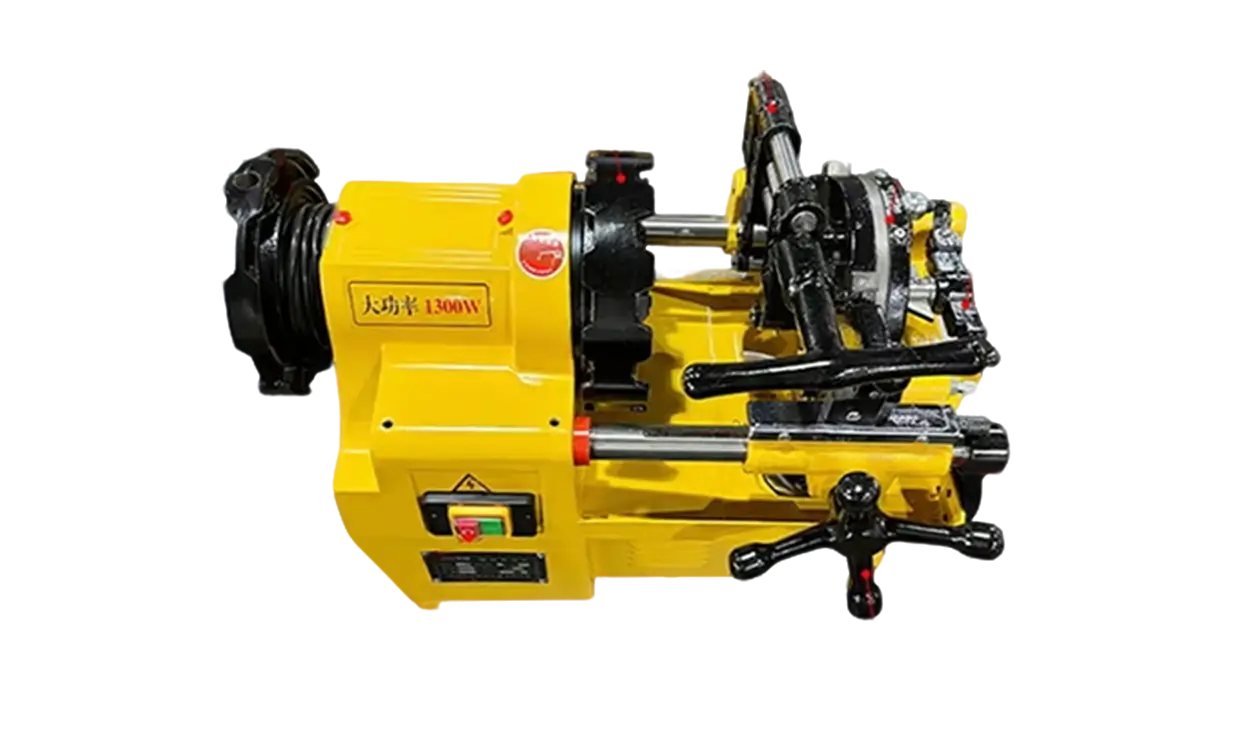
This SQ65 2.5-inch 15-65mm dual-speed electric pipe threading machine is a professional industrial tool engineered for precise pipe threading operatio...
See Details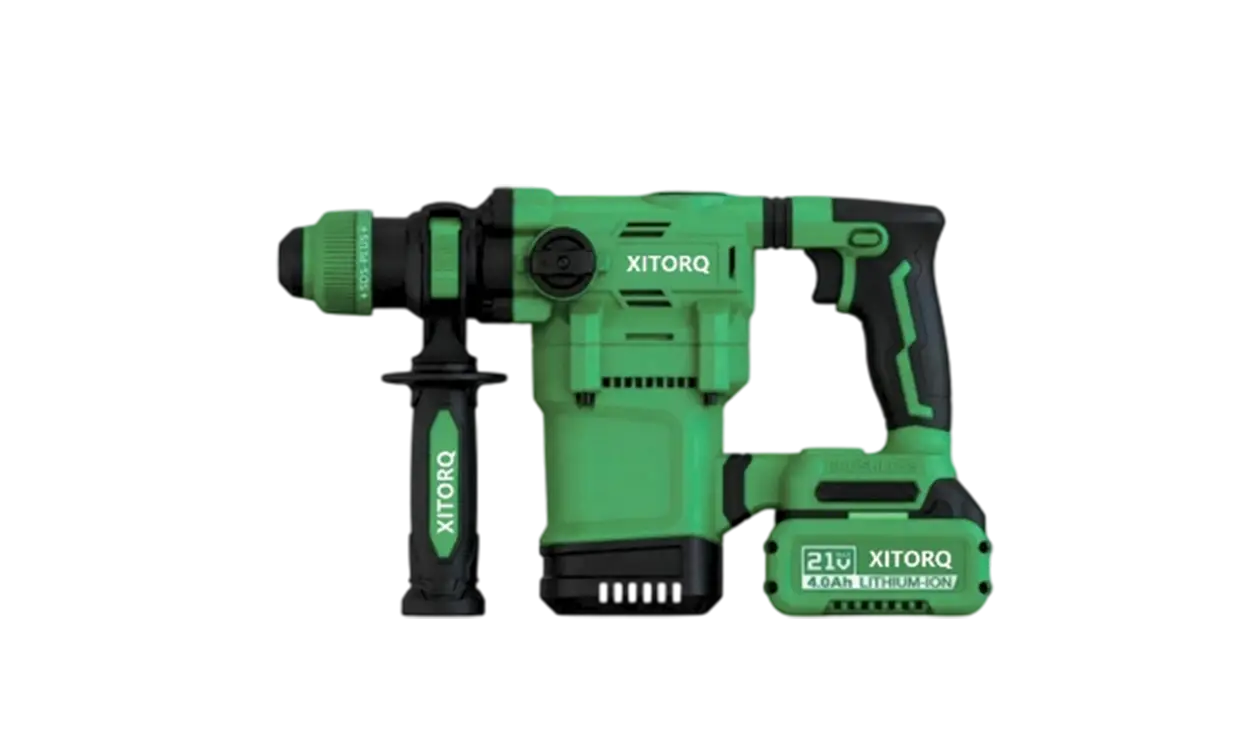
This 21V lithium-ion brushless rotary hammer is an industrial-grade tool designed for drilling and chiseling in concrete, stone, and other hard materi...
See Details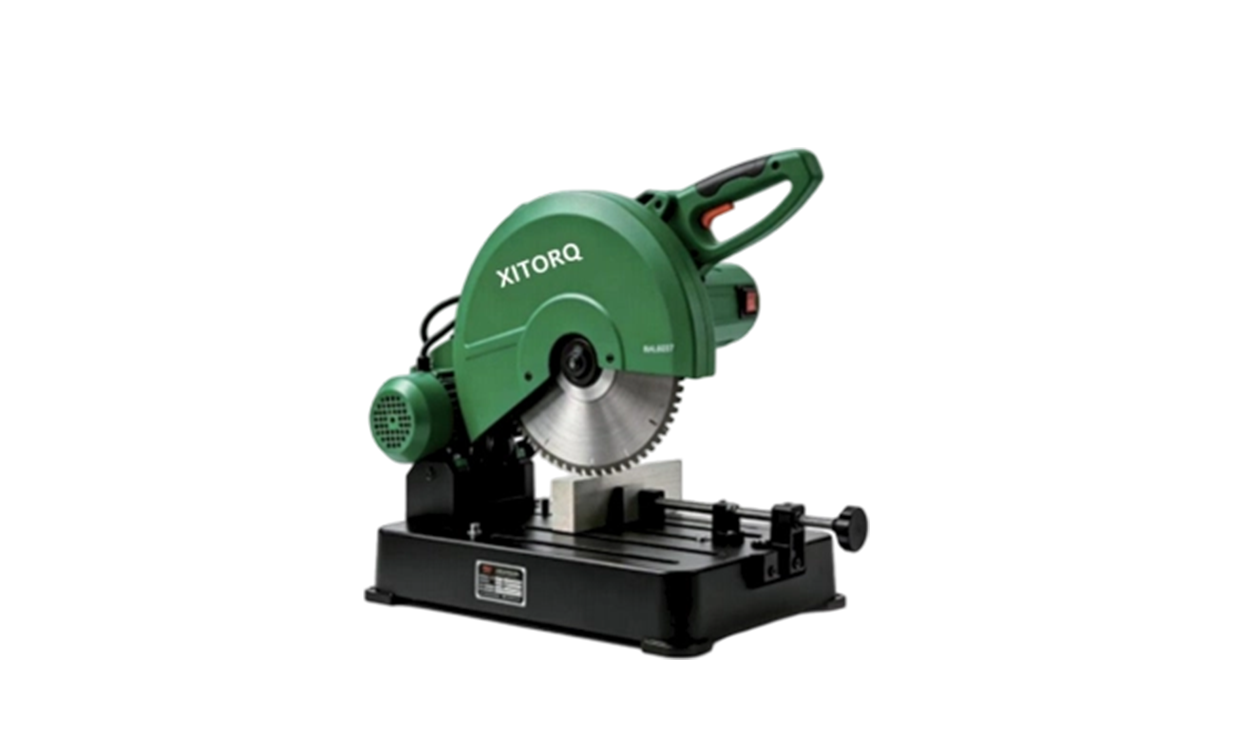
This 220V 14" permanent magnet variable frequency cold saw is an industrial-grade cutting tool designed for metal profile cutting. Featuring a permane...
See Details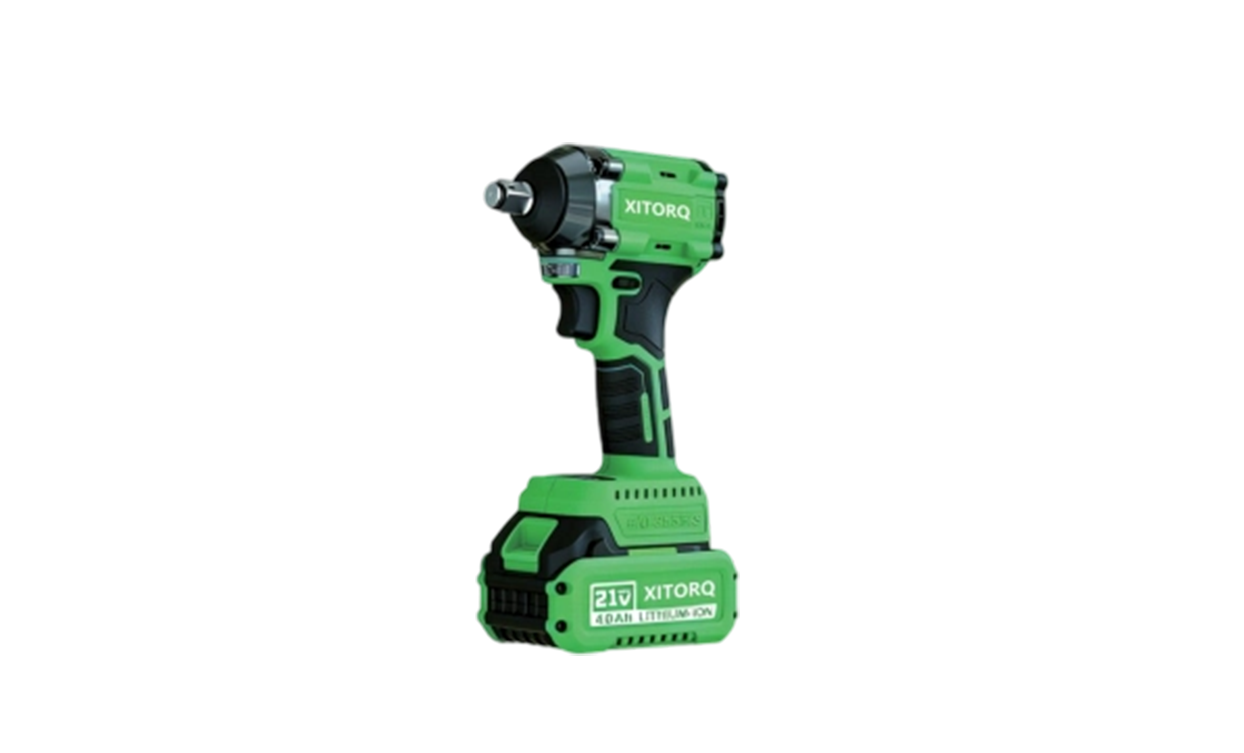
The XJ.523 21V lithium-ion brushless impact wrench is a heavy-duty industrial-grade tool from the Xiaojia brand. Powered by a high-power brushless mot...
See Details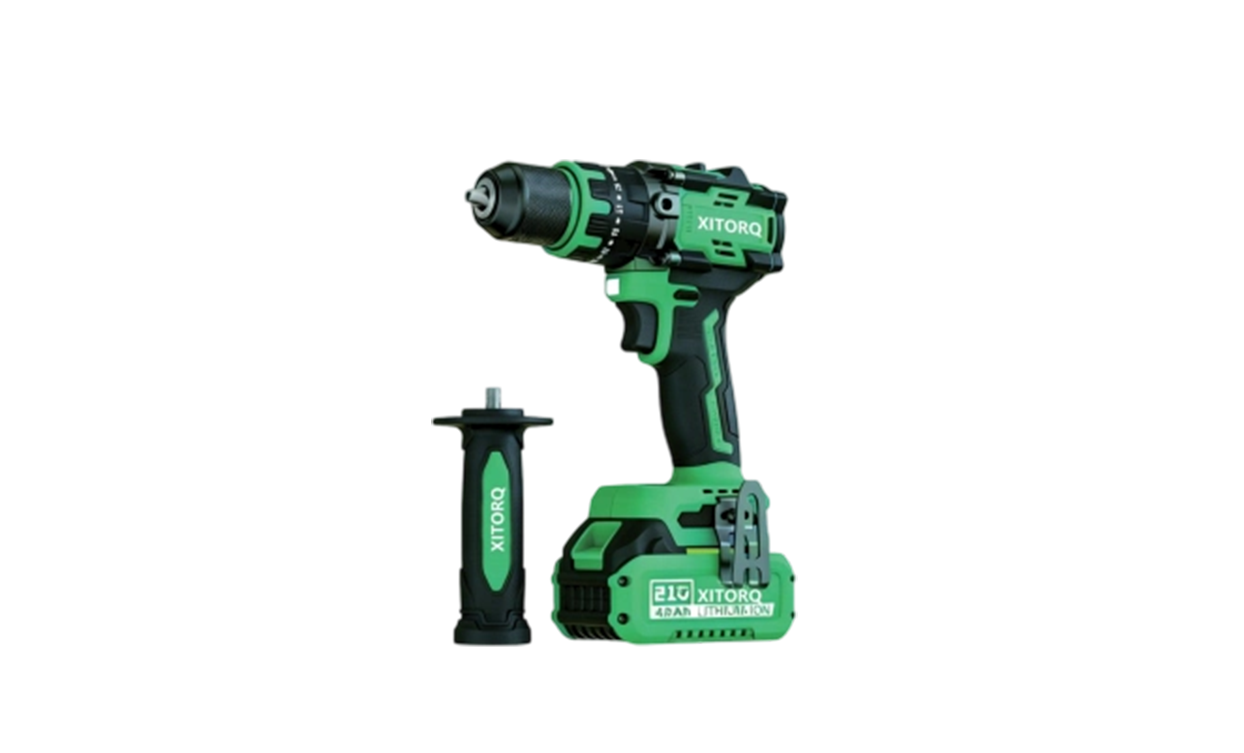
The XJ.608 21V lithium-ion brushless hammer drill/driver is a versatile industrial-grade cordless drill from the Xiaojia brand. Featuring a brushless ...
See Details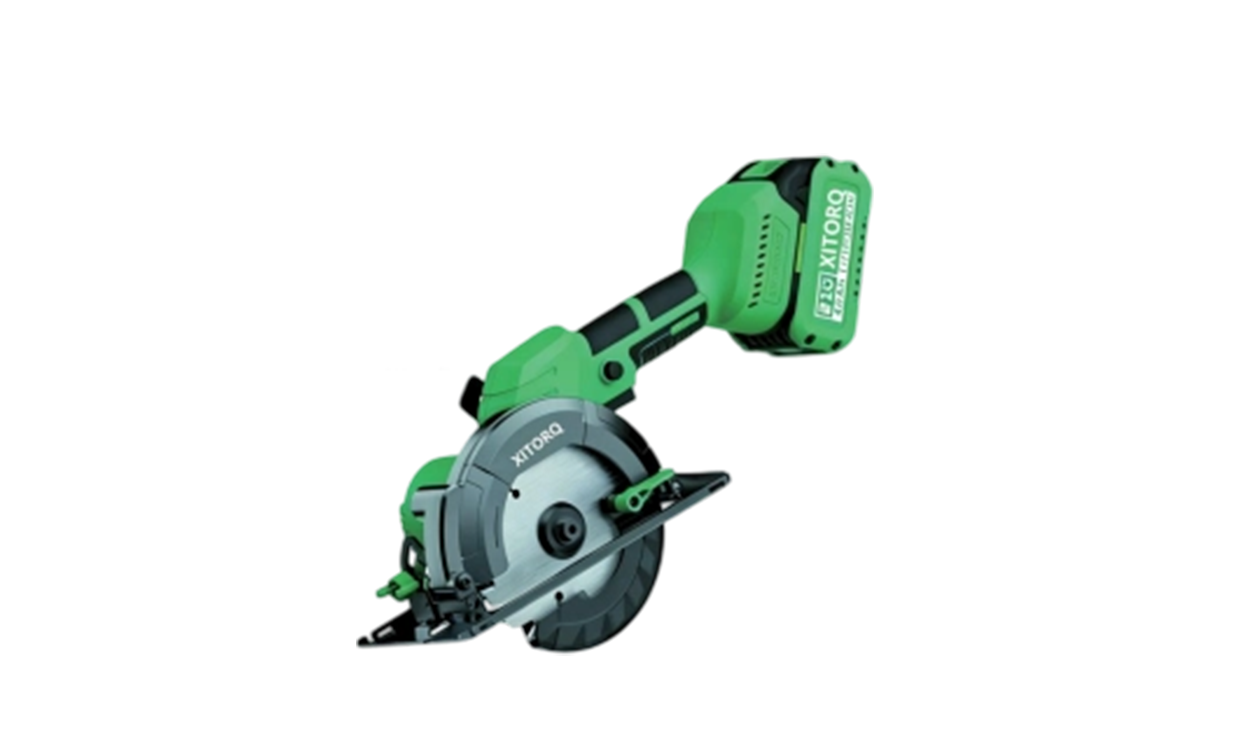
The XJ.853 21V lithium-ion high-magnetic brushless circular saw is an industrial-grade handheld circular saw from the Xiaojia brand. Featuring a high-...
See Details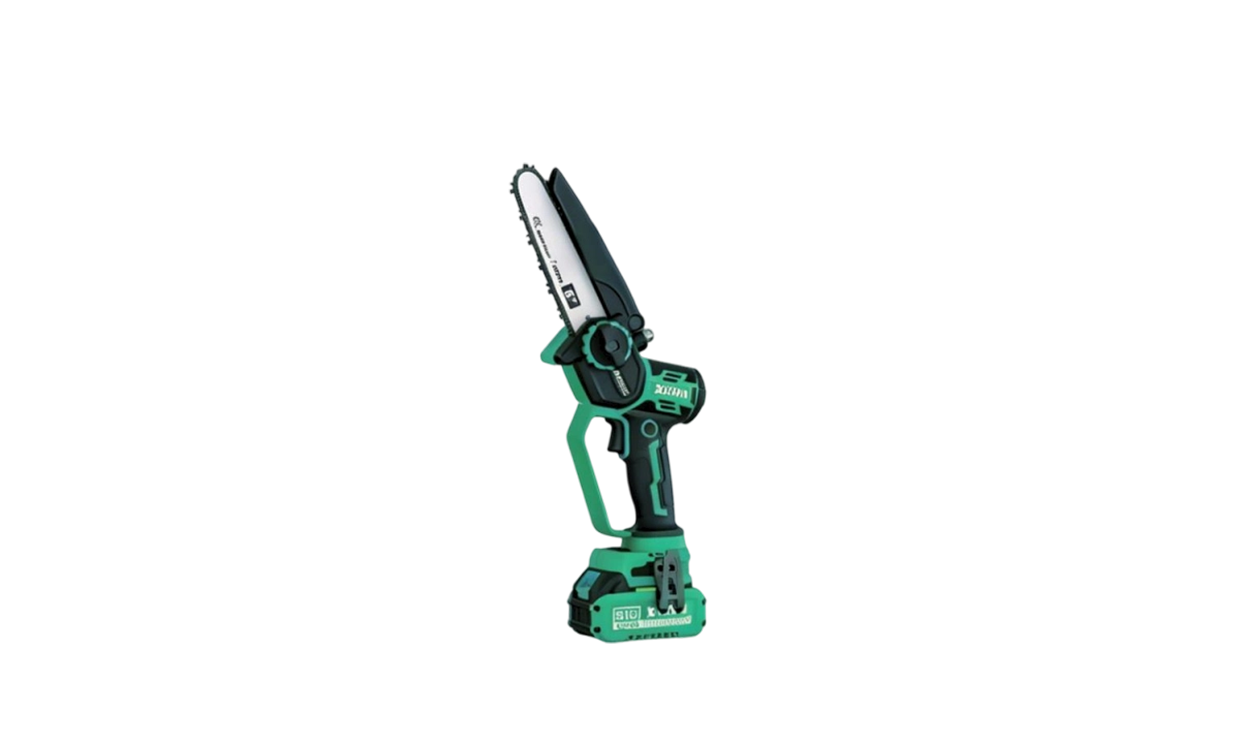
The XJ.206 16V 6" brushless electric chainsaw is a mid-sized lithium-ion chainsaw from the Xiaojia brand. Powered by a 16V brushless motor with a 6" g...
See Details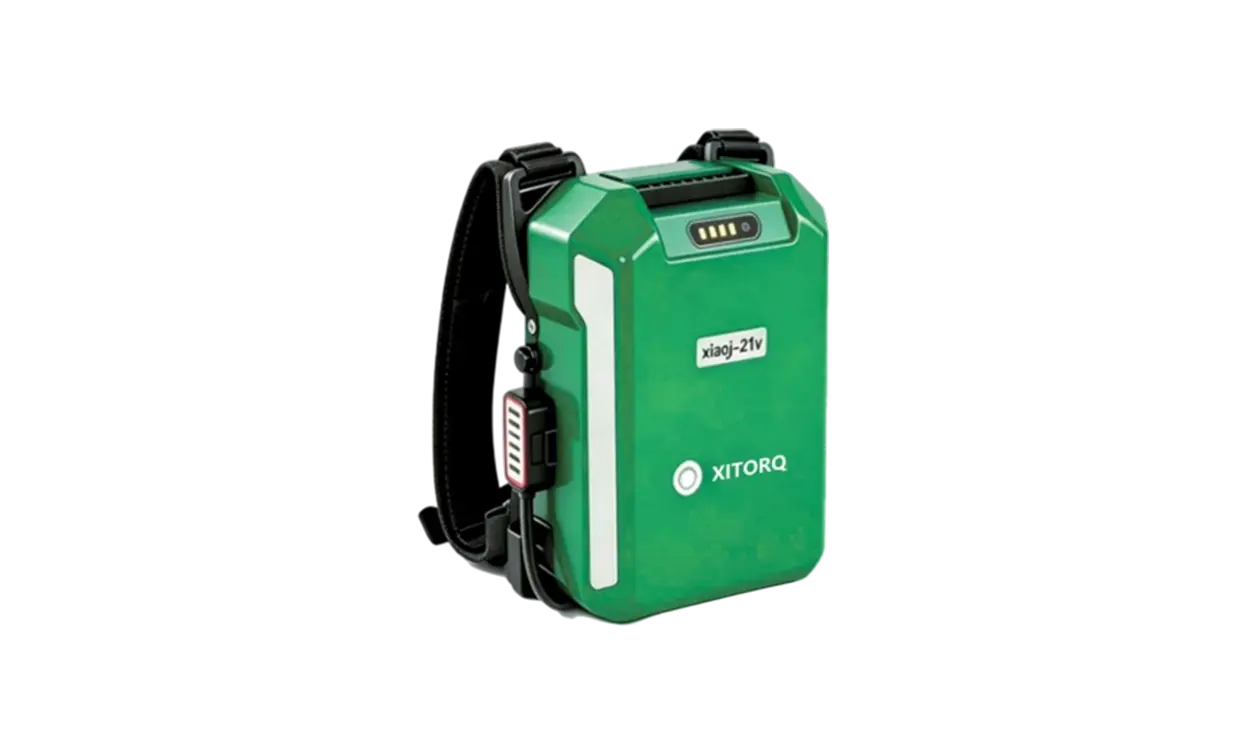
This backpack lithium battery pack is a large-capacity portable power supply designed for extended continuous operation of power tools. Using high-rat...
See Details
Copyright © by Hangzhou Xinabo Intelligent Electromechanical Technology Co., Ltd Rights Reserved. Pipe Threaders Manufacturers
