
 English
 Español
 عربى


F1200 Series Air Compressor
The F1200 Series Air Compressor is engineered for reliable, cost-effective compressed air supply, core to which are its high-efficiency oil-free desig...
See Details
Content
A 12-ton hydraulic bender takes a 2-inch schedule 40 steel pipe from straight to a 90-degree elbow in roughly forty seconds. Whether that elbow passes inspection depends far less on ram pressure than on three choices made before the handle is pumped: the die set, the support pins and the wall thickness sitting on the stand.
In most fabrication shops the bender is a shared machine, used by whoever needs an offset that day. That is exactly how inconsistent bends happen. A written setup standard, a die chart on the wall and a checked angle on the first piece will do more for bend quality than a bigger ram ever will.
A hydraulic bender is a cold-forming machine: a ram pushes a curved die against a pipe or tube held in line by two fixed pins, and the material is forced to follow the die radius.
Thin-wall tube is a different problem from pipe. Die forming alone will collapse it, so a mandrel is drawn through the bore as the bend is made; the mandrel supports the inside radius and holds the cross-section round.
Tonnage has to match the outside diameter and wall thickness on the stand, not the nominal size printed on the die.
| Ram capacity | Working range | Common shop use | Watch out for |
| 10 ton | up to 2 in tube OD, 1-1/2 in pipe | handrail, light tube, repairs | schedule 80 will stall the ram |
| 12 ton | up to 2 in pipe | HVAC, small fabrication | the most common compromise size |
| 16 ton | 2-1/2 to 3 in pipe | structural offsets, fire protection | frames flex on light stands |
| 20 ton and above | 4 in pipe and larger | heavy fabrication, long radius work | die cost and floor space climb fast |
The nominal bore fixes the outside diameter for a given size, and the schedule sets the wall. Heavier schedules need more force behind the same die.
Outside diameter and wall thickness are stated directly, with tighter tolerance. Dies are chosen by OD, and thin wall almost always needs a mandrel.
Three numbers decide whether a bend is accepted or scrapped: centreline radius, wall thinning on the outside of the bend, and springback.
Tighter radius means more strain on the outside fibres. Many pipe specifications accept around 10 to 15 percent wall thinning on the outside radius, and a bend that exceeds it will pass a visual check and fail a hydrostatic test months later. If the drawing demands a radius below twice the outside diameter, the wall class usually has to go up.
Steel returns slightly when the ram is released, so the die angle is always cut a little past the target. Aim one to three degrees beyond the required angle on carbon steel, check the first piece with a digital level or a template, and log the number on the setup sheet. On stainless, the return is larger and more variable, so expect to re-check every batch.
Bending belongs between cutting and end preparation: cut to developed length first, bend second, thread or groove last, because a thread cut before the bend will not survive the die pressure and the bend will not stay on plane.
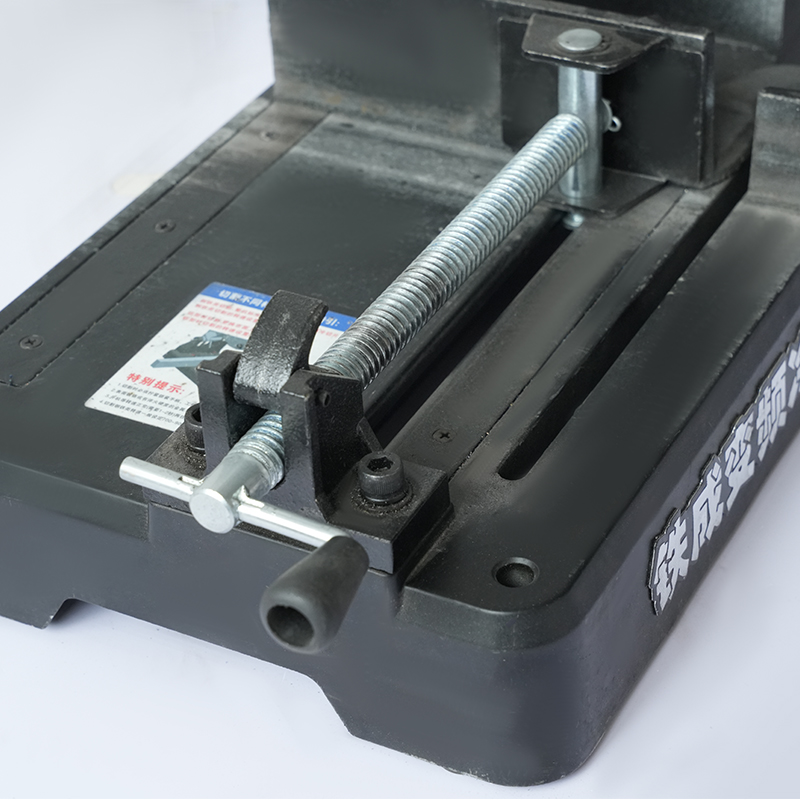 Frequency Conversion Metal Cold Cutting SawVariable-frequency cold saw with 355 mm blade and 700–1300 r/min speed, supporting square, burr-reduced cuts for accurate lengths before bending.View Product →
Cut length accuracy feeds straight into bend accuracy. A cold cut that leaves a square, burr-free end and a true length removes one variable before the pipe ever reaches the bender.
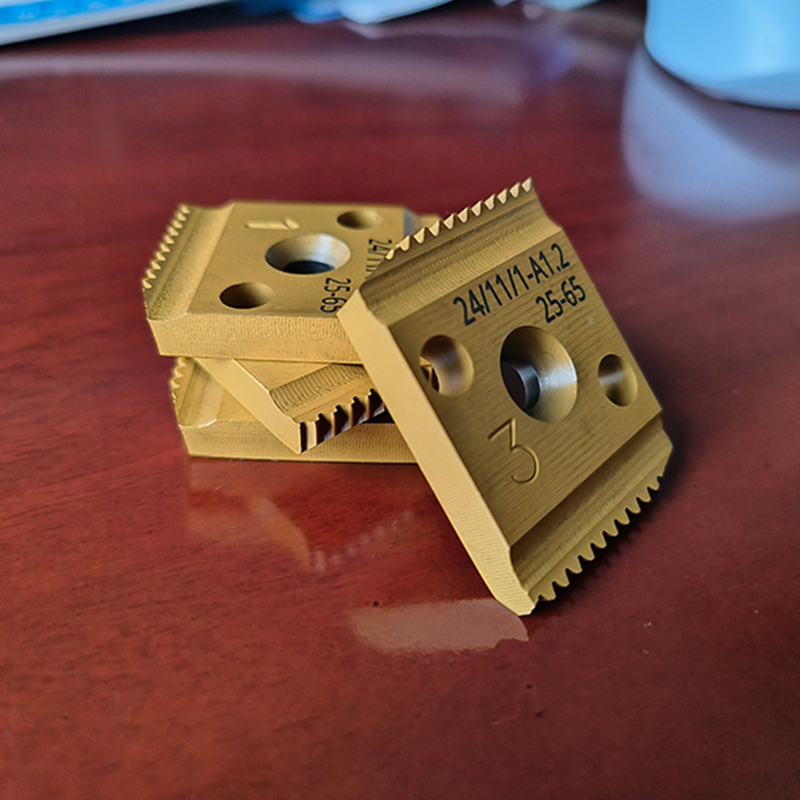 Intelligent Pipe Threading Machine for DN15–DN100Automatic diameter identification and tool setting help speed end preparation for DN15–DN100 pipes; handles British, American and metric threads.View Product →
End preparation after bending is where shop output usually bottlenecks, because bent lengths are awkward to chuck and easy to misalign. Threads still have to match the specification, and the differences between NPT, BSPT and BSPP are set out in this pipeline thread guide.
Most bend defects come from three causes: the wrong die for the outside diameter, too much ram travel past the intended angle, or unsupported wall on thin tube.
| Defect | Usual cause | Correction |
| Flattened cross-section | die too large for the OD, pins not seated | resize the die, reseat pins, slow the ram |
| Wrinkles on the inside radius | radius tighter than the wall allows | increase centreline radius or switch to a mandrel |
| Cracking at the outside radius | wall thinning past limit, cold-worked material | use a heavier wall class or anneal where permitted |
| Angle drift between parts | springback not compensated or logged | add the measured return and re-check the first piece |
| Score marks on the surface | dirty die, metal pickup on the radius | clean and inspect die profiles every shift |
Hydraulic benders fail in predictable ways, and almost every failure gives a warning before it happens.
A 12-ton bender is the usual answer for 2-inch pipe in standard wall, with 10-ton frames covering 1-1/2 inch and lighter work. Check the die chart for the exact schedule on the stand, because a 2-inch schedule 80 pipe asks more of the ram than the nominal size suggests.
Yes, within limits. Stainless work-hardens, returns further on release and usually needs a mandrel to keep the cross-section round. Expect higher tonnage for the same outside diameter and more springback allowance than carbon steel.
No. Heavier-wall pipe is normally die-formed without one. A mandrel becomes necessary when the wall is thin relative to the diameter, or when the centreline radius drops below roughly twice the outside diameter.
Add the two leg lengths along the centreline and subtract the bend deduction for that radius and angle. Manufacturers publish deduction tables for their dies; using a generic figure for a different die set is one of the most common causes of a spool that will not close.
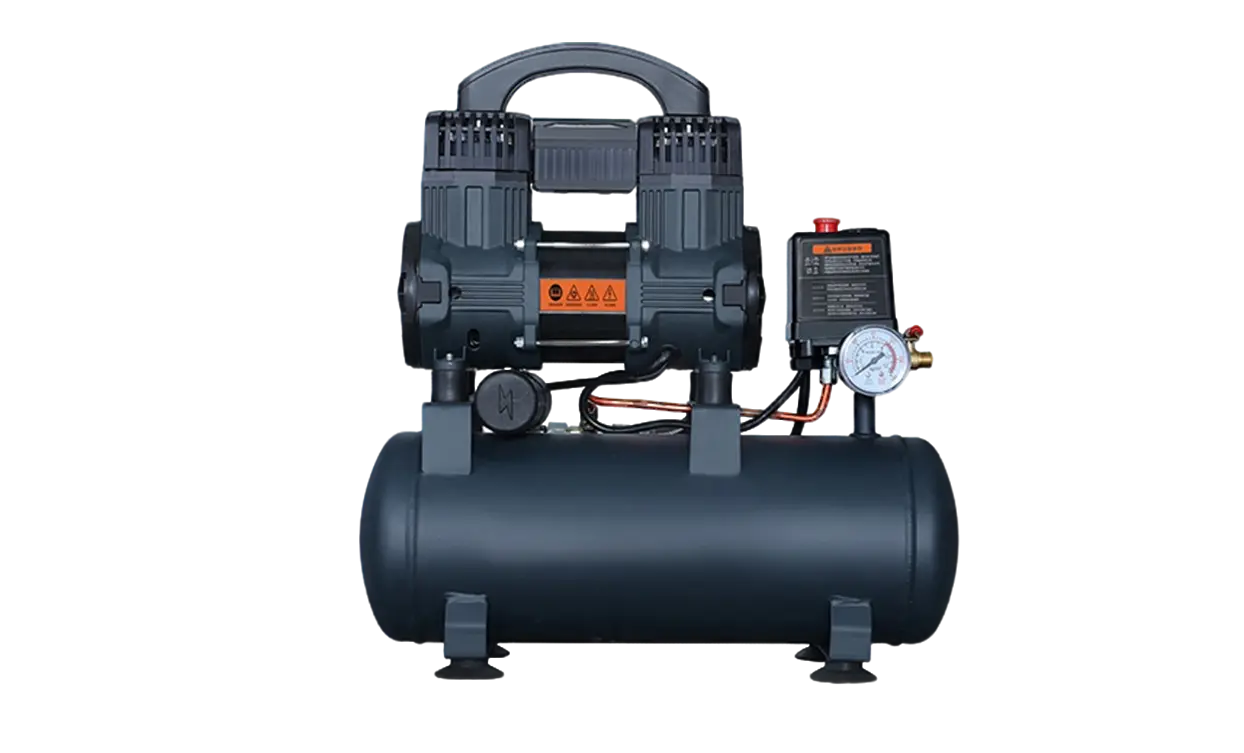
The F1200 Series Air Compressor is engineered for reliable, cost-effective compressed air supply, core to which are its high-efficiency oil-free desig...
See Details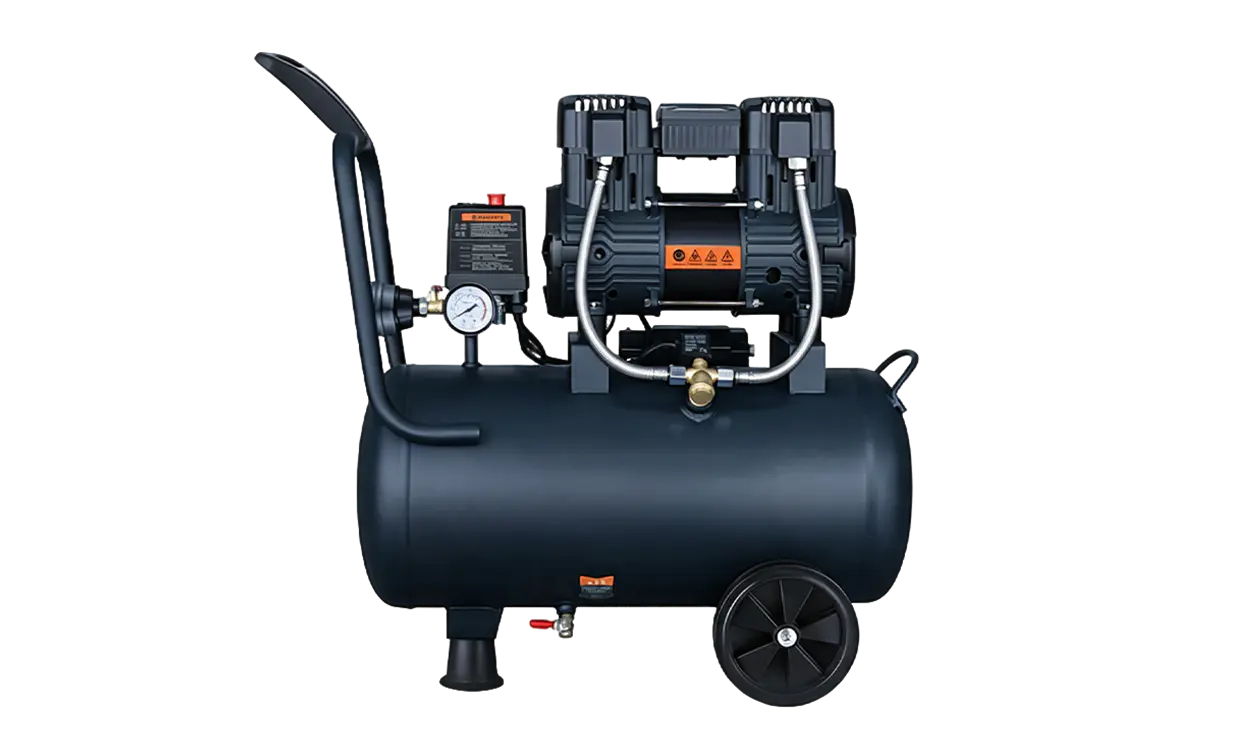
The F1680 Series Air Compressor is engineered for stable and efficient air supply, featuring core technologies of multi-cylinder compression, rapid ai...
See Details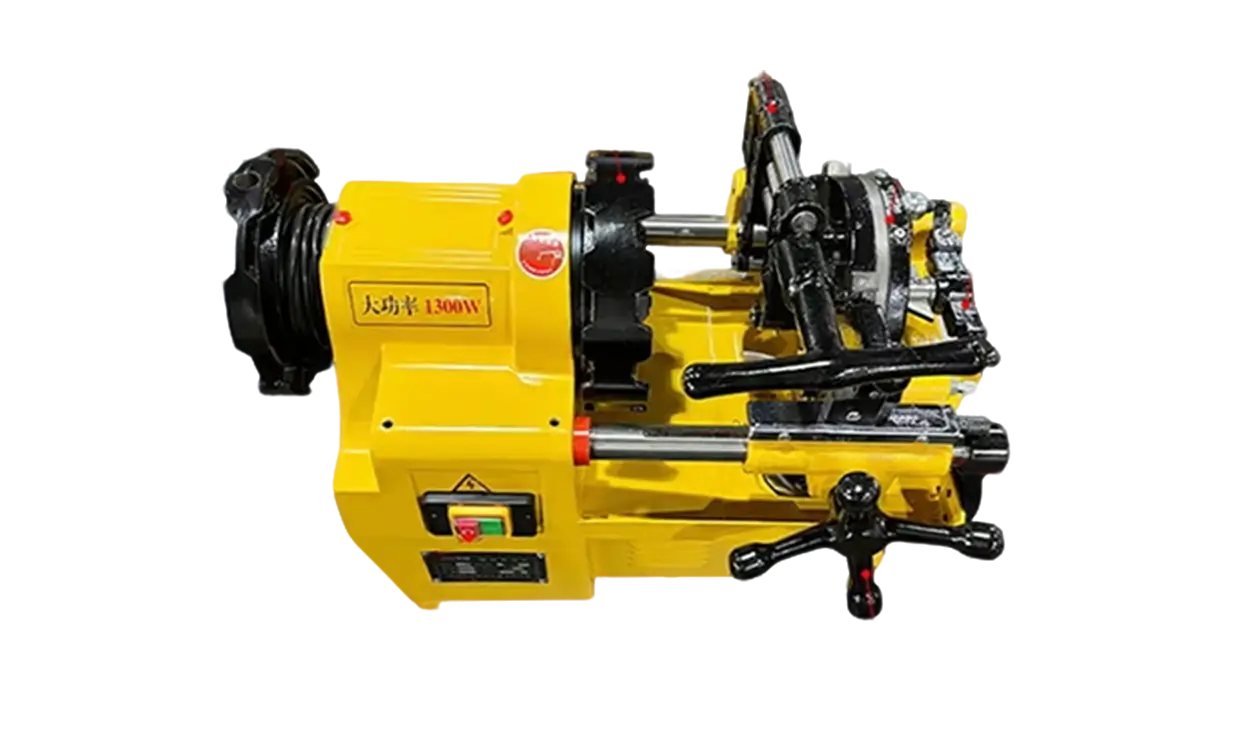
This SQ65 2.5-inch 15-65mm dual-speed electric pipe threading machine is a professional industrial tool engineered for precise pipe threading operatio...
See Details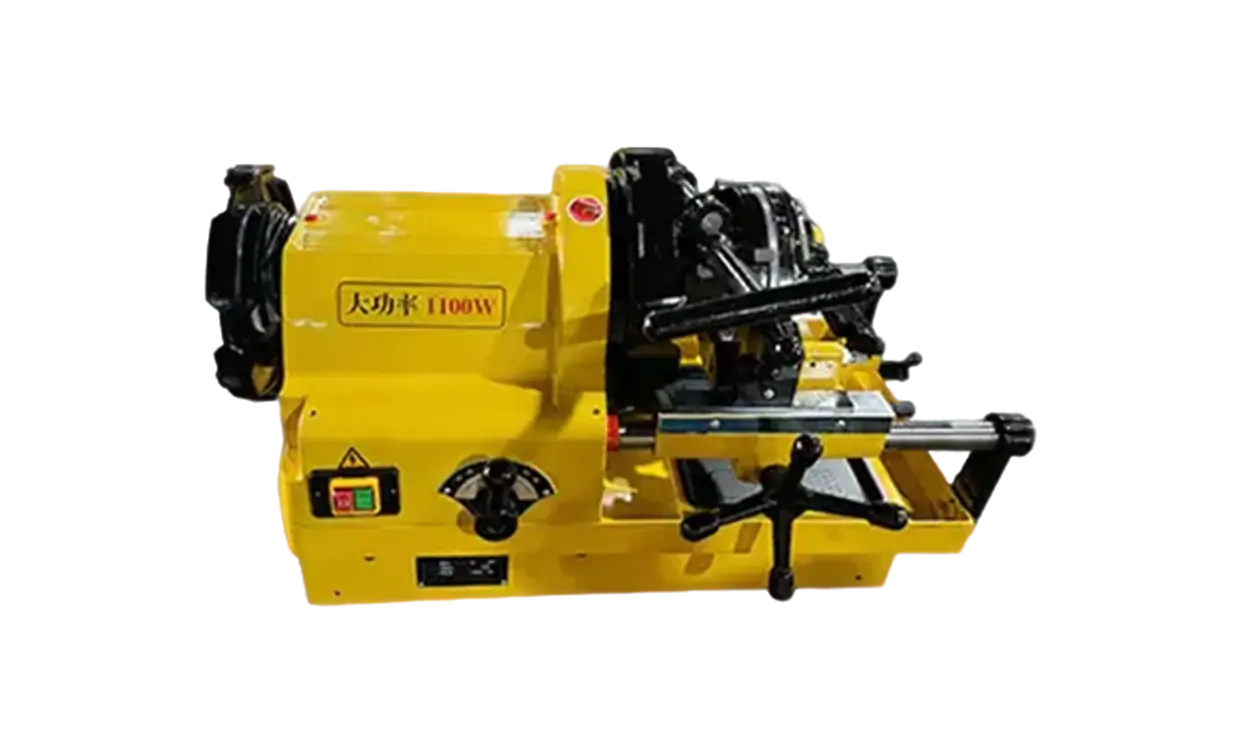
This SQ100 4-inch 15-100mm dual-speed electric pipe threading machine is engineered for precise and efficient pipe threading operations, with a workin...
See Details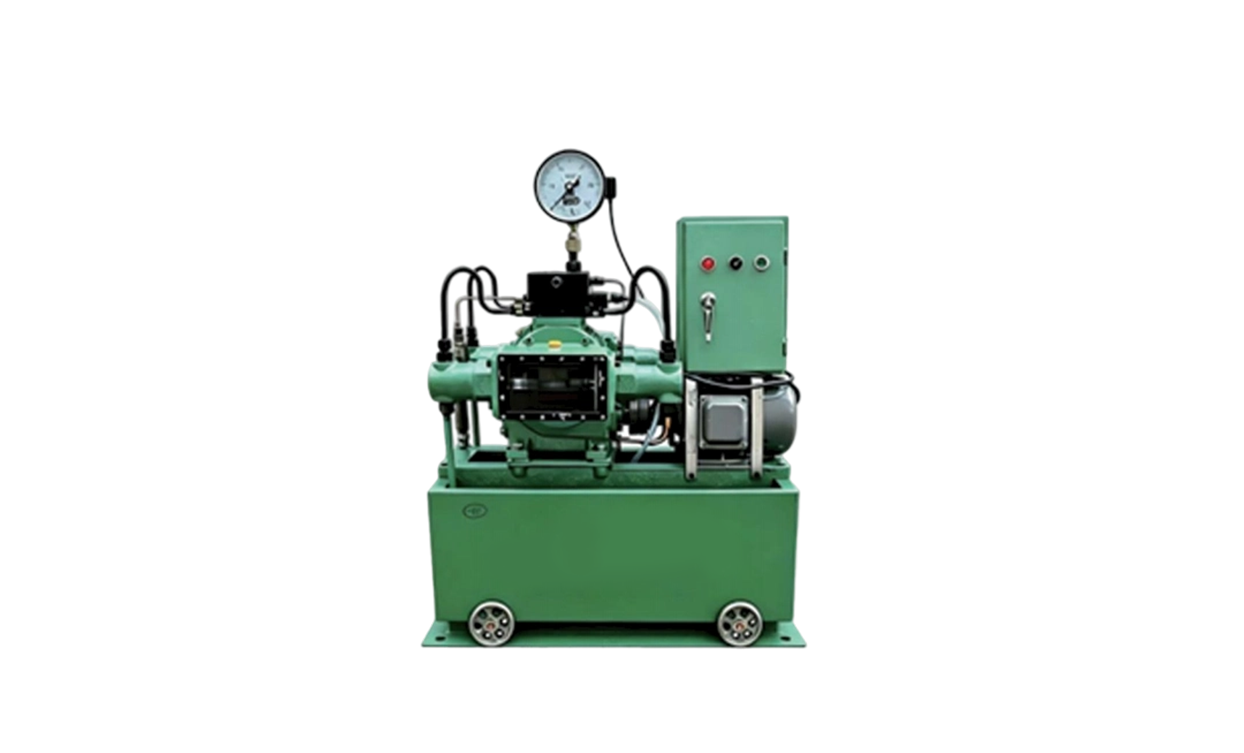
This 380V electric pressure test pump is a professional device designed for hydrostatic pressure testing and leak detection of pipes, valves, pressure...
See Details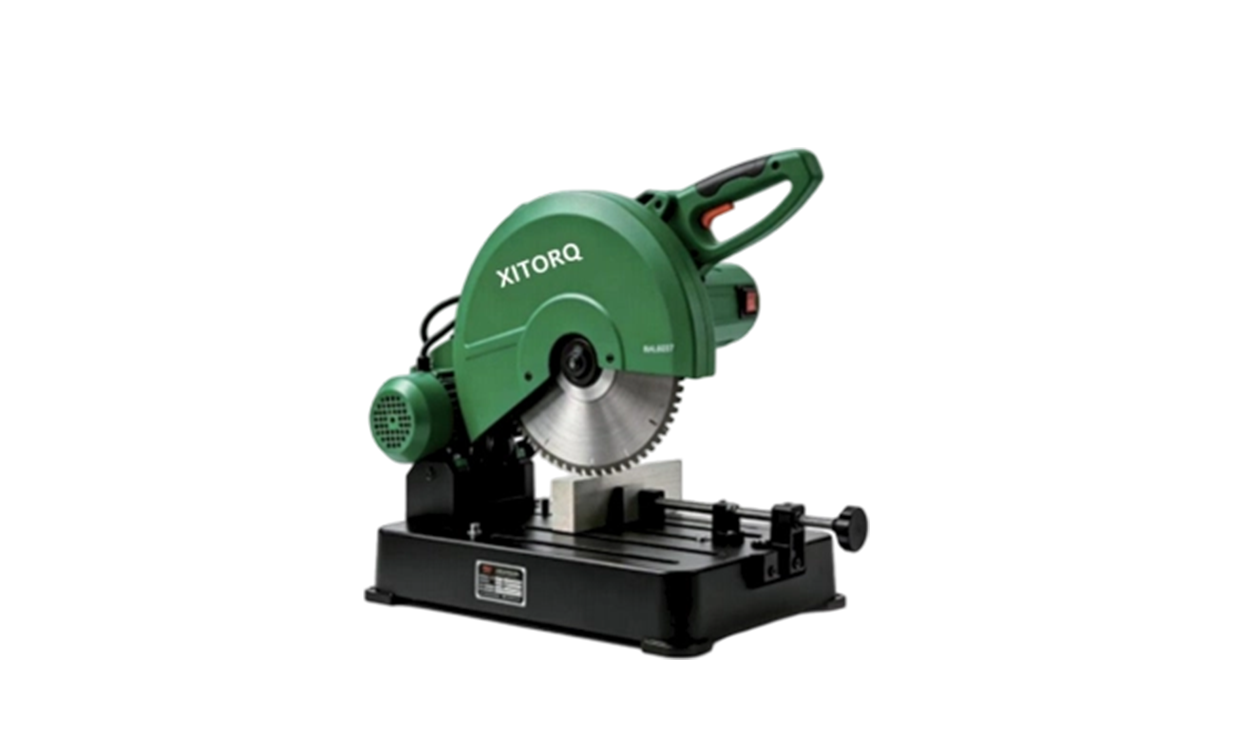
This 220V 14" permanent magnet variable frequency cold saw is an industrial-grade cutting tool designed for metal profile cutting. Featuring a permane...
See Details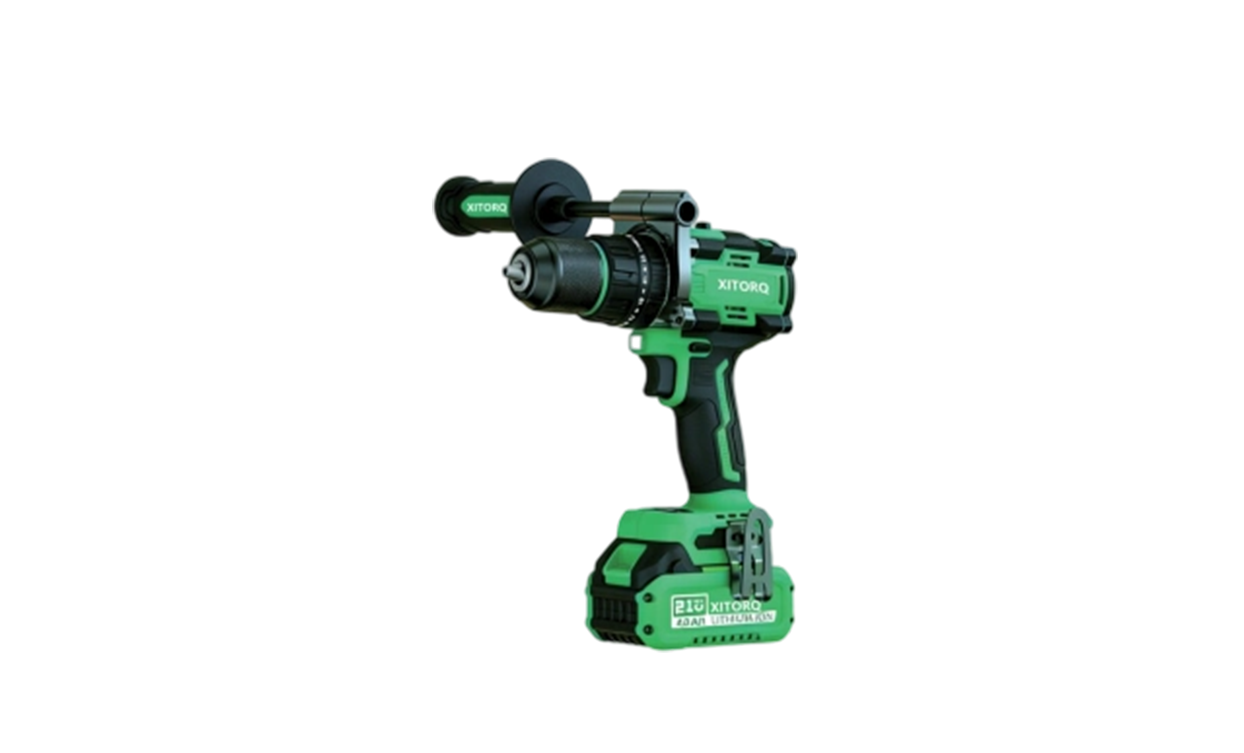
The XJ.617 21V lithium-ion brushless hammer drill/driver is a heavy-duty multi-function drill from the Xiaojia brand. Featuring an upgraded brushless ...
See Details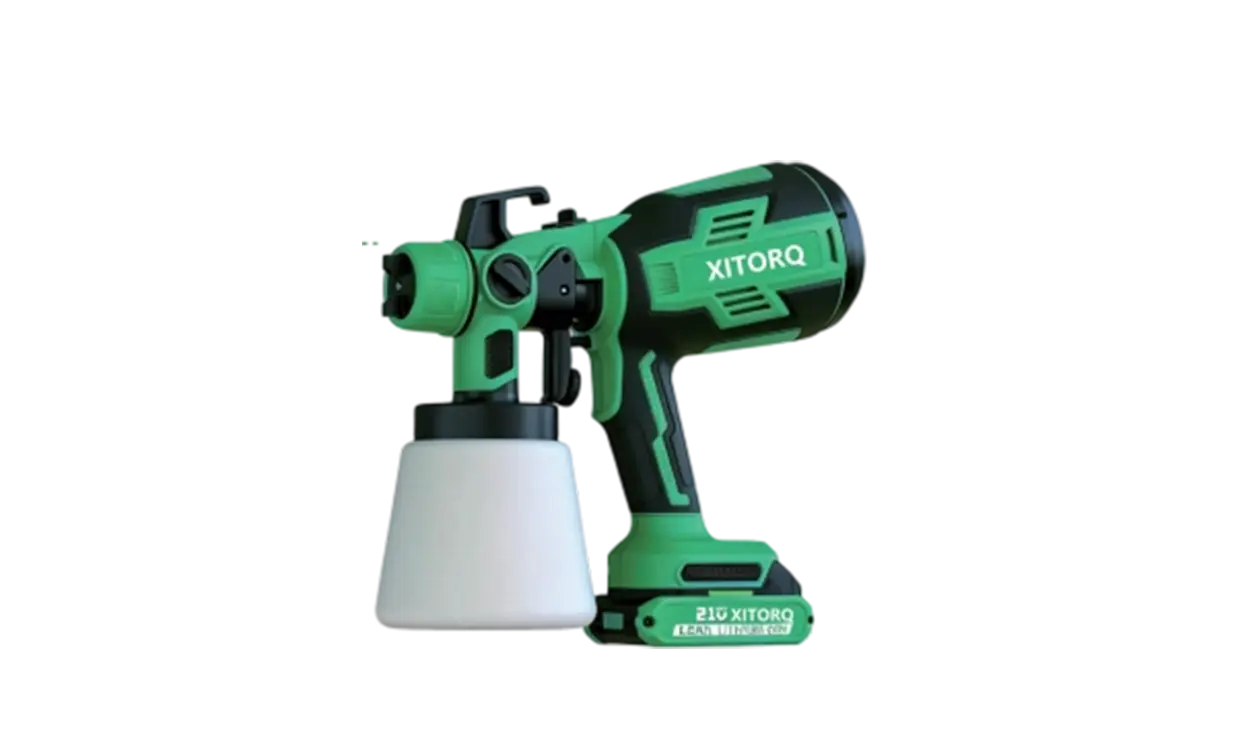
This 21V lithium-ion spray gun (Small Airplane model) is a portable cordless painting tool designed for paint spraying. Powered by a 21V brushless lit...
See Details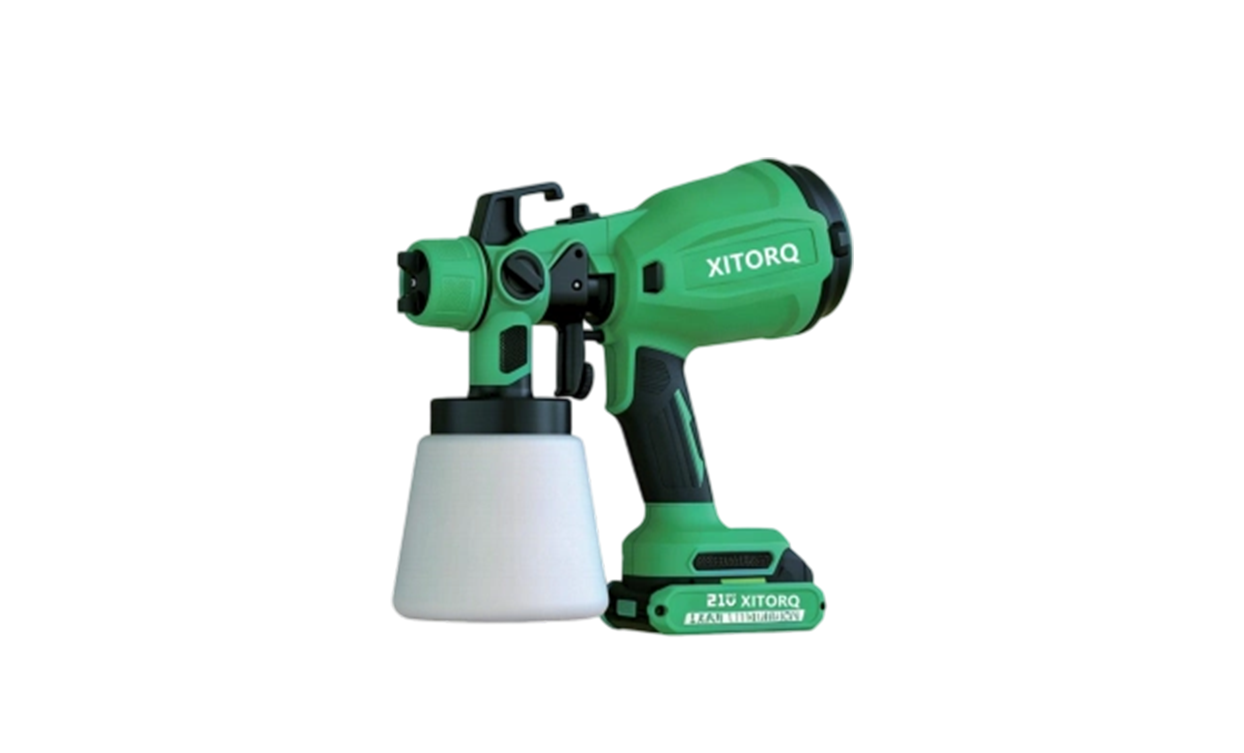
The 21V lithium-ion spray gun MT is an industrial-grade cordless spray gun from the Xiaojia brand. Featuring an upgraded brushless motor with enhanced...
See Details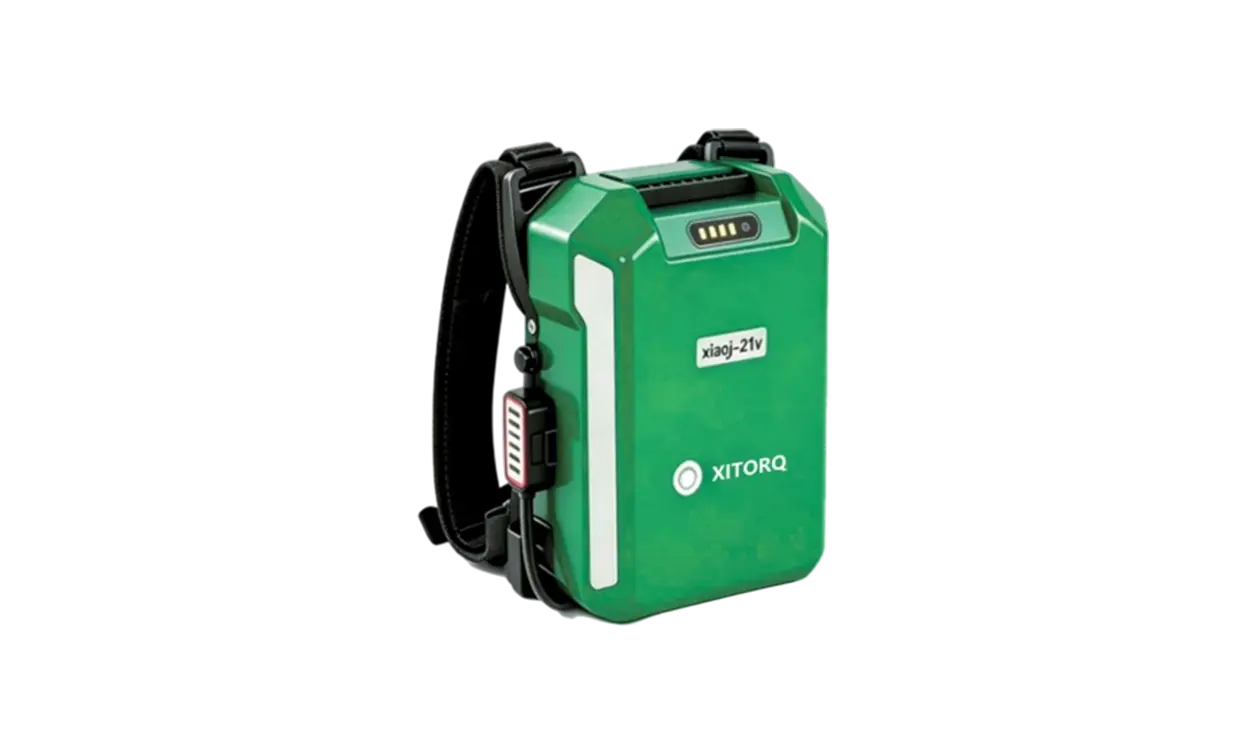
This backpack lithium battery pack is a large-capacity portable power supply designed for extended continuous operation of power tools. Using high-rat...
See Details
Copyright © by Hangzhou Xinabo Intelligent Electromechanical Technology Co., Ltd Rights Reserved. Pipe Threaders Manufacturers
