
 English
 Español
 عربى


Double-Edged Threading Dies
Specialized Compatibility: Exclusively designed for intelligent threading machines, the dies feature a high precision-machined structure that perfectl...
See Details
Content
A 1 in NPT thread, for example, uses 11.5 threads per inch and a 1:16 taper. The die must cut that geometry into the pipe wall without tearing the crest or leaving a shallow root. If the die is wrong, the joint may assemble and still leak under pressure.
Buyers often compare dies by price per piece. The better measure is cost per acceptable thread. A low-cost die that loses size after a few hundred cuts can cost more in rework, sealant use, and callbacks than a stable die with a higher list price.
Most pipe dies fall into three practical families: solid, adjustable, and interchangeable insert dies. Each solves a different balance of speed, size range, and thread consistency.
| Die design | Best for | Tradeoff |
| Solid die | High-volume, single-size work | Fast and rigid, but no adjustment for wear |
| Adjustable die | Repair and mixed-site work | Can tune fit, but operator skill affects repeatability |
| Interchangeable insert | Shops that change standards often | Lower die-head inventory, higher setup discipline |
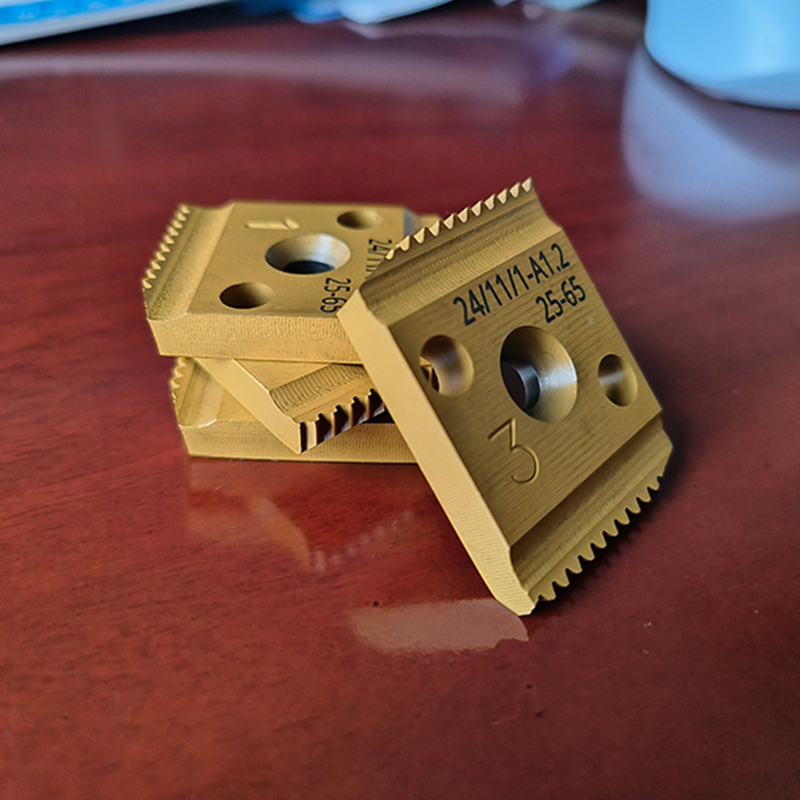
Double-edged dies add a practical service option. When one edge dulls, the insert can be reversed or indexed instead of replaced immediately. The gain depends on correct seating and chip clearance, because a loose die will damage both edges before either one reaches normal wear.
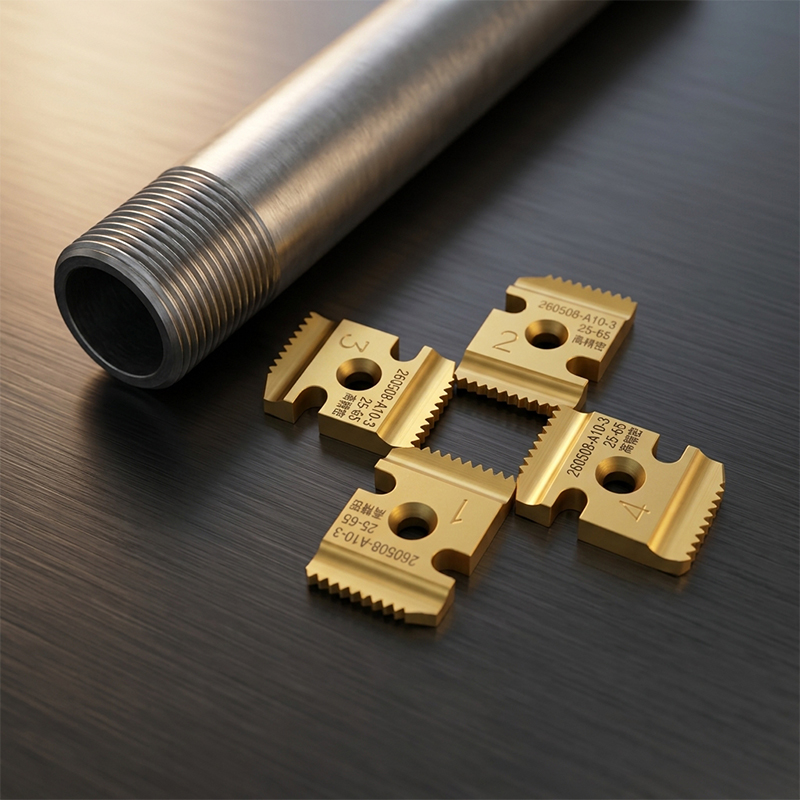 Double-Edged Threading Dies for Intelligent Threading MachinesDual-edge inserts suit automated threading workflows, support BSPT, NPT and metric threads, and come as a compact four-piece set.View Product →
High-speed steel dies usually give the best balance of edge retention and toughness for steel pipe, while carbon-steel dies suit light, clean work. The material is only half the story; relief angle, rake, and thread form determine how the edge enters and leaves the cut.
Good wear resistance for steel, stainless, and repeated production. It tolerates higher cutting temperature and holds thread form longer when lubrication is controlled.
Useful for light maintenance and soft pipe. Coatings can reduce friction, but they do not correct poor machine alignment or a die that is run beyond its speed range.
Geometry decides where the load lands. A die with too little clearance rubs the crest; one with too much rake can chatter on thin-wall pipe. On stainless, the difference shows up as work hardening, torn flanks, and a thread that looks bright but fails a gauge.
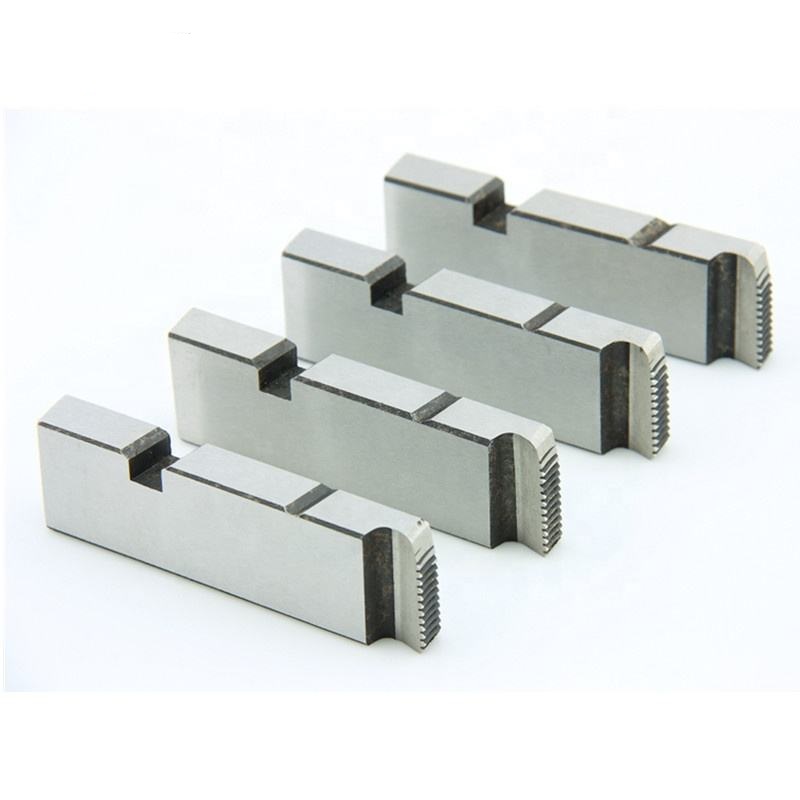 High-Speed Steel Threading Dies for Electric Threading MachinesHSS dies in four-piece sets for electric machines, available in BSPT and NPT variants with chip grooves for consistent thread cutting.View Product →
A die only performs when its holder, machine speed, pipe material, and thread standard are matched as one system. A 1/2 in die and a 4 in die may share a catalog family but not the same torque, cooling, or support needs.
| Variable | What to confirm | Risk if missed |
| Pipe outside diameter and wall | Die capacity, chuck support, and cut depth | Out-of-round or collapsed pipe |
| Thread standard | NPT, BSPT, or BSPP form and pitch | Joint that assembles but leaks |
| Machine speed | Die material and pipe alloy speed range | Edge breakdown and torn crests |
| Cooling and chips | Cutting fluid flow and chip clearance | Built-up edge and rough finish |
Thread standards are not interchangeable. NPT, BSPT, and BSPP use different forms, pitches, or sealing logic. For a standard-by-standard comparison, read the NPT and BSPT thread guide. If the work mixes standards, set up separate die heads and label them clearly.
On automated equipment, the die head, chuck, and feed system must be reviewed together. A practical threading solutions review should include die changeover, scrap rate, and operator access, not only motor size or cycle claims.
 Intelligent Threading Machine for DN15–DN100 Pipe ThreadsAutomated pipe threading machine handles DN15–DN100, multiple thread standards and metals, with fast cycle times and parameter control for higher-volume work.View Product →
A pipe die rarely fails without warning; the first signs are torn crests, rising torque, and a thread that no longer gauges cleanly. Catch those signs early and the die can often be rotated, re-sharpened, or retired before a batch is lost.
Buy pipe dies by compatibility and measured cost per thread, not by catalog price alone. A die that fits the holder but not the pipe schedule will create delays before it cuts a single thread.
Track three numbers during the trial: accepted threads per die, cycle time, and scrap rate. If a trial die wins on price but loses on accepted threads, the real cost is already visible.
Pipe die questions usually come down to fit, thread standard, wear, and cost per accepted thread.
A pipe die cuts external threads on the outside of a pipe, while a tap cuts internal threads inside a fitting or hole. They may form a matched pair, but one cannot replace the other.
Look for torn crests, rising torque, heat, thread gauge drag, and a change in chip shape. If thread pitch or taper drifts, retire or recondition the die rather than adding more sealant.
No. NPT uses a 60 degree thread form, while BSPT uses a 55 degree form, and BSPP is parallel rather than tapered. Use a die made for the specified standard and mark the die head clearly.
There is no universal cut count. Pipe material, wall thickness, lubrication, and machine alignment change die life, so base replacement on gauge results and accepted-thread counts.
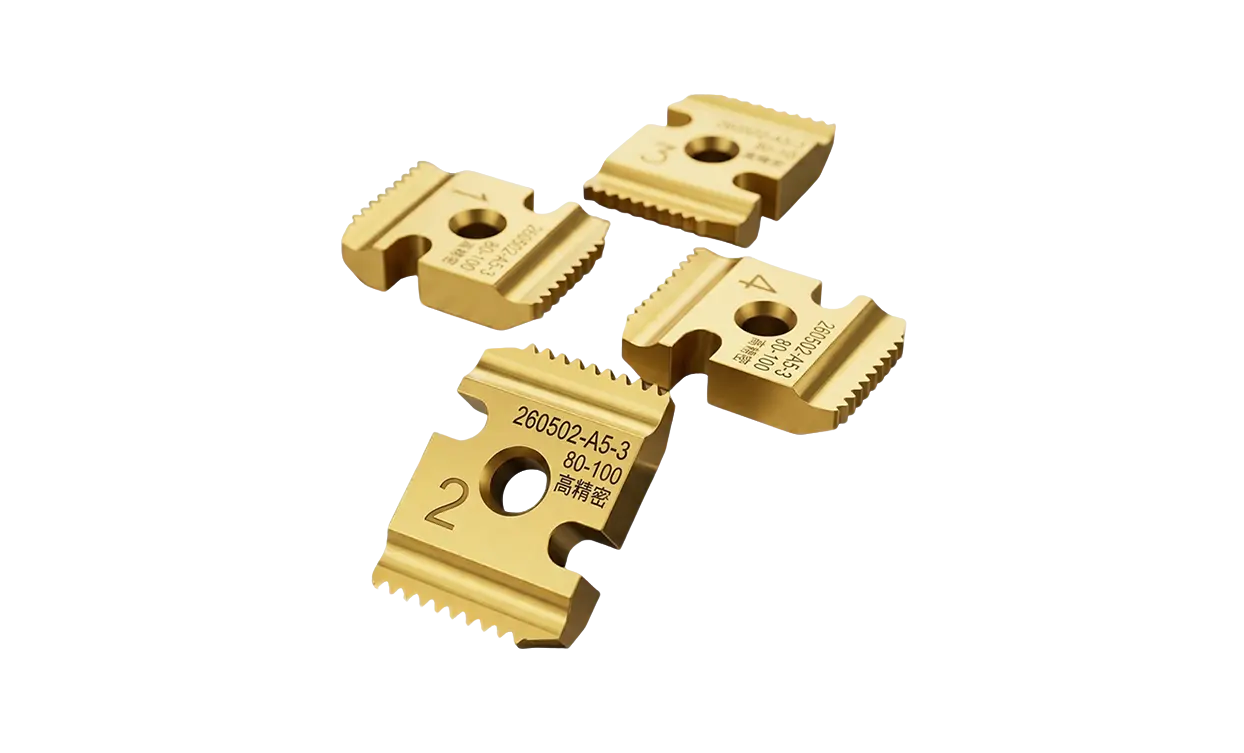
Specialized Compatibility: Exclusively designed for intelligent threading machines, the dies feature a high precision-machined structure that perfectl...
See Details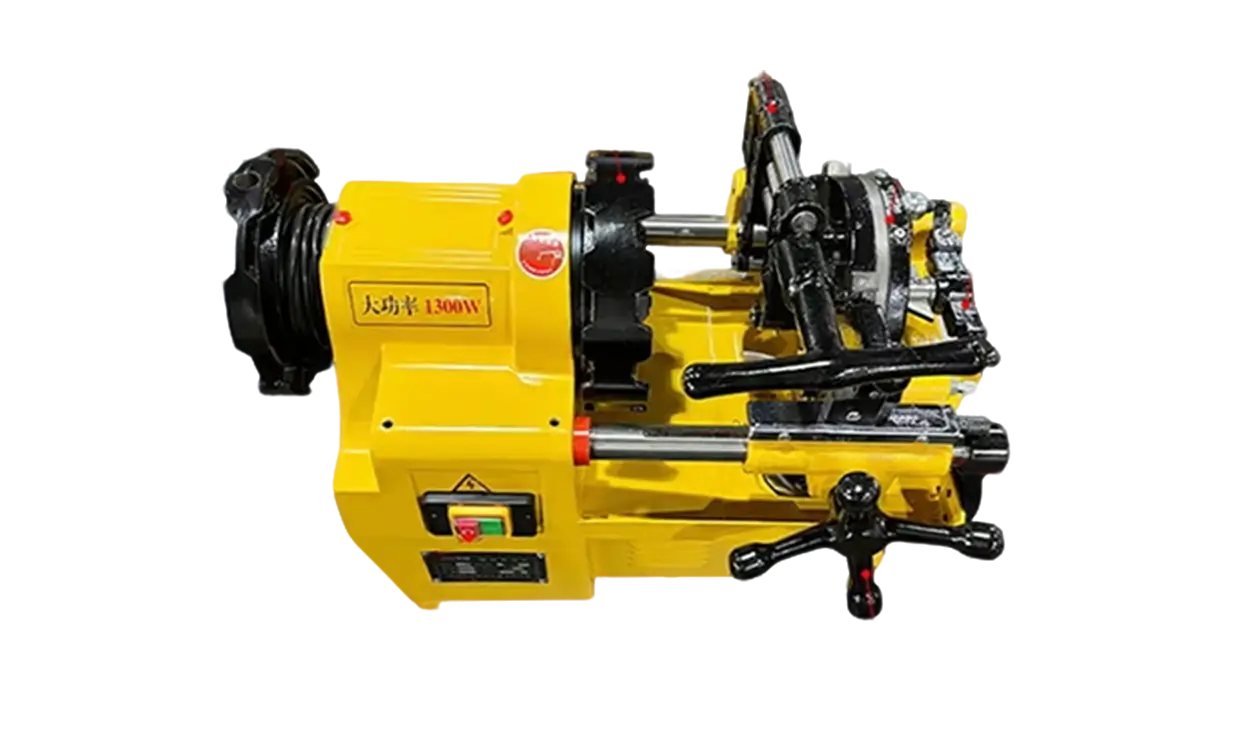
This SQ65 2.5-inch 15-65mm dual-speed electric pipe threading machine is a professional industrial tool engineered for precise pipe threading operatio...
See Details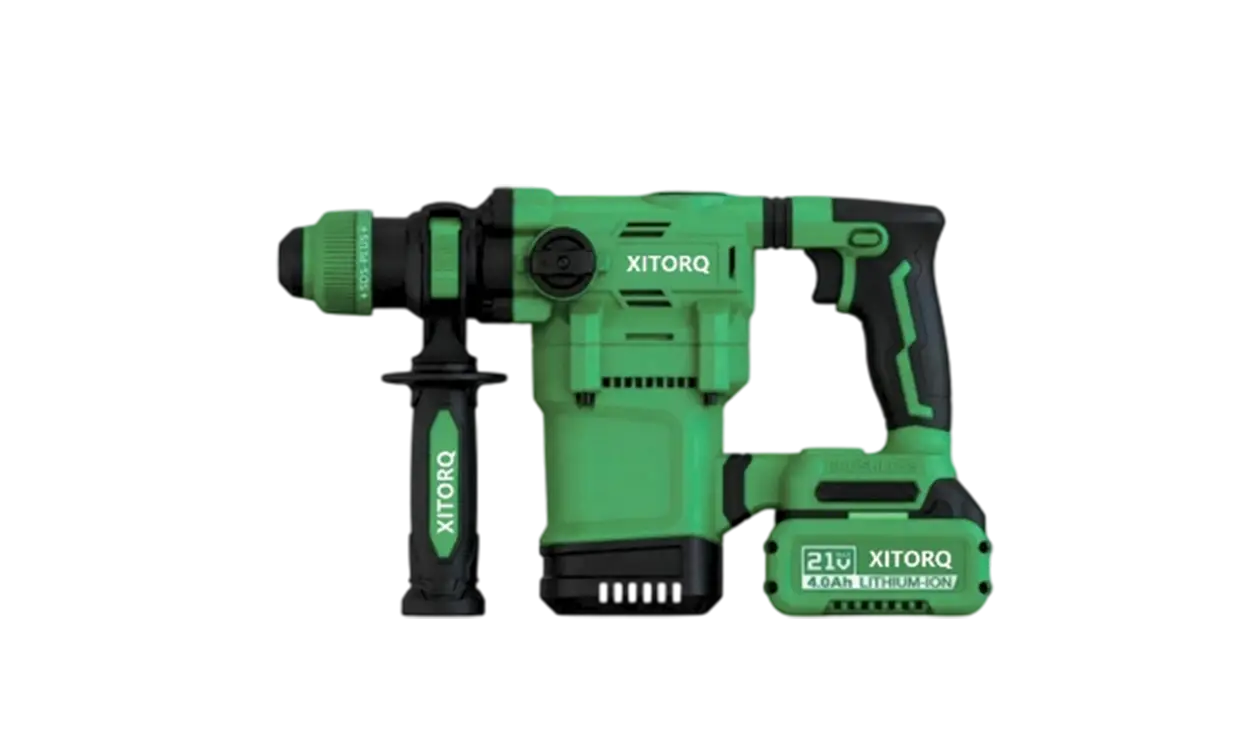
This 21V lithium-ion brushless rotary hammer is an industrial-grade tool designed for drilling and chiseling in concrete, stone, and other hard materi...
See Details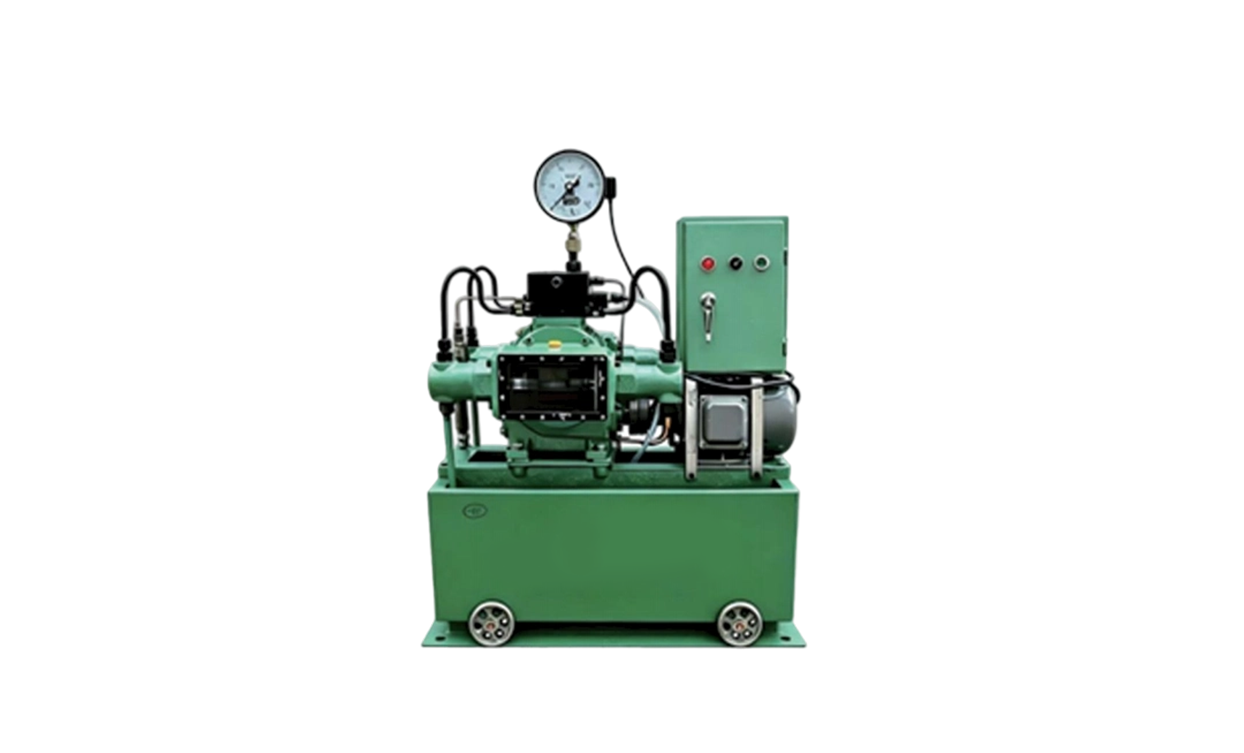
This 380V electric pressure test pump is a professional device designed for hydrostatic pressure testing and leak detection of pipes, valves, pressure...
See Details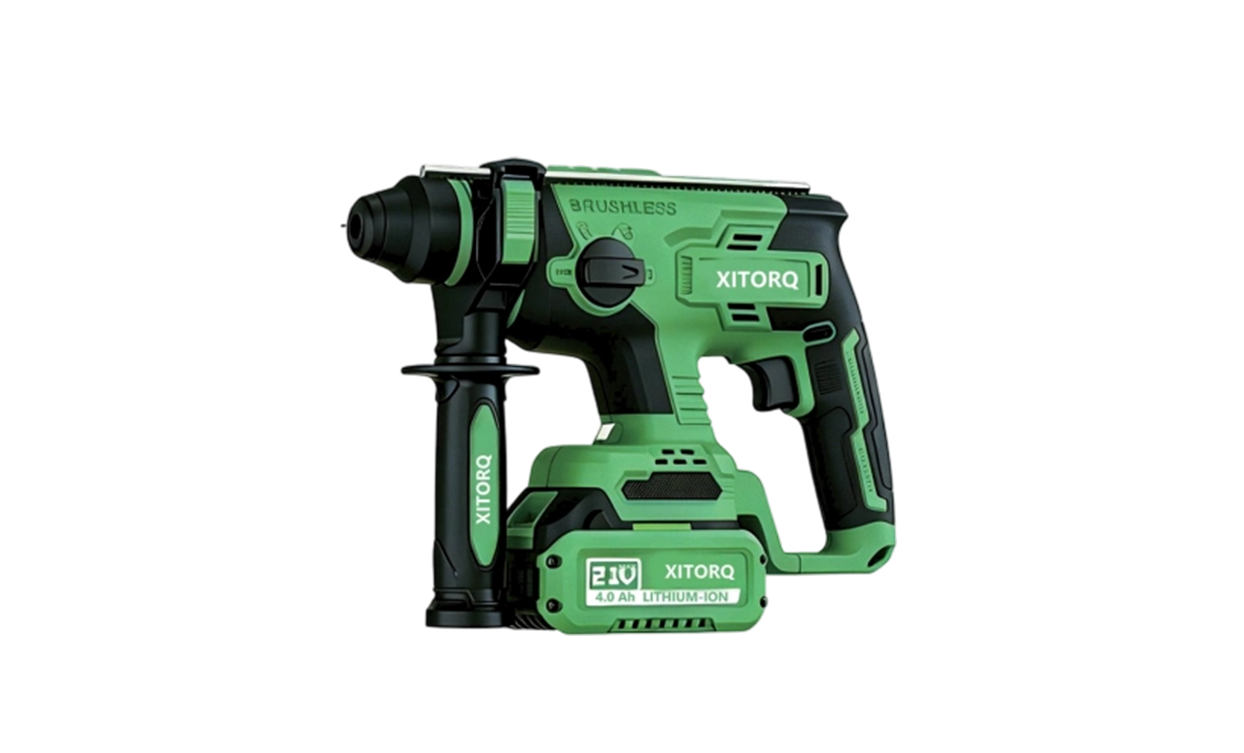
The XJ.709 21V lithium-ion high-magnetic brushless rotary hammer is an industrial-grade hammer from the Xiaojia brand. Equipped with a high-magnetic b...
See Details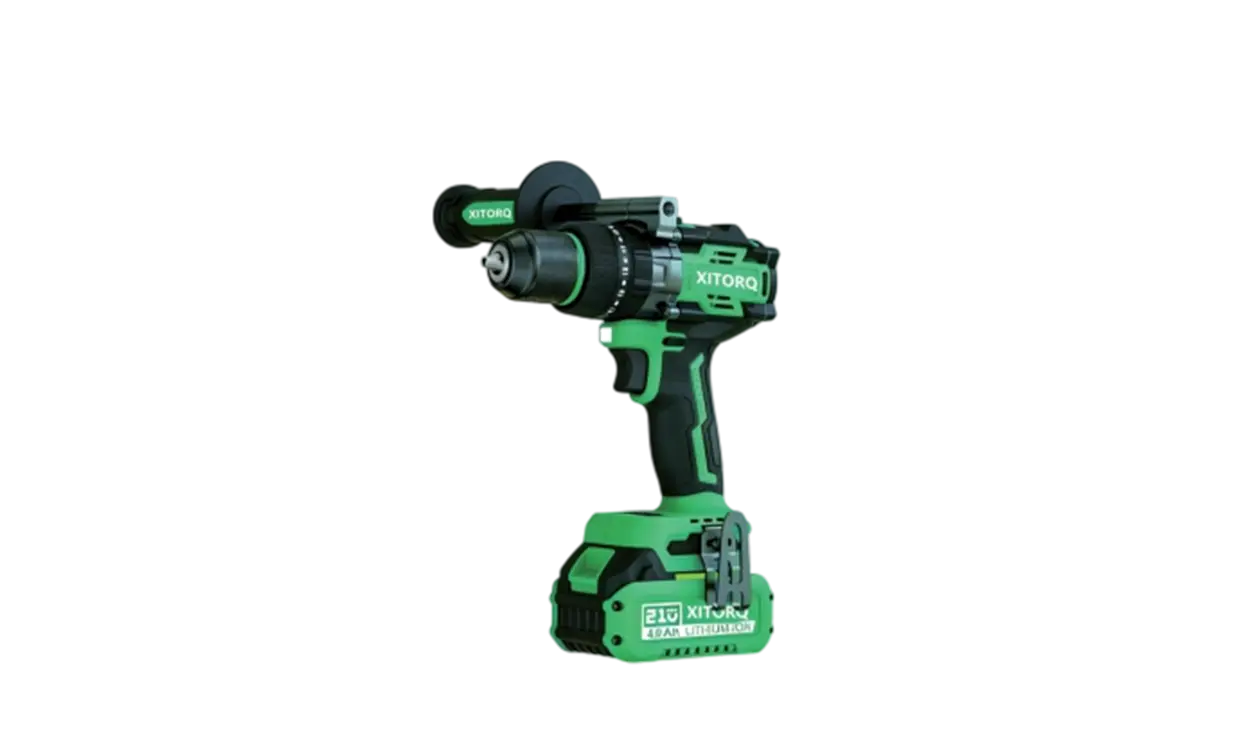
The XJ.615 21V lithium-ion brushless hammer drill/driver is a dual-purpose cordless drill from the Xiaojia brand. Powered by a 21V battery pack for co...
See Details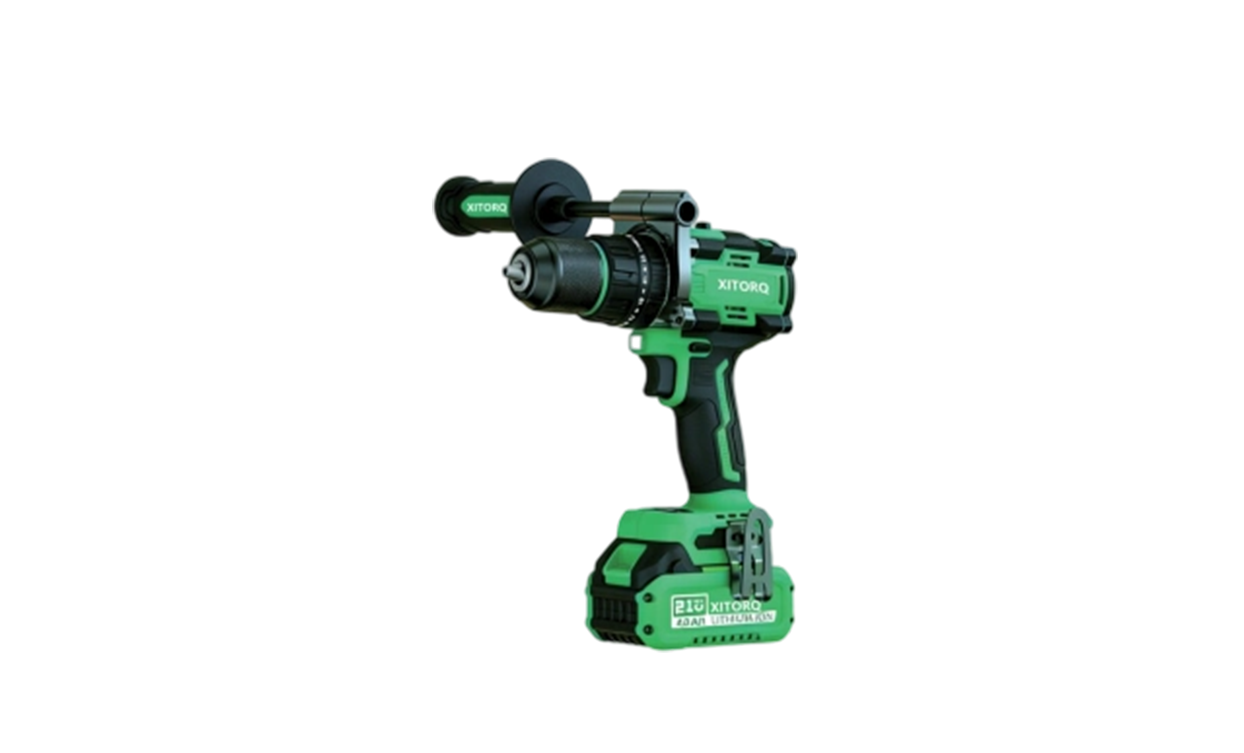
The XJ.617 21V lithium-ion brushless hammer drill/driver is a heavy-duty multi-function drill from the Xiaojia brand. Featuring an upgraded brushless ...
See Details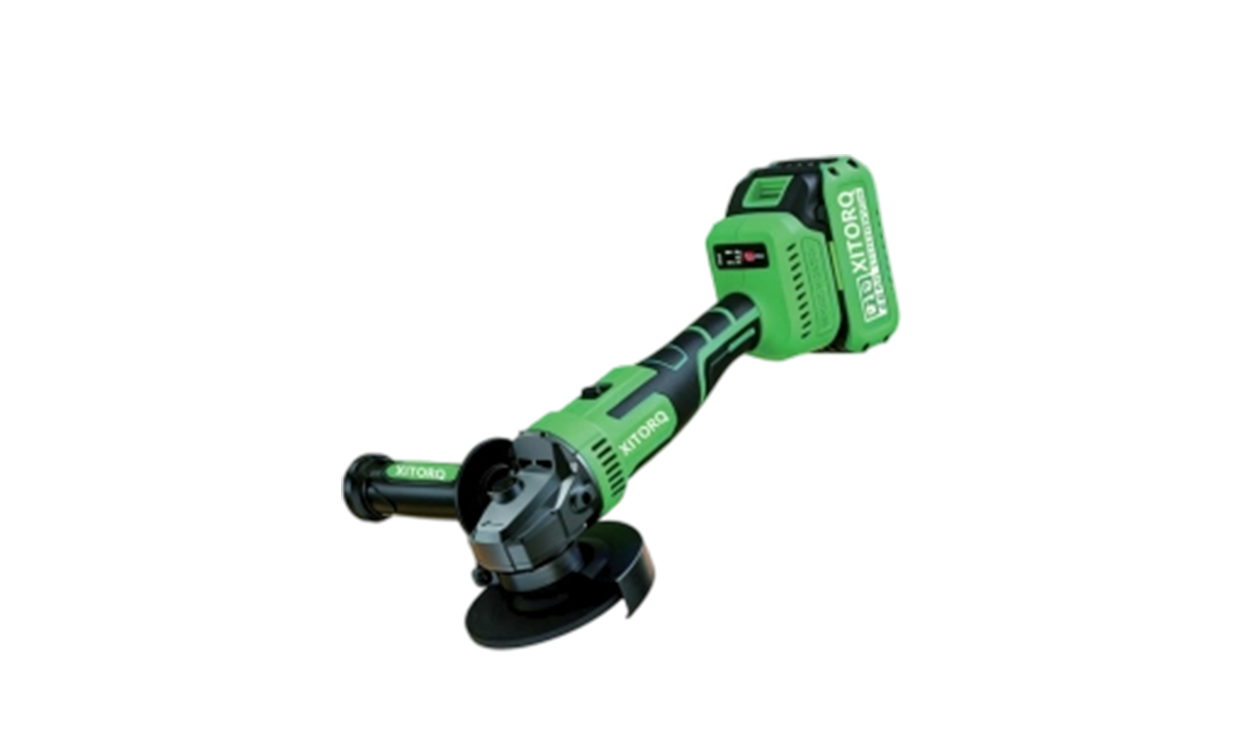
The XJ.908 21V lithium-ion high-magnetic brushless angle grinder is an industrial-grade grinder from the Xiaojia brand. Featuring a high-magnetic brus...
See Details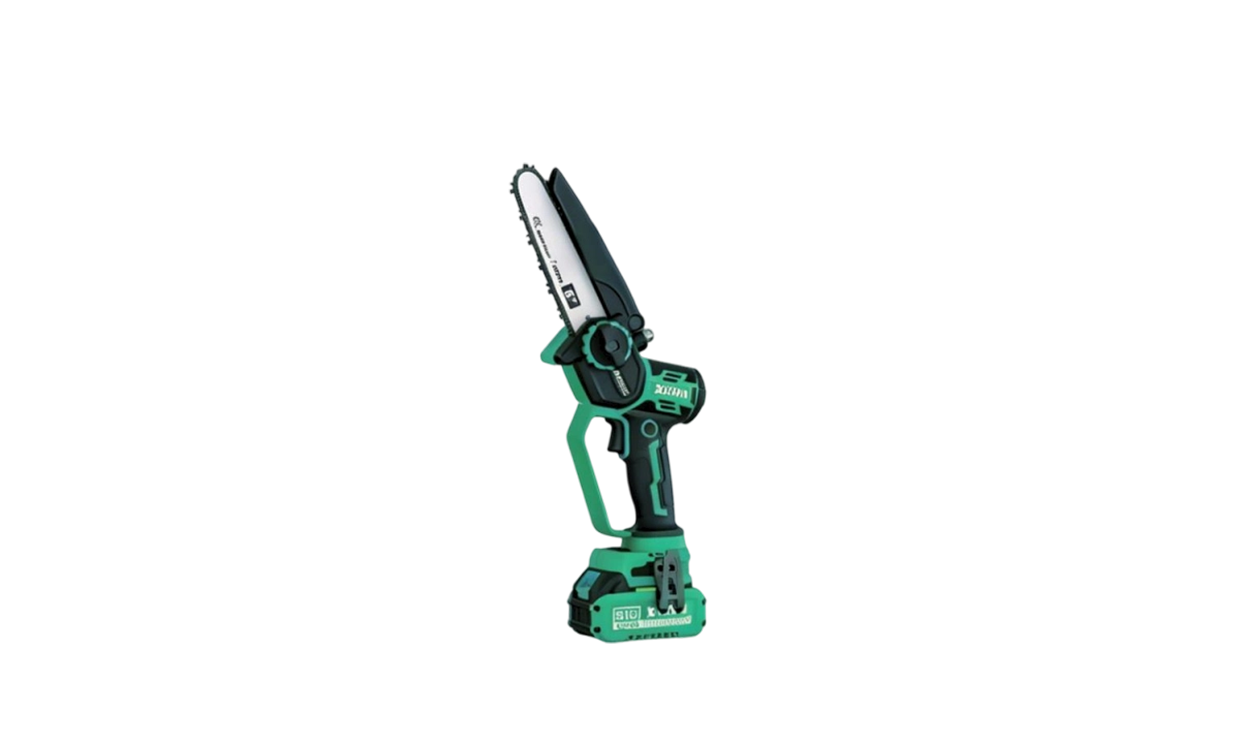
The XJ.206 16V 6" brushless electric chainsaw is a mid-sized lithium-ion chainsaw from the Xiaojia brand. Powered by a 16V brushless motor with a 6" g...
See Details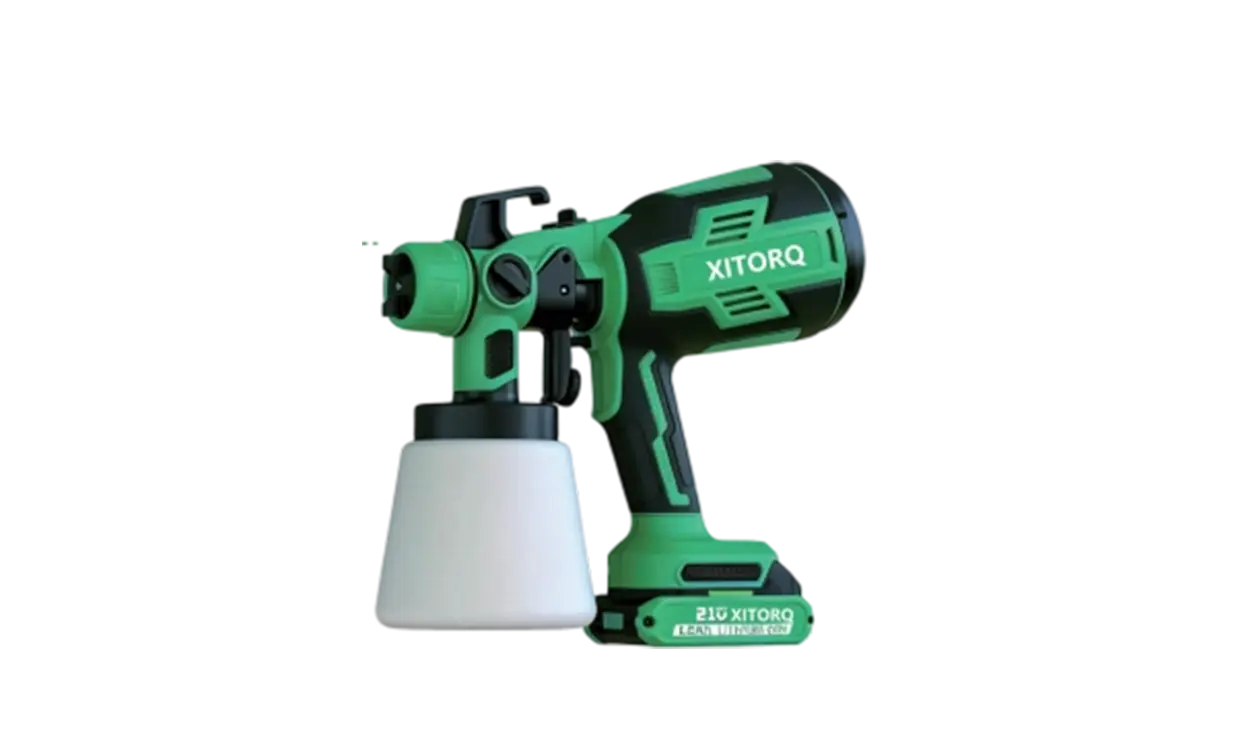
This 21V lithium-ion spray gun (Small Airplane model) is a portable cordless painting tool designed for paint spraying. Powered by a 21V brushless lit...
See Details
Copyright © by Hangzhou Xinabo Intelligent Electromechanical Technology Co., Ltd Rights Reserved. Pipe Threaders Manufacturers
