
 English
 Español
 عربى
عربى


F1200 Series Air Compressor
The F1200 Series Air Compressor is engineered for reliable, cost-effective compressed air supply, core to which are its high-efficiency oil-free desig...
See Details
Content
On a fire protection contract, the bracket work always comes before the first sprinkler branch line goes up: someone has to fabricate channel steel and angle steel supports, and every one of those supports needs fixing holes. Ask the fitter who drills a stack of holes in C-channel by hand what that stage is like, and you will hear the same three complaints—the bit wanders on the curved web, every hole needs filing afterward, and nothing lines up when the brackets are finally bolted in place. A lithium-ion hole puncher removes those problems in one stroke. It presses a clean, round, burr-free hole through steel in seconds, using hydraulic force in the 80 kN class and drawing power from the same 21V battery pack as the rest of your cordless tools. For repetitive fixing holes in mild steel up to roughly 4 mm thick, a cordless puncher beats a drill on speed, hole quality, and site safety. The rest of this guide explains how the tool works, where it fits into fabrication work, which specifications decide performance, and what to check before buying.
Inside the housing sits a compact hydraulic system. A battery-driven motor runs a pump, the pump pressurizes a cylinder, and the cylinder draws a punch through a matching die. Nothing cuts flutes the way a drill bit does. The punch shears the material, pushes a slug of steel out the far side, and leaves a hole that stays round and dimensionally consistent from the first hole of the day to the hundredth.
Force is the heart of the tool. Professional 21V units deliver around 80 kN of punching force—roughly eight tonnes of pressure at the punch face—which is enough to punch the gauges of channel steel, angle steel, and plate commonly fabricated into supports and hangers. Hole size is set by the punch and die pair fitted at the time, so a job with three hole diameters simply means three die changes rather than three setups.
Compared with the bench-mounted hydraulic punches long used in fabrication shops, the cordless version gives up nothing that matters on site. There is no power pack to drag around, no hoses to route, and no cord to trip over at height. The tool goes where the steel is, and on a construction site that is usually up a ladder.
The tool pays for itself wherever mild steel needs fixing holes in quantity. Fire protection crews punch hanger brackets, support arms, and base plates for sprinkler mains and branch lines. Building services and HVAC teams use it for cable tray supports, duct hangers, and equipment frames. Electricians punch enclosures and panel boards, and rack fabricators rely on it for bolt holes in angle steel.
Punching is cold work. There are no sparks and no glowing swarf, so there is no hot-work permit, no fire watch, and no risk of ignition near combustible dust or residual fluids—worth a great deal in occupied buildings, data centers, and plant rooms. The process is also quiet enough to run during shifts when grinding would be unwelcome.
Punched supports usually sit alongside threaded pipework on the same contract. If your crew also cuts and threads pipe on site, it helps to understand how electric pipe threading machines are applied across construction and HVAC work, because the two processes often share the same fabrication area and the same handling habits.
Contractors who switch rarely go back for repetitive work, and the reasons show up clearly when the two methods are compared on the same steel.
| Factor | Cordless Hole Puncher | Hand Drill or Drill Press |
|---|---|---|
| Hole quality | Round, burr-free, consistent hole after hole | Burrs on the exit side; often needs deburring |
| Speed once positioned | A few seconds per hole | Slower; center punching and deburring add steps |
| Skill required | Low; clamp, align, press | Moderate; bit control is difficult on curved webs |
| Sparks and heat | None; cold shearing | Hot chips; ignition risk near flammables |
| Hole sizes | Fixed by the dies supplied | Any size within bit range |
| Practical thickness limit | Bounded by the punch force rating | Bounded by bit length and machine rigidity |
The limits are as practical as the advantages. Punchers produce fixed diameters, so every new hole size needs a die, and the maximum thickness is bounded by the force rating—very heavy sections remain drill work. Respect the minimum edge distance and hole spacing stated by the manufacturer, or the steel will bulge at the edge instead of shearing cleanly. Inside those limits, the puncher is the faster and cleaner option for repetitive holes.
A headline kN figure means little until it is matched to the steel you actually punch. Shearing force scales with hole perimeter, material thickness, and the shear strength of the alloy, which runs roughly 300 to 450 MPa for common mild steels. Ask suppliers for the maximum rated thickness per die size rather than a single number for the tool. An 80 kN unit comfortably covers the channel steel and angle steel profiles used for hangers and supports; thicker plate or high-strength alloy is a different conversation.
21V lithium-ion hole puncher with 80 kN punching force and extended channel steel capacity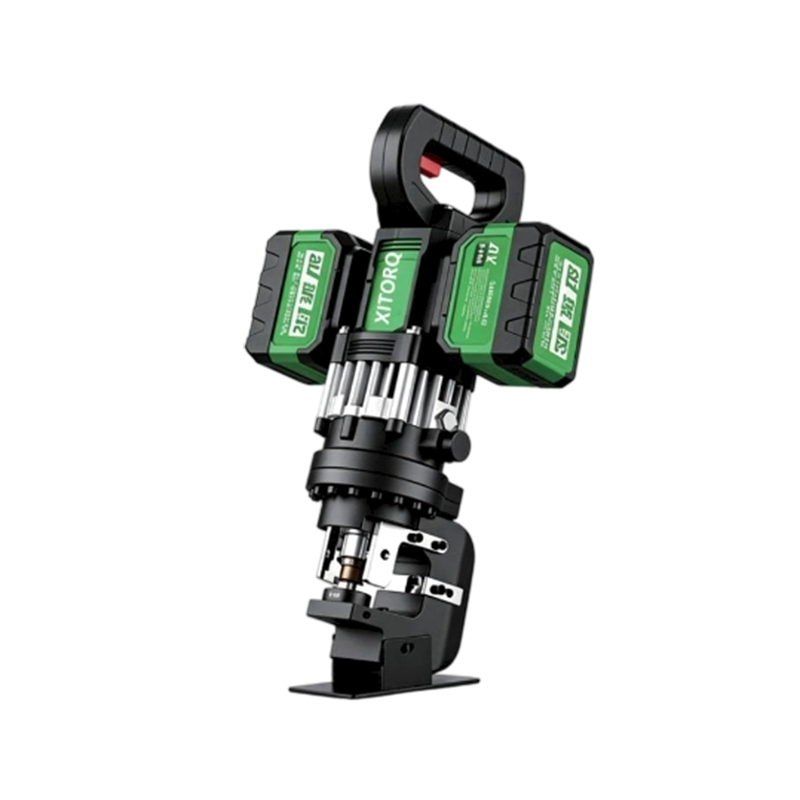 21V Cordless Channel Steel Hole Puncher, 80kN, φ6–20mmThis portable hydraulic puncher handles channel steel, angle steel, and plate with an extended throat for mid-web holes. With force matched to common mild steel thicknesses, it suits hanger, support, and cable tray work.View Product →
Throat depth decides whether the punch can reach the middle of a web. C-channel puts the hole center well away from the tool frame, so check the rated channel capacity against the deepest profile you fabricate. An extended throat removes the awkward workaround of approaching a hole from both edges of the section.
A puncher is only as convenient as its battery. Tools built on a shared 21V platform let crews swap packs between the puncher, wrenches, drills, and cutters already on the truck, which lowers the cost per tool and keeps charged packs rotating through the work. Cycle time matters too: a few seconds per hole once clamped means a full set of brackets is finished before a comparable drill setup would even be centered.
the cordless power tools range built on one shared 21V battery platform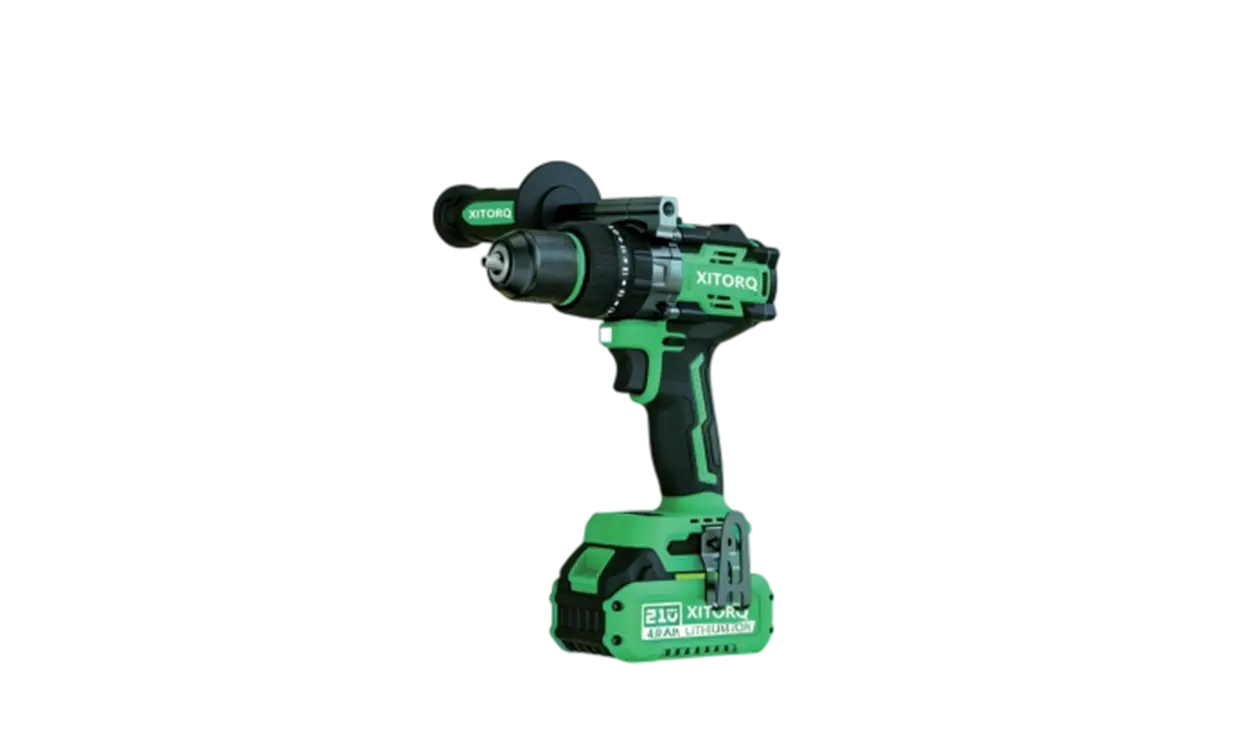 Xinabo Pipeline Connection Equipment SolutionsXinabo supplies cold cutting saws, intelligent threading machines, and pipe twisting machines covering cutting through connection. Its 21V battery platform lets crews share packs across the puncher and other site tools efficiently.View Product →
The tool itself asks for little, but a few habits separate crews that get years of service from those that wear out punch sets in months:
None of this is onerous. A crew that follows it can expect thousands of clean holes from a single punch set on repetitive bracket work.
A hole puncher is a pressure tool with a motor attached, so build quality and after-sales support deserve as much attention as the specification sheet. Look for a manufacturer with patents behind the hydraulic design, product certifications you can verify, and a track record in the trades that use the tool daily.
That is the profile of Xinabo (Hangzhou Xinabo Intelligent Electromechanical Technology Co., Ltd.). The company's founder spent more than twenty years in pipe construction before leading over a decade of development on intelligent pipe threading machines, now in their ninth generation, and the firm holds 30 patents along with national high-tech enterprise status. The lithium-ion hole puncher belongs to the same cordless range built for fire protection and construction crews, designed around the same site problems the company's larger machines solve. To discuss die sizes, battery options, or volume pricing, contact the team through the contact page.
the complete lithium-ion hole puncher lineup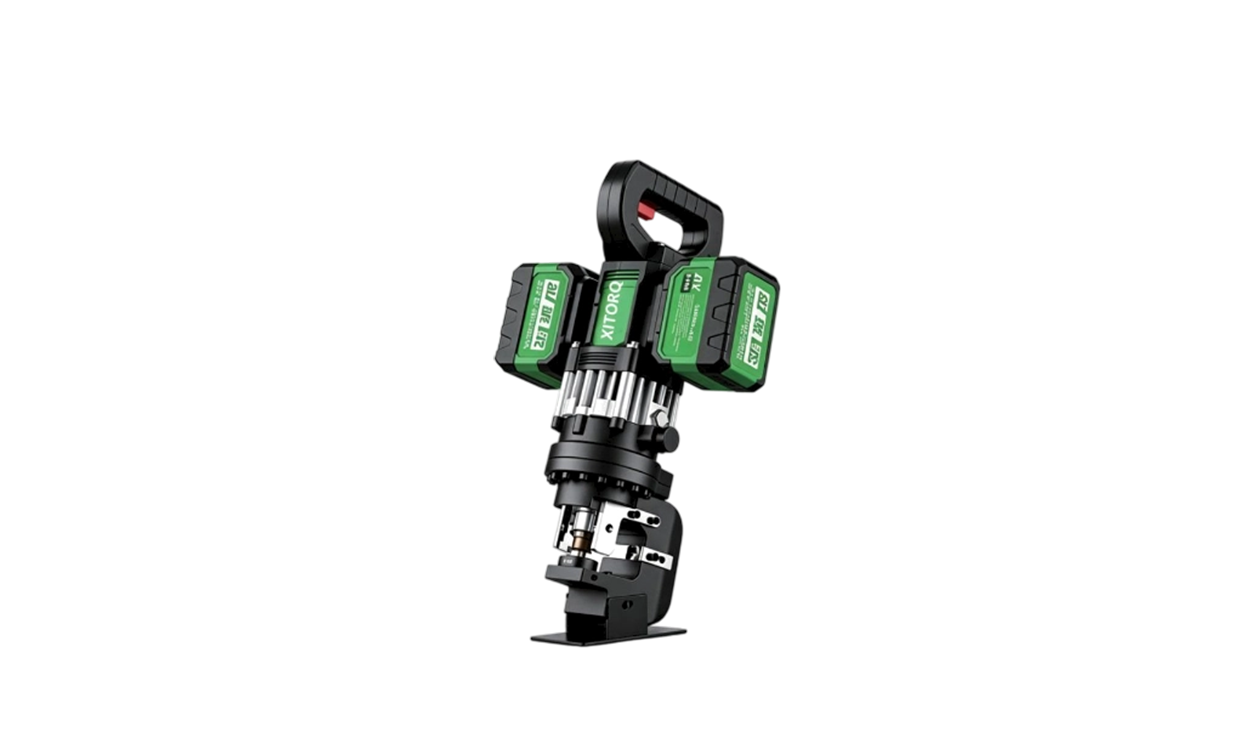 Xinabo Intelligent Pipe Machinery from HangzhouBacked by two decades of pipe construction experience and 30 patents, Xinabo builds cordless tools for fire protection and construction crews. Contact the team for die sizes, battery options, and volume pricing.View Product →
A cordless puncher will not replace a drill for every hole on site, and it is not meant to. For the repetitive work that actually consumes crew time, though—bracket holes in channel steel, hanger plates, cable tray supports—it is faster per hole, cleaner at the hole, and safer around an occupied building. Match the force rating to your steel, check the throat depth against your profiles, and buy into a battery platform your other tools already share. Make those three calls correctly and the tool pays for itself within the first few hundred holes.
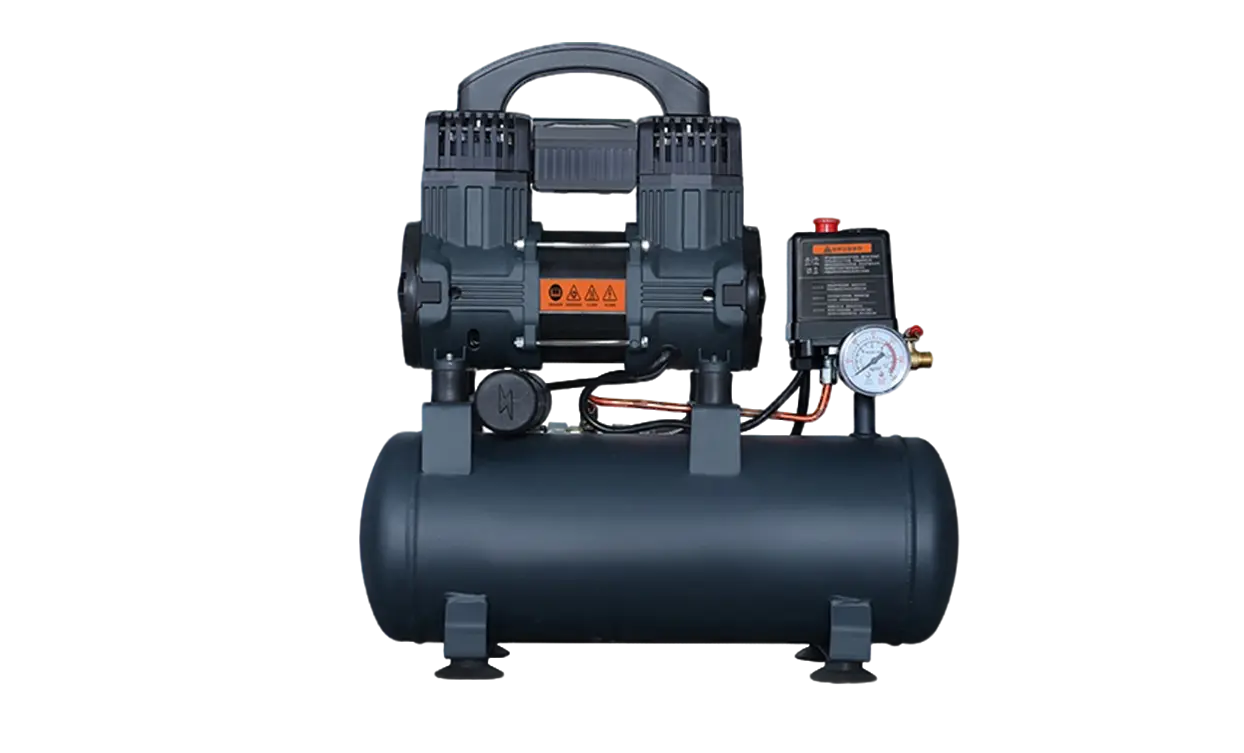
The F1200 Series Air Compressor is engineered for reliable, cost-effective compressed air supply, core to which are its high-efficiency oil-free desig...
See Details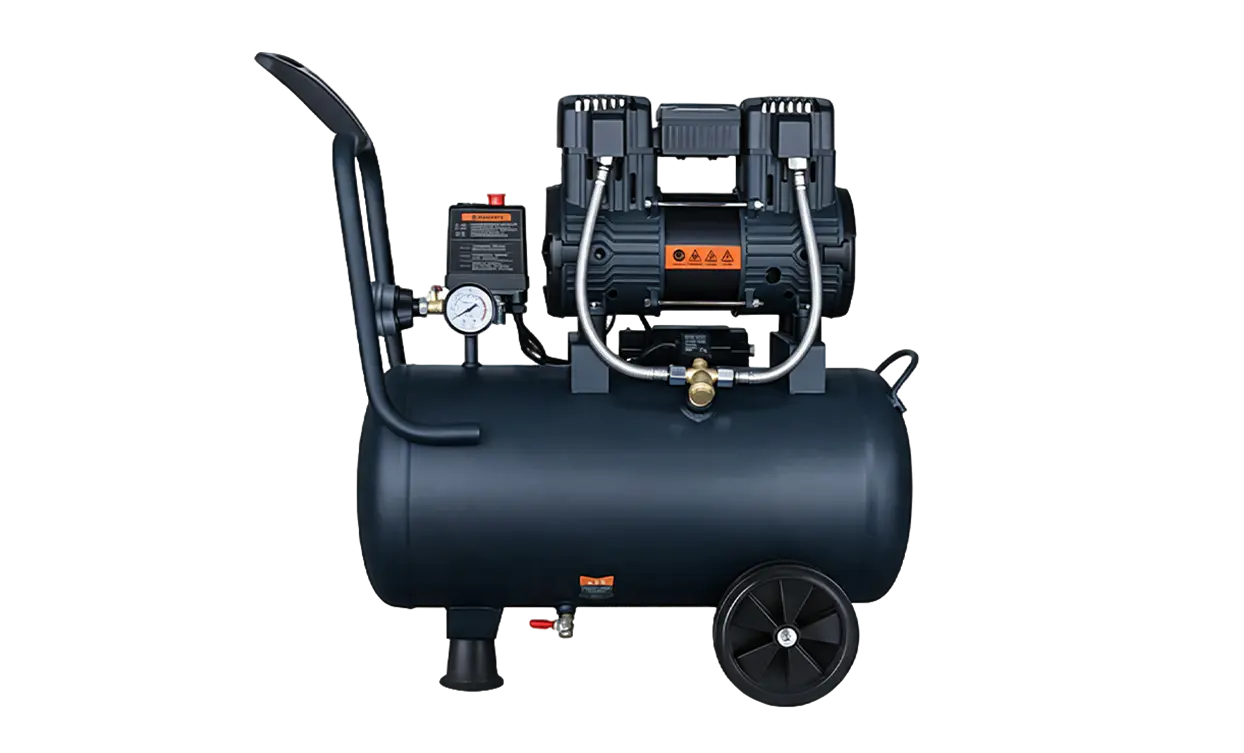
The F1680 Series Air Compressor is engineered for stable and efficient air supply, featuring core technologies of multi-cylinder compression, rapid ai...
See Details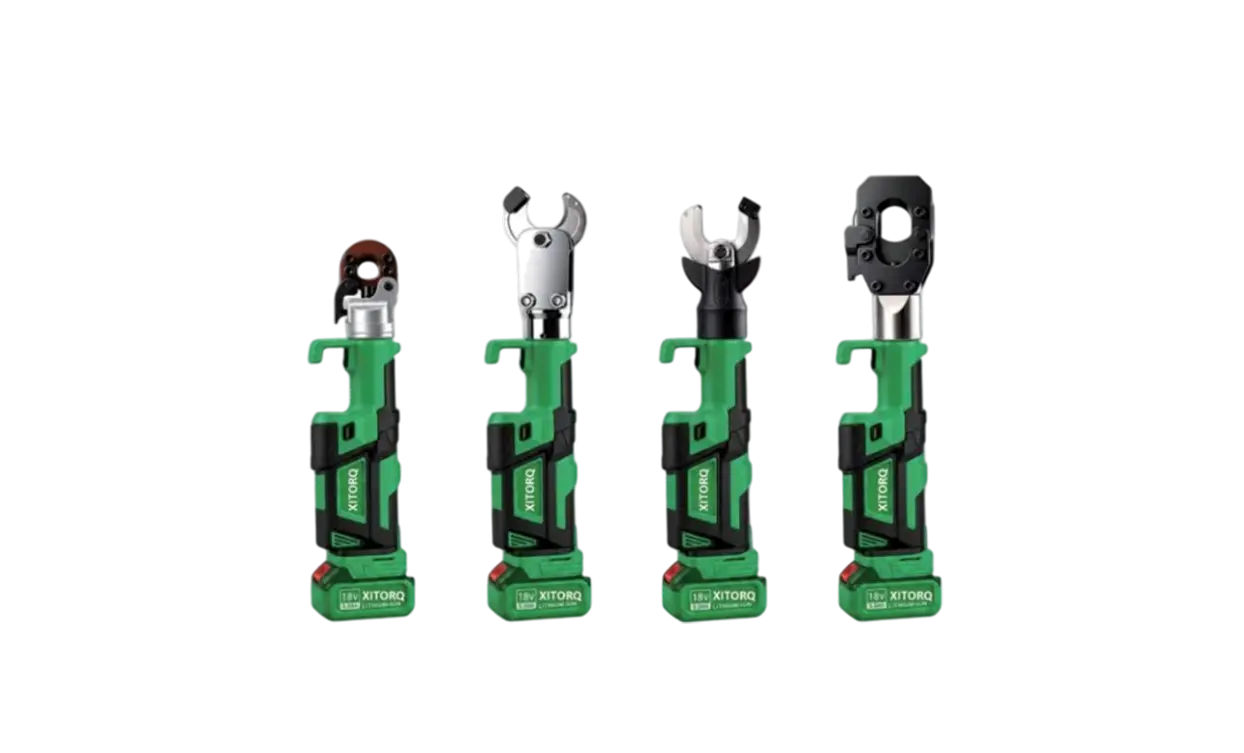
This 18V lithium-ion industrial cable cutter is a professional tool designed for large-diameter cable cutting. It features a brushless lithium-ion pow...
See Details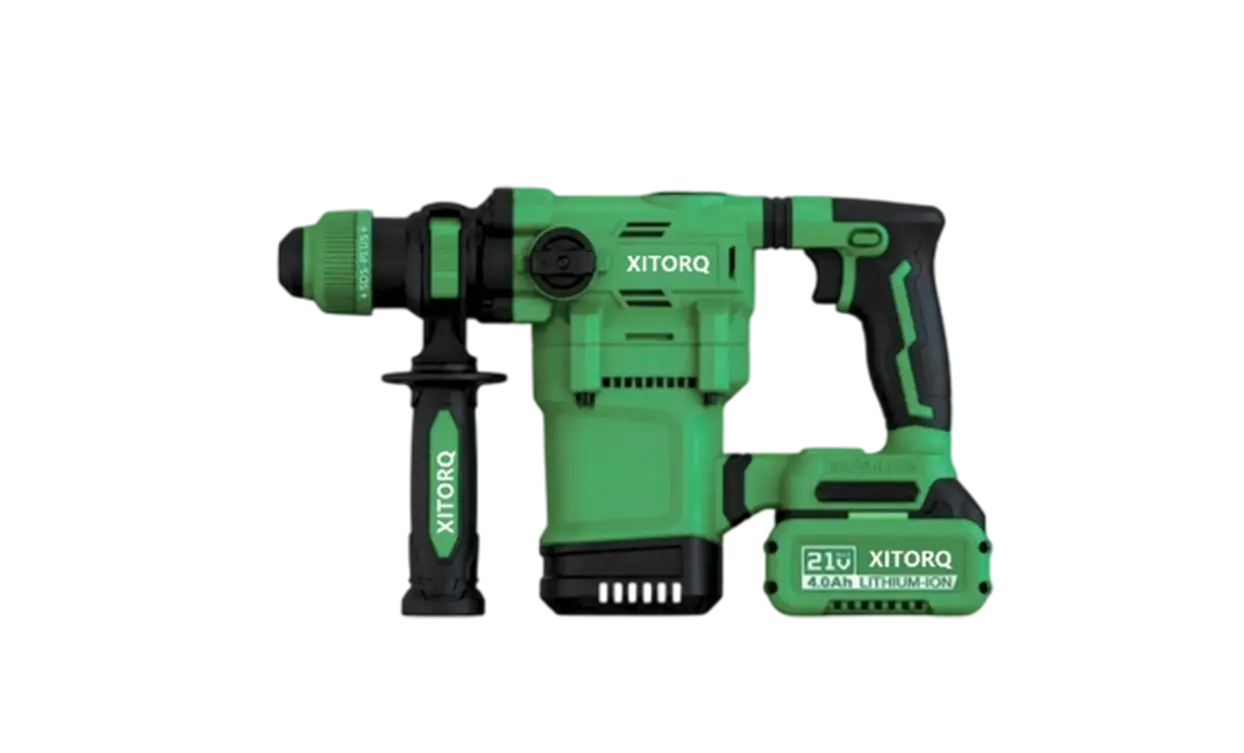
This 21V lithium-ion brushless rotary hammer is an industrial-grade tool designed for drilling and chiseling in concrete, stone, and other hard materi...
See Details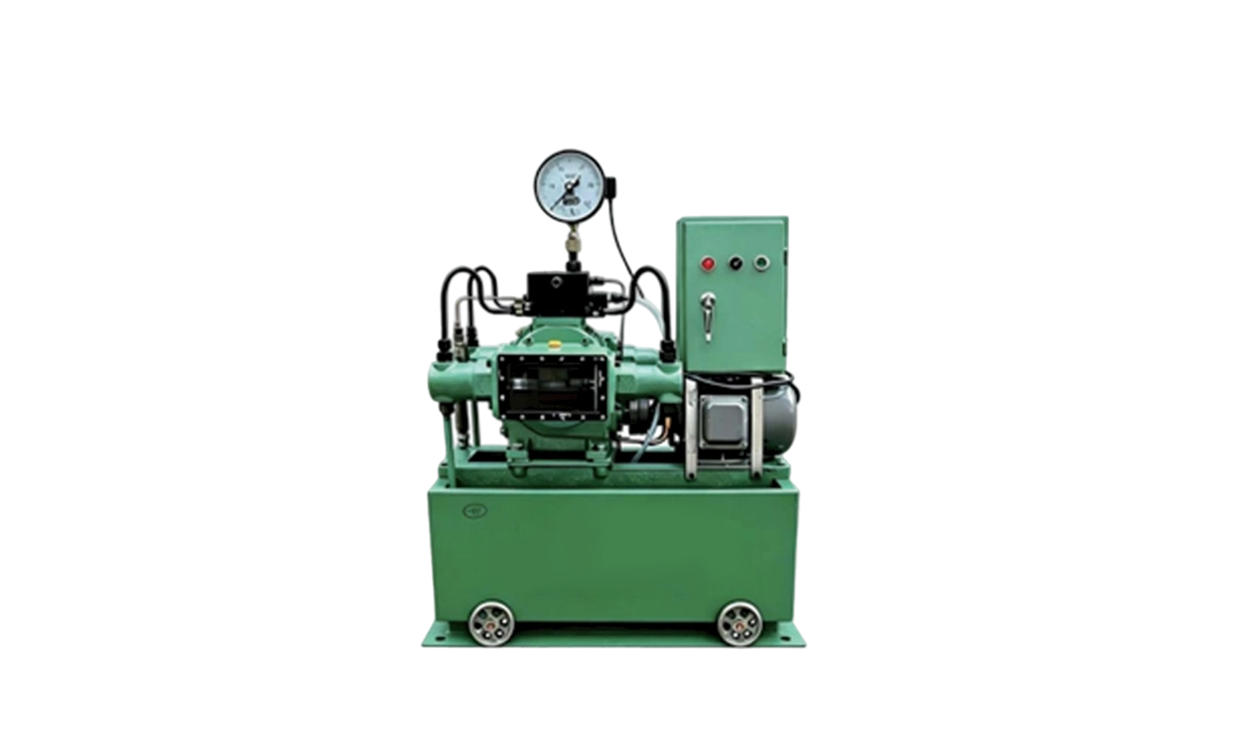
This 380V electric pressure test pump is a professional device designed for hydrostatic pressure testing and leak detection of pipes, valves, pressure...
See Details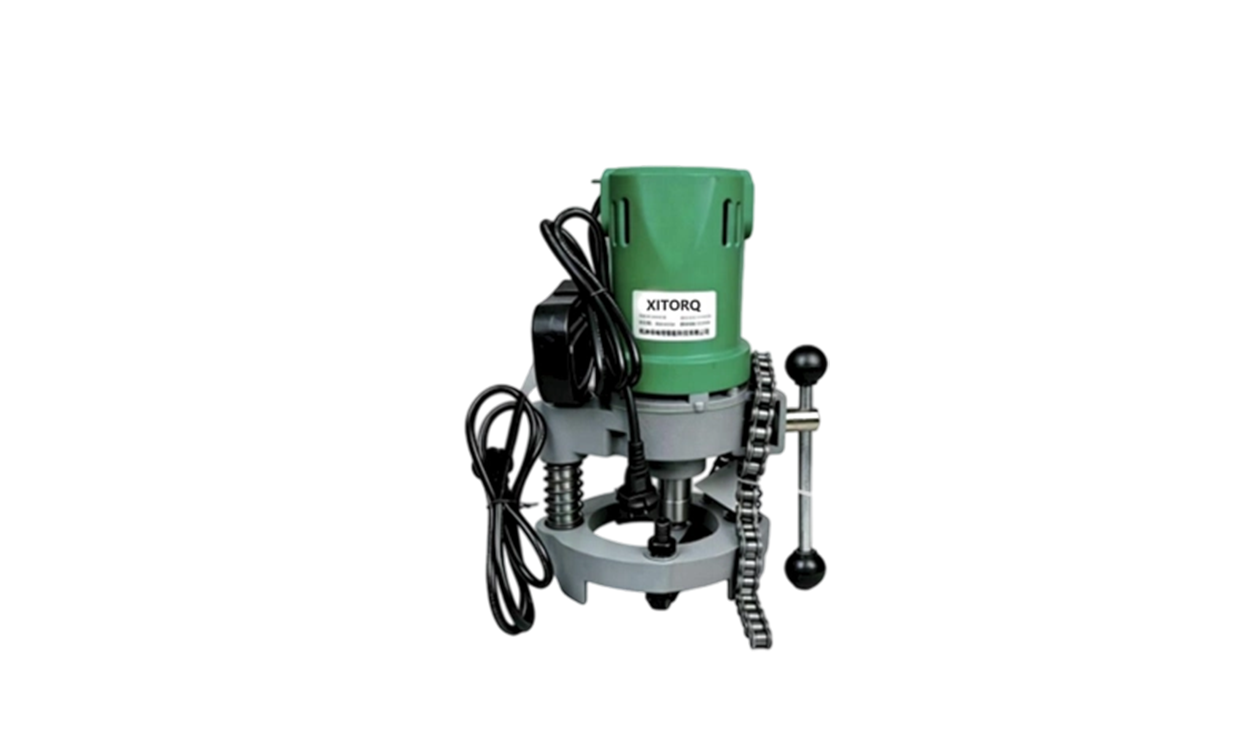
This 220V Fire Pipe Drilling Machine is a professional device designed for hole cutting on fire protection and plumbing pipes. Powered by a 220V indus...
See Details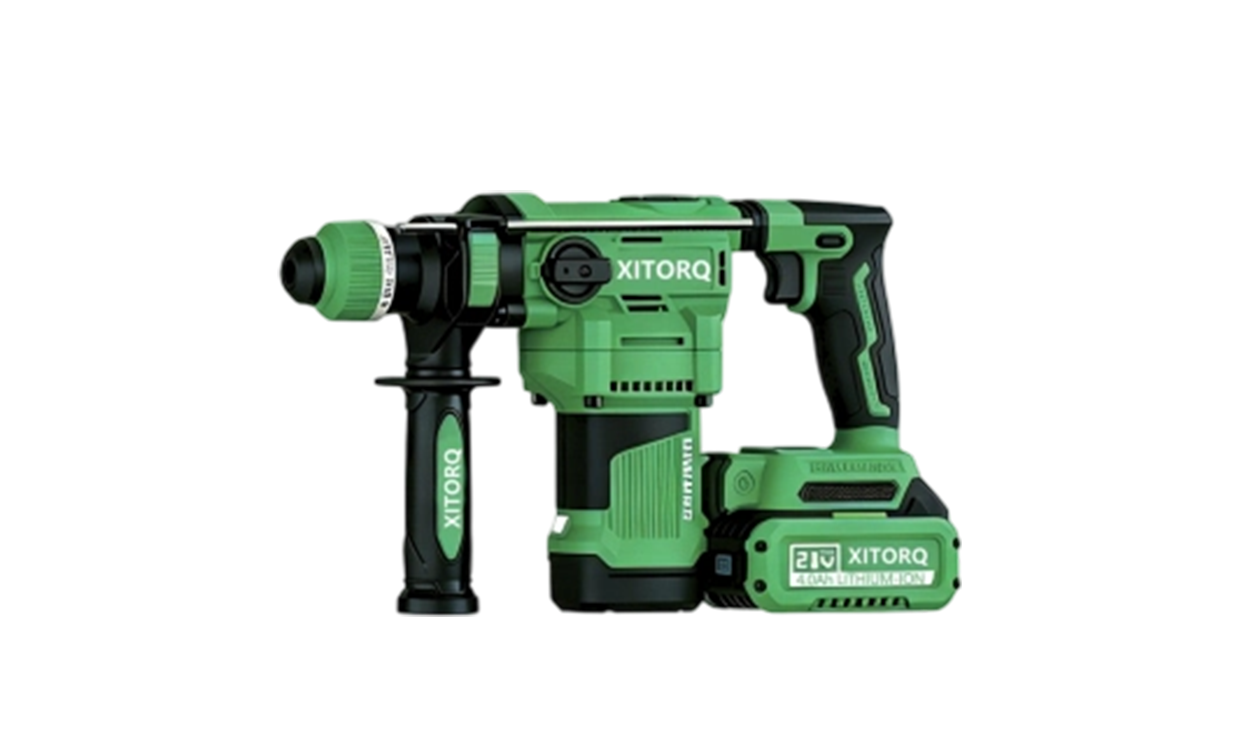
The XJ.728 21V lithium-ion high-magnetic brushless rotary hammer is a heavy-duty industrial-grade hammer from the Xiaojia brand. Featuring an upgraded...
See Details
The XJ.615 21V lithium-ion brushless hammer drill/driver is a dual-purpose cordless drill from the Xiaojia brand. Powered by a 21V battery pack for co...
See Details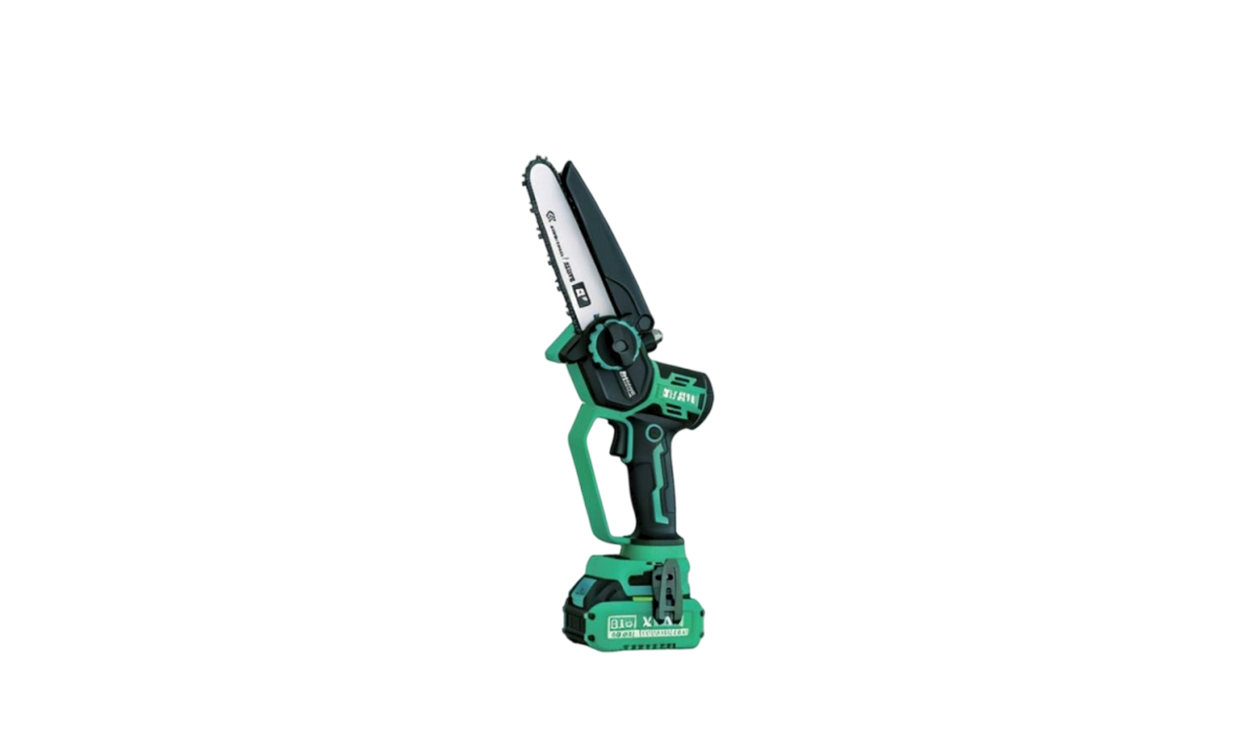
The XJ.204 16V 4" brushless electric chainsaw is a compact lithium-ion chainsaw from the Xiaojia brand. Powered by a 16V brushless motor with a 4" gui...
See Details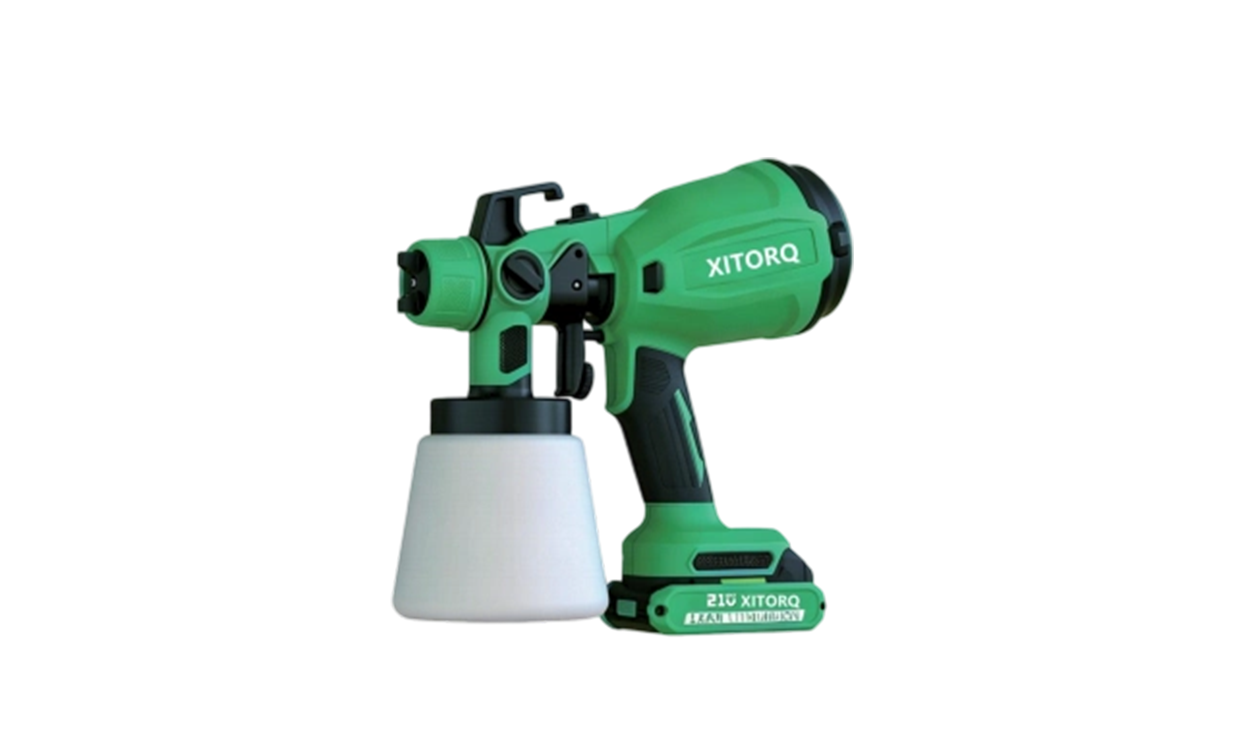
The 21V lithium-ion spray gun MT is an industrial-grade cordless spray gun from the Xiaojia brand. Featuring an upgraded brushless motor with enhanced...
See Details
Copyright © by Hangzhou Xinabo Intelligent Electromechanical Technology Co., Ltd Rights Reserved. Pipe Threaders Manufacturers
