Precision Torque Control and the Automatic Return Cycle
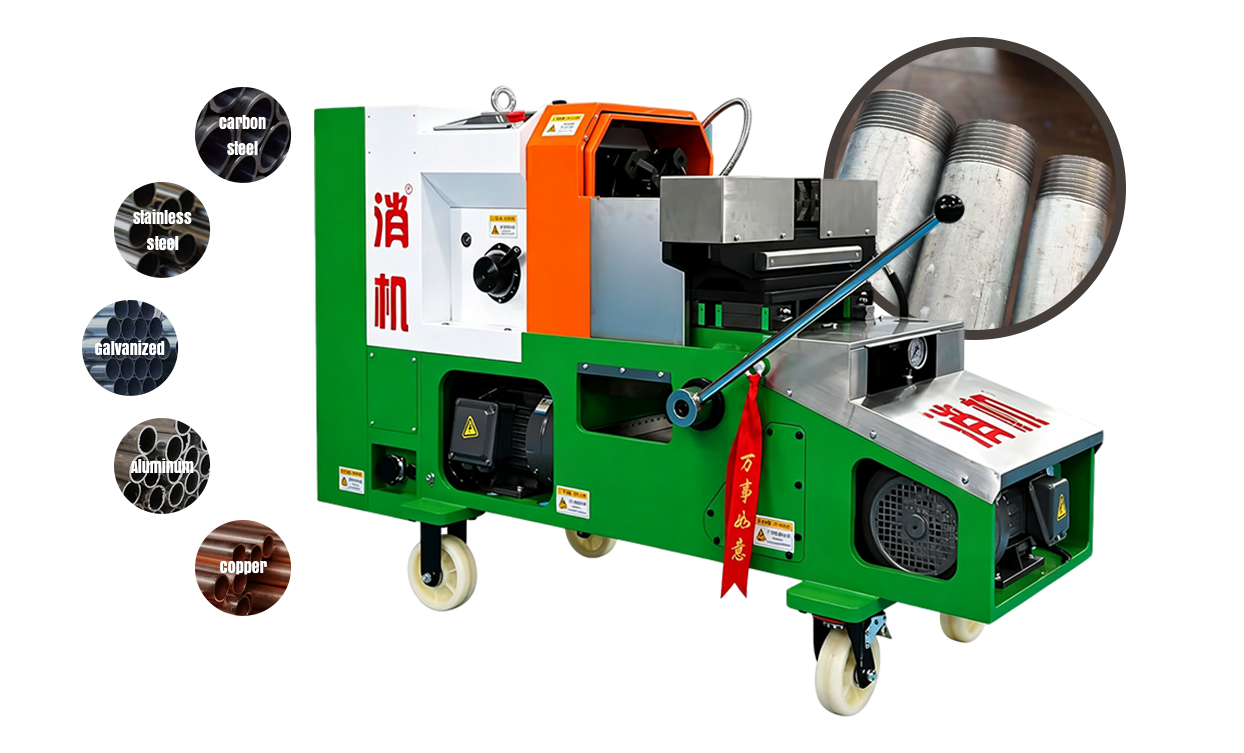
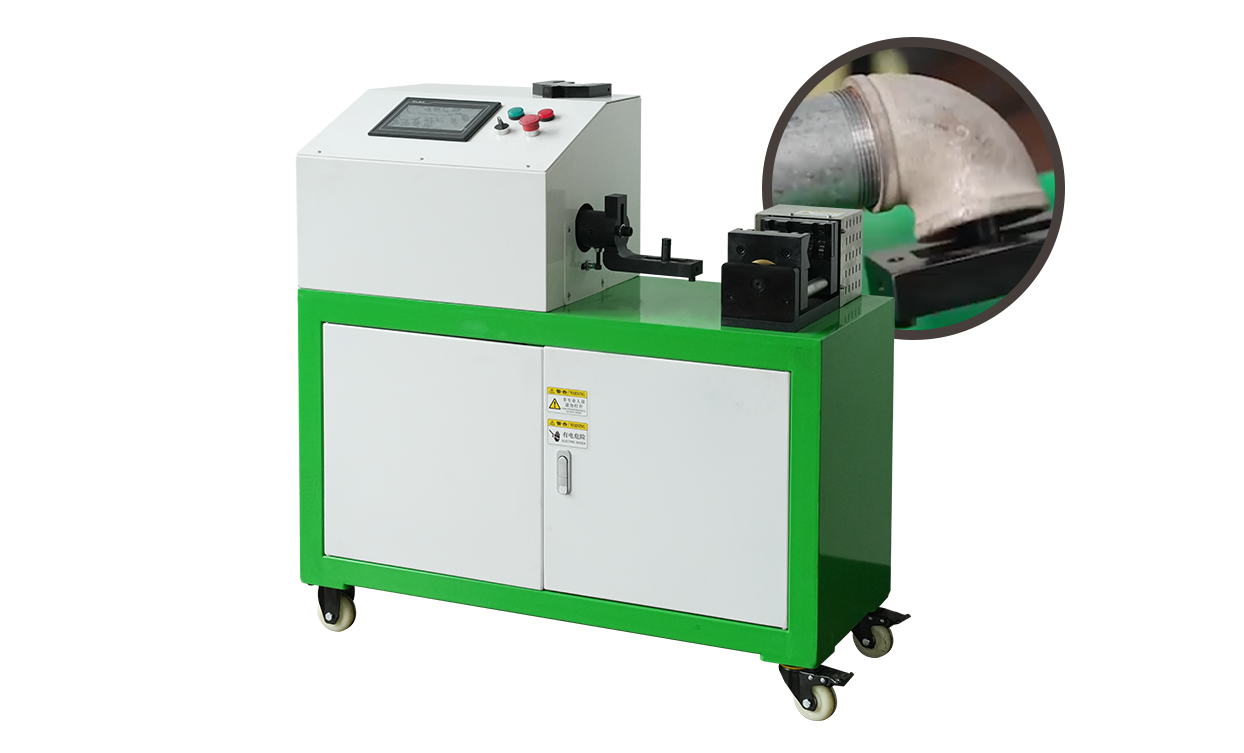
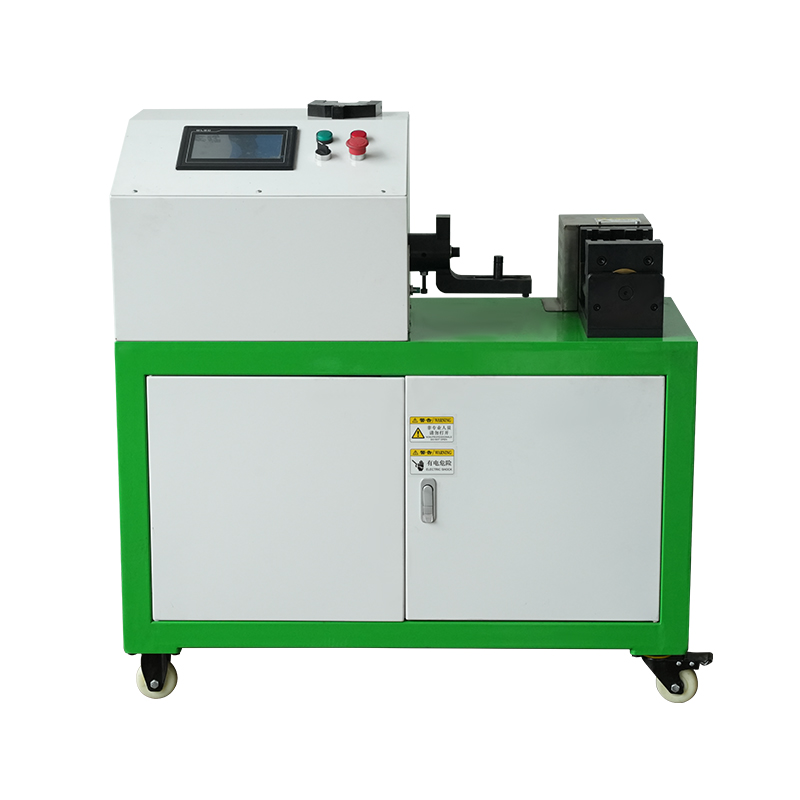
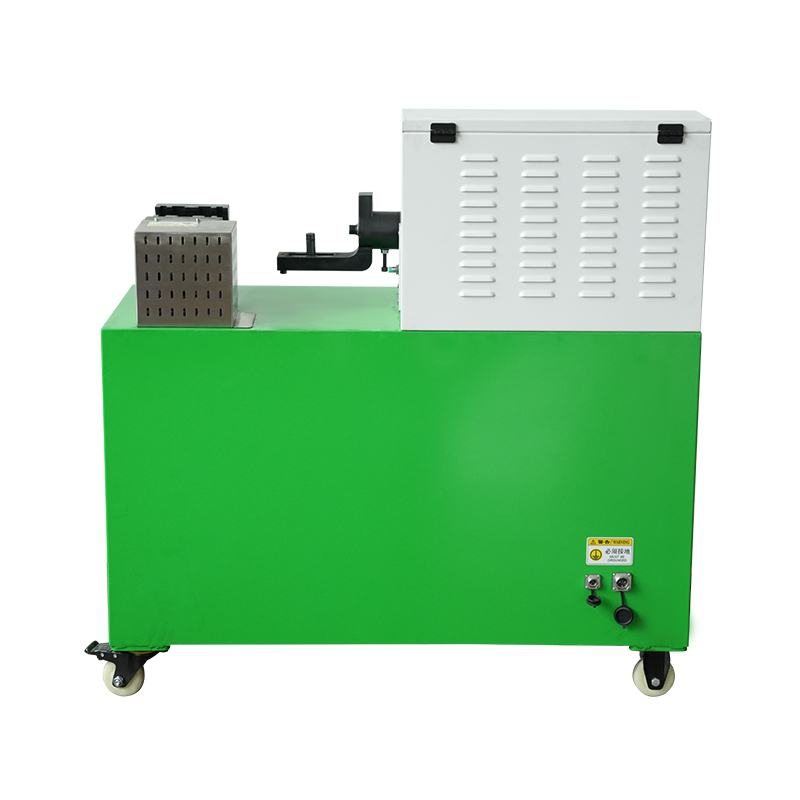
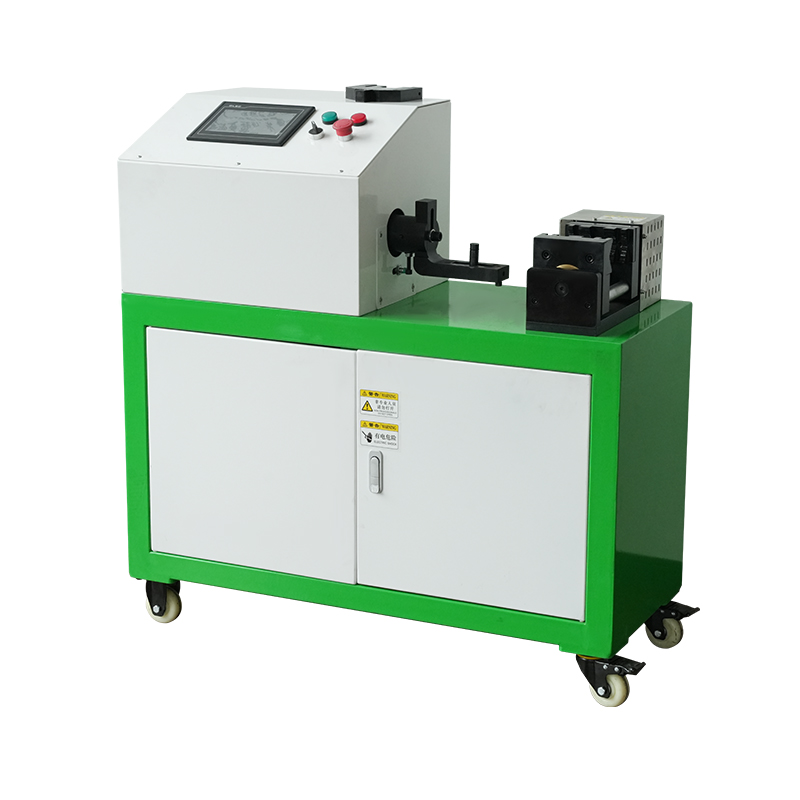
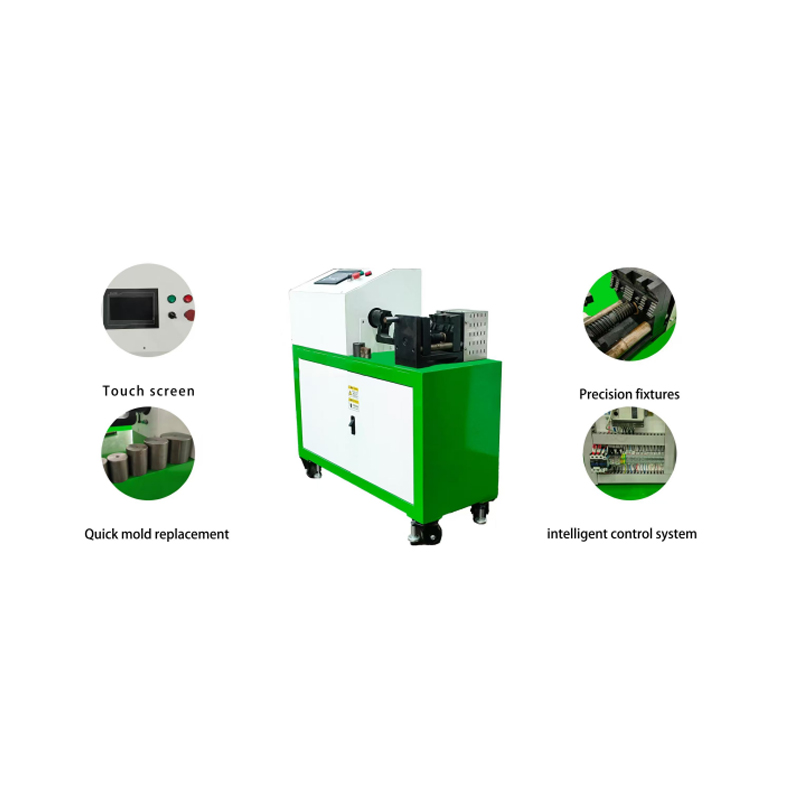
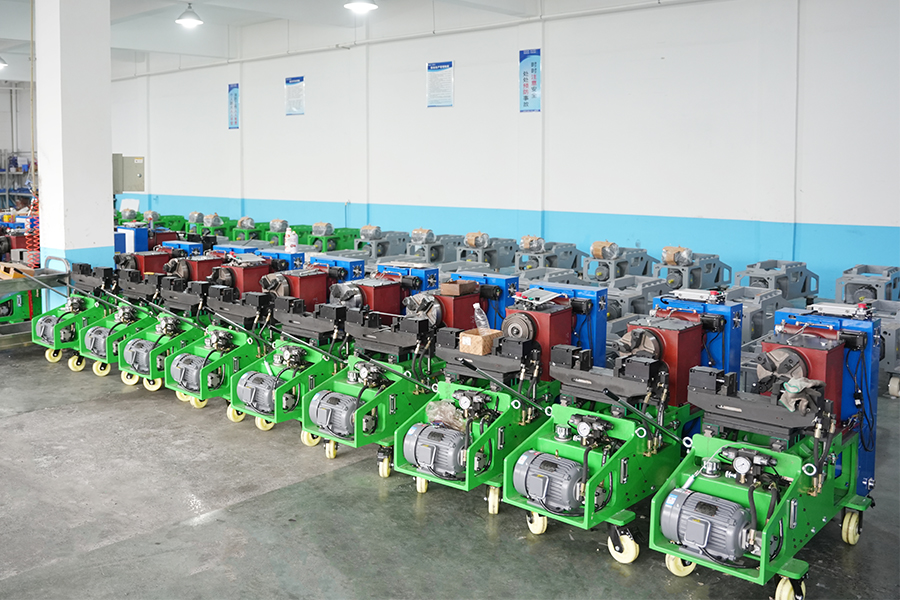
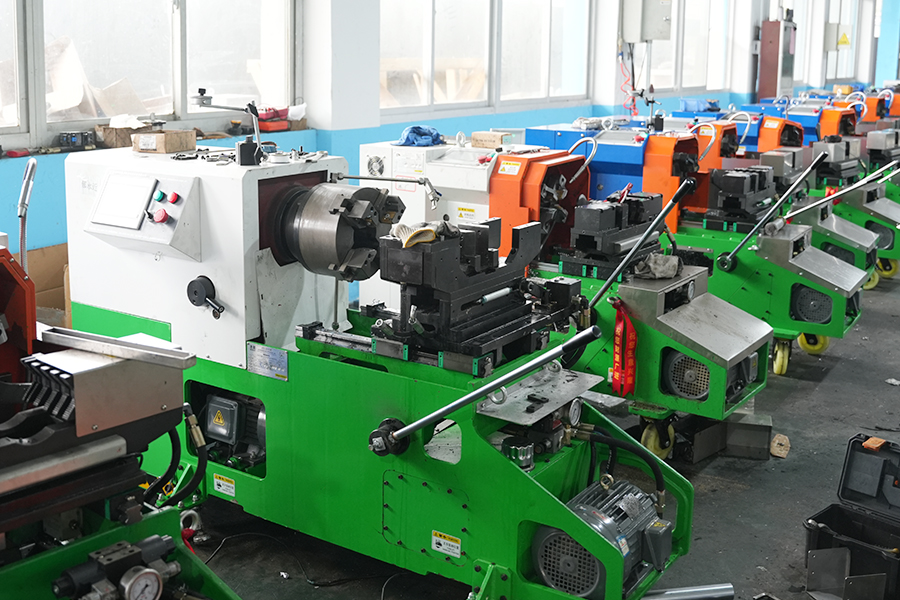
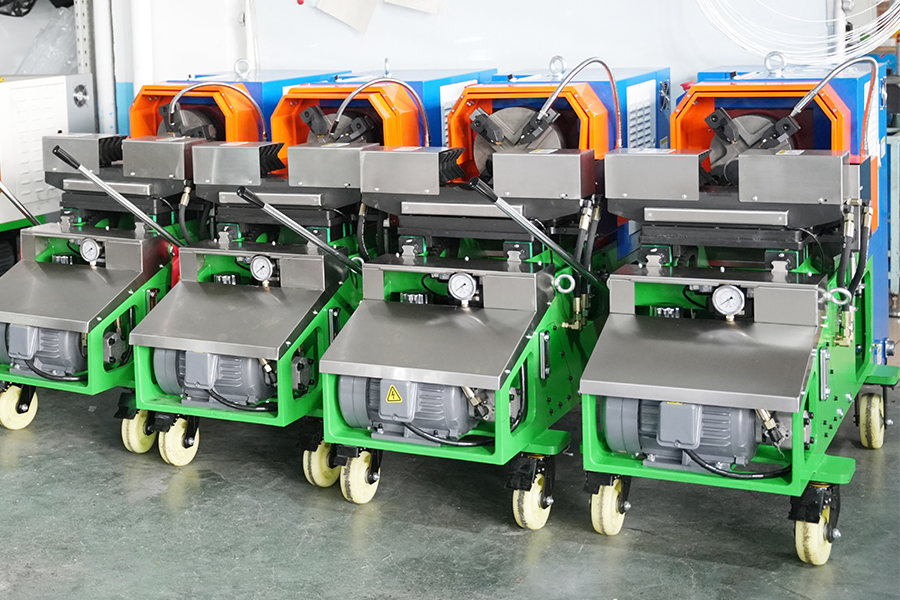
Achieving a leak-proof joint is not simply about tightening until resistance is felt. A properly calibrated Intelligent Pipe Twisting Machine uses a closed-loop current sensing system to monitor motor load in real time. When the target torque is reached, the drive cuts out and triggers an automatic return stroke—this prevents thread galling and ensures every connection meets the specified clamping force.
Why Adjustable Torque Ranges Matter
- Thin-wall stainless steel pipes demand lower torque limits to avoid deformation.
- Heavy schedule steel in fire protection systems requires higher breakaway torque for code compliance.
- Our field data shows that an adjustable range covering 80 N·m to 600 N·m covers over 90% of on-site construction scenarios.
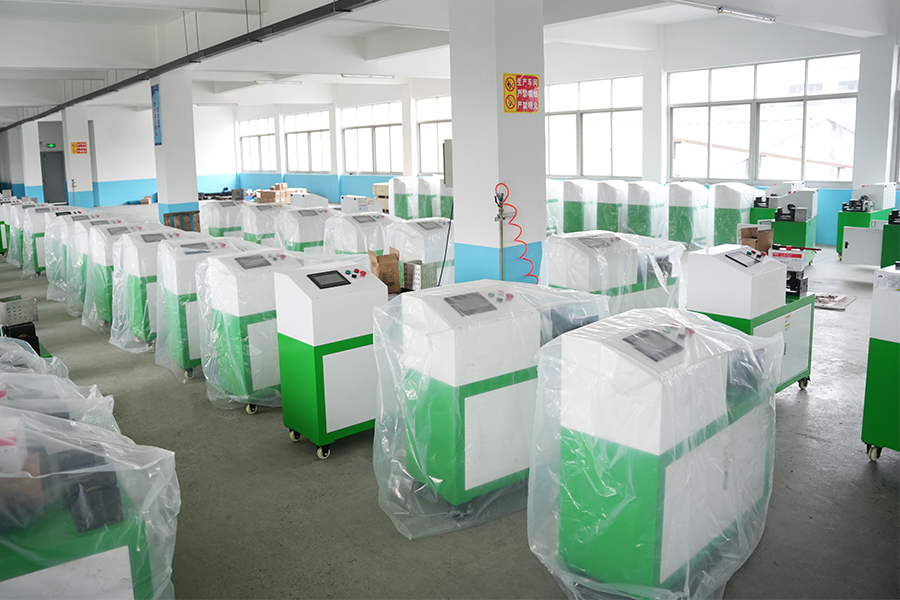
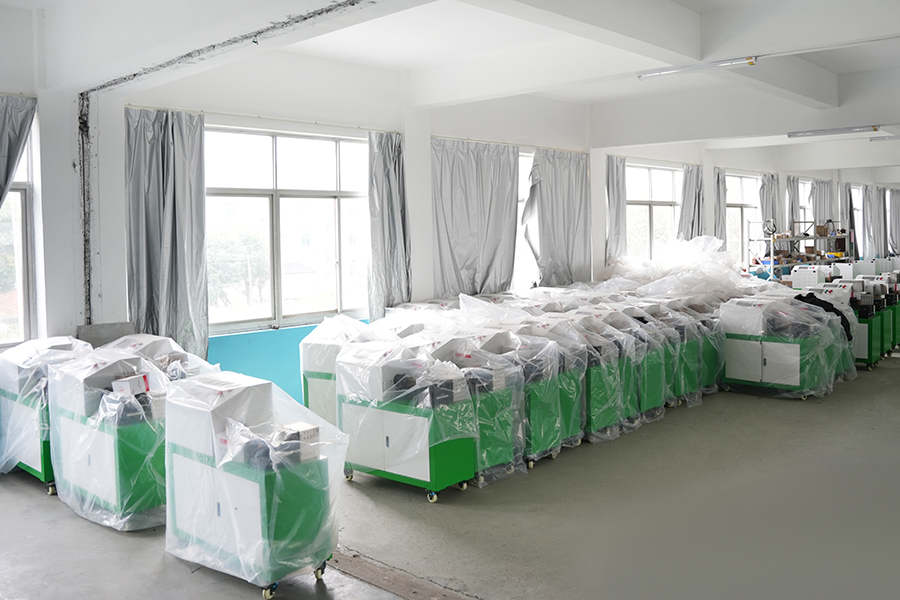
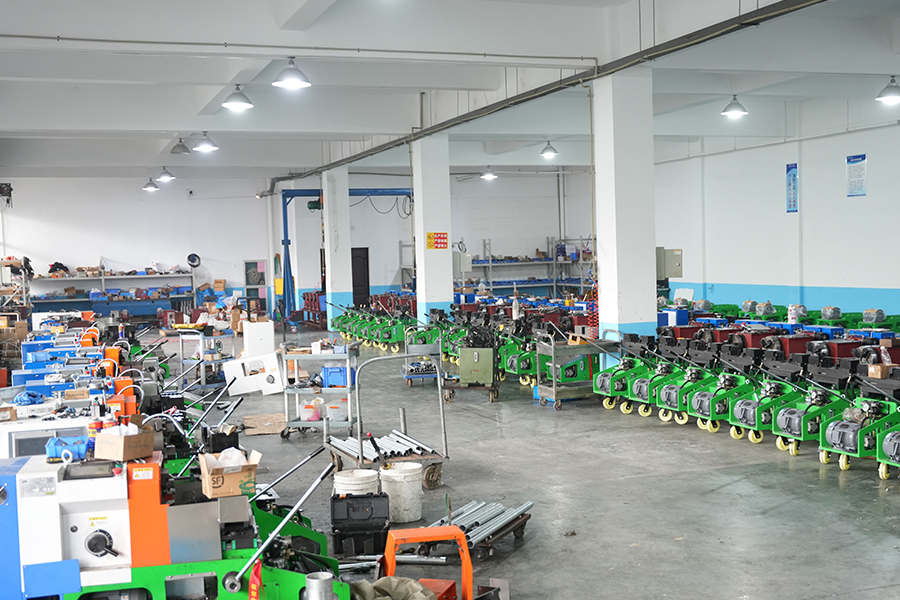
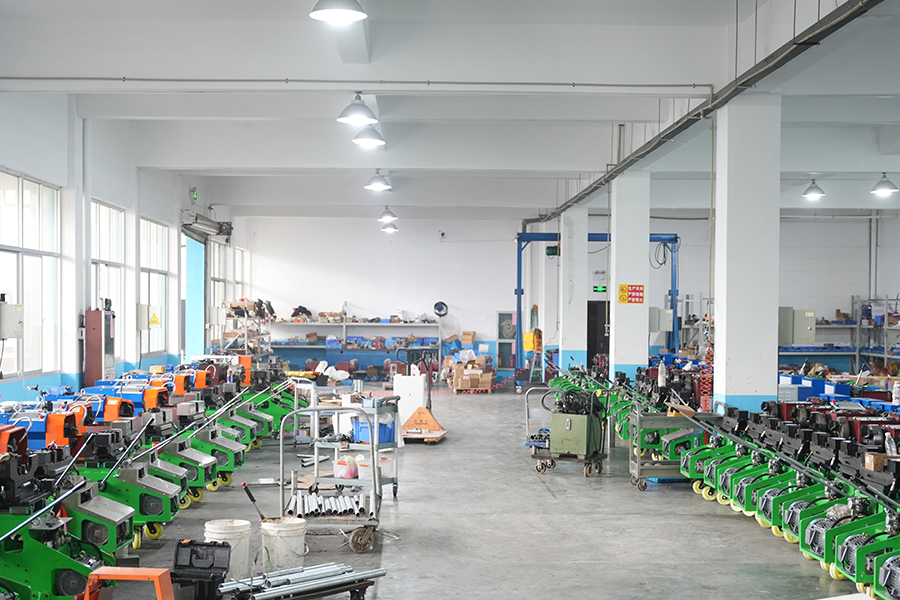
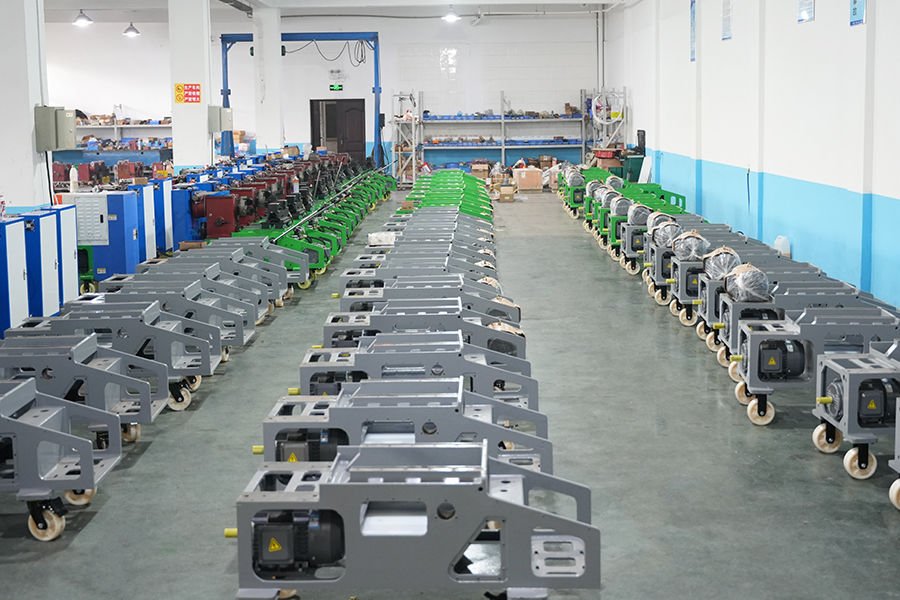
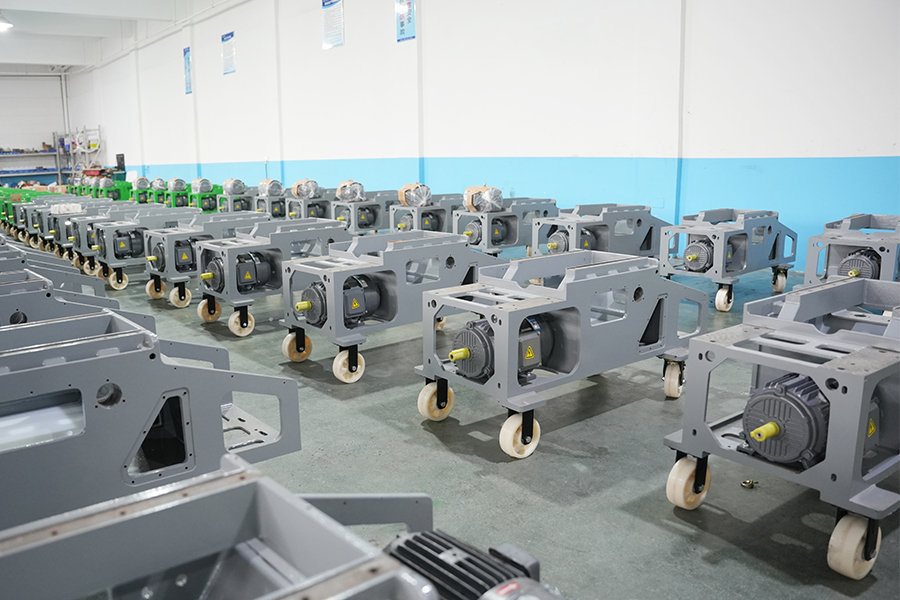
At Hangzhou Xinabo, we embed this logic directly into every Intelligent Pipe Twisting Machine control board. After twelve years of iterative design, the automatic return feature now completes a full reset in under 1.2 seconds, allowing the operator to reposition without losing rhythm.
Electric Screwing: Replacing Pneumatics and Manual Labor
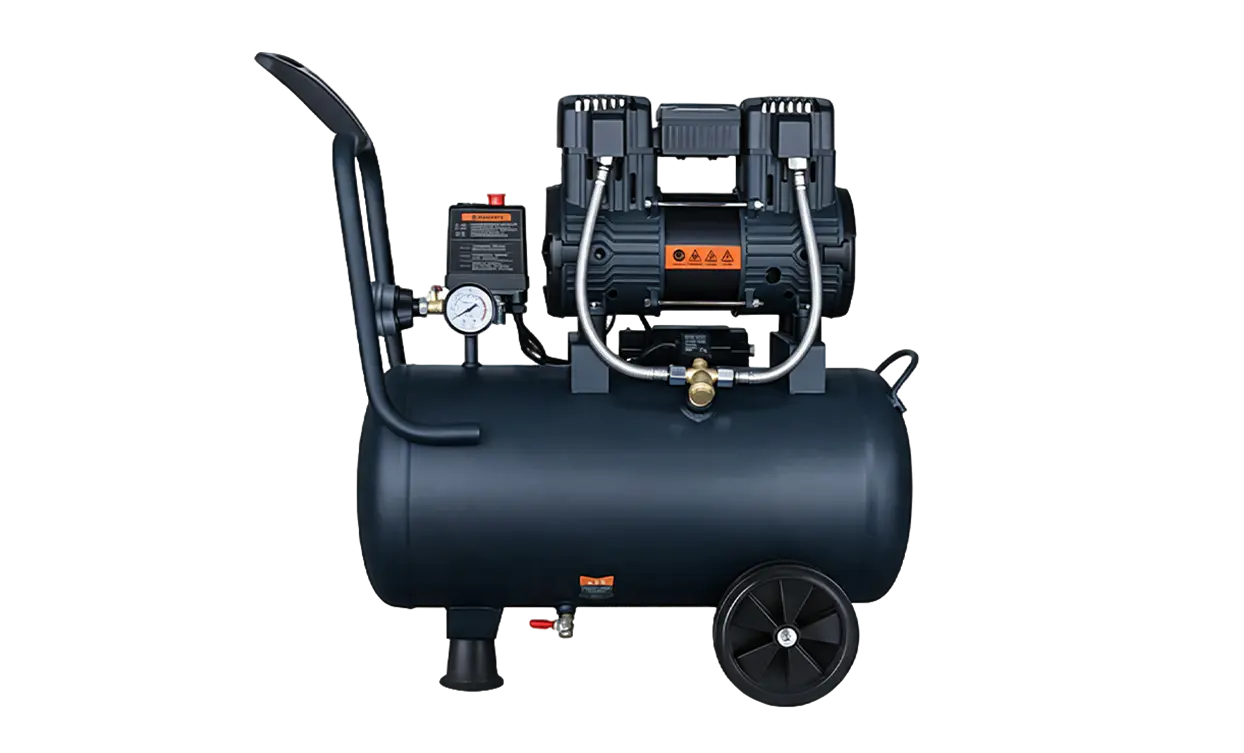
Construction sites are moving away from air compressors and manual chain tongs. Electric screwing with intelligent adjustment eliminates air hose clutter and provides constant torque regardless of air pressure fluctuations. This directly translates to uniform joint quality and a significantly faster make-up cycle.
On-site Performance Comparison: Manual vs. Xinabo Intelligent Pipe Twisting Machine (DN50 Carbon Steel)
| Metric |
Manual Threading & Wrench |
Intelligent Pipe Twisting Machine |
| Average Time per Joint |
45 – 60 seconds |
12 – 18 seconds |
| Workers Required |
2 – 3 |
1 operator |
| Torque Consistency |
Varies by worker |
±3% repeatability |
Xinabo’s focus on electric screwing is a direct result of feedback from fire protection engineering crews. They reported that eliminating the compressor cart freed up valuable staging space and reduced trip hazards. An Intelligent Pipe Twisting Machine equipped with a brushless motor also operates at a lower noise level of 68 dB(A), improving communication on crowded decks.
Safety Through Rational Layout and Ergonomic Design
The layout of a pipe twisting tool directly influences operator fatigue and accident rates. A rational layout places the center of gravity low, keeps the reaction arm close to the workpiece, and ensures emergency stops are accessible from the natural gripping position. On a modern Intelligent Pipe Twisting Machine, controls are arranged so that single-handed operation is possible without wrist deviation.
Built-in Protective Features
- Electronic overload protection cuts power when the motor draws current exceeding 150% of rated, preventing burnouts.
- Automatic return neutralizes residual kinetic energy before the spindle stops, reducing caught-in hazards.
- Double-insulated housing and IP54-rated controls allow outdoor use during light precipitation—a frequent need in construction engineering.
We at Hangzhou Xinabo have validated these safeguards across nine product generations. The current Intelligent Pipe Twisting Machine chassis also integrates a cooling channel design that keeps external surface temperature below 45°C during extended runs, a detail that prevents accidental contact burns.
Data Logging and Quality Documentation in Modern Pipe Fabrication
Moving beyond simple electric screwing, advanced Intelligent Pipe Twisting Machine units now record torque curves and joint counts. This data helps project managers verify that every connection on a fire protection line meets specification, creating an auditable trail without manual paperwork.
Parameters Captured by a Connected Machine
- Peak torque value and time stamp
- Angle-turns for threads engaged
- Operator ID and location tag (via QR scan)
For construction engineering firms aiming for LEED or similar certifications, such traceability is becoming a requirement. Xinabo’s newest Intelligent Pipe Twisting Machine offers USB and Bluetooth export, allowing the data to be merged with BIM models for real-time quality assurance. It is this integration that transforms the device from a tool into a smart asset on the jobsite.

 English
 Español
 عربى
عربى